
In the Shadow of Endless War: Civilians Pay the Price Across the Middle East
By sashacelia, nairobi march 2026
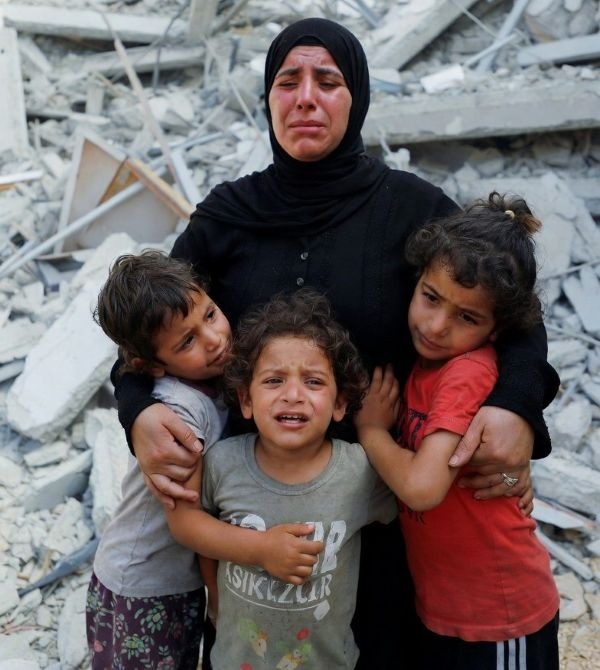
The Middle East is experiencing what aid agencies describe as one of the most complex and severe humanitarian crises of 21st century. These conflicts, ranging from the Gaza and Yemen conflicts to Sudan’s long-running civil wars to international escalations between Iran, Israel as well as the United States, have led to millions of civilians suffering from desperate conditions that could last longer and make a real difference. And yet the crises are all related: they reinforce each other’s state of affairs in regions and by extension in economies globally that are affected for human development to make people of other countries less able to meet the humanitarian needs of people affected there.
GAZA CITY — The low drone of aircraft overhead has become a constant soundtrack in what remains of Gaza’s hospitals. In a partially functioning ward, nurses move with practiced efficiency amid shattered glass and rationed oxygen. A pediatrician, speaking anonymously due to security risks, traces the arm of a malnourished child whose skin clings to bone like thin parchment. “This isn’t just war anymore,” she says. “It’s the slow starvation of an entire generation.”
More than two years into the conflict between Israel and Hamas, Gaza’s humanitarian crisis has reached catastrophic proportions. Over 70,000 Palestinians have been killed, according to Gaza’s Ministry of Health, with more than 10% of the pre-war population killed or injured. Nearly 80% of buildings are damaged or destroyed, and around 90% of residents have been displaced—often multiple times. The healthcare system itself collapsed, after over 800 attacks on facilities, with no hospitals working. For many, acute malnutrition has taken at least 130,000 children under five, double 2024 levels, and the situation of severe food insecurity was finally confirmed in a portion of Gaza City in 2025– potentially the most extreme food insecurity experience globally. While a ceasefire, in late 2025, helped to facilitate access to aid and delayed the beginning of famine, through mid-2026 projections indicate that intensified fighting or blockades could trigger the disease again in the Strip. And nearly the whole population are facing very poor access to food and many in poor, emergency or catastrophic cases. UNRWA has been blocked from accessing it itself since early 2025 and the more serious and widespread regional conflicts, in recent months, have cut off only a few channels to aid assistance, and many entry to access in the Strip is put out of reach again. Family of makeshift shelters around Rafah boil whatever scraps they find. Mothers ration animal feed into starving gruel. Kids look toward rubble for firewood. In a room behind an abandoned shelter, the teacher writes out a folded list of missing kids each night. “We once taught dreams of tomorrow,” she says. “Now survival is the only lesson.”
YEMEN’S LONG, QUIET COLLAPSE
In the rugged highlands near Sana’a, the war between the Houthis and the Saudi-led coalition has dragged on for over a decade, eroding institutions and leaving millions in limbo. Hospitals operate without reliable electricity, and cholera outbreaks recur with the rains. Yemen ranks among the top countries for suspected cholera cases in recent years.
In 2026, over 21 million people—more than half the population—require humanitarian aid, up from previous years due to economic collapse, service disruptions, and funding shortfalls. Acute food insecurity affects more than 18 million, with 5.5 million in emergency or worse conditions. Over 2.2 million children under five are acutely malnourished, including 570,000 with severe cases. Nearly half of Yemen’s children are stunted.
A displaced father of five, speaking from a makeshift camp, describes the daily dilemma: medicine or bread? “Even if fighting stops tomorrow,” he says, “the damage is permanent.” Aid groups warn the crisis will worsen in 2026 as donor fatigue cuts funding, reversing gains against malnutrition and disease.
SUDAN: A WAR WITHIN, ECHOING REGIONAL SHADOWS
Sudan’s civil war between the Sudanese Armed Forces (SAF) and Rapid Support Forces (RSF), now nearing three years, has become the world’s largest displacement and hunger crisis. Over 11 million are displaced internally or as refugees, with millions fleeing to neighboring countries.
Famine conditions are confirmed in areas like Al Fasher (El Fasher), Kadugli, and parts of North Darfur (Um Baru and Kernoi), with risks spreading to more regions in Greater Darfur and Kordofan. Acute malnutrition exceeds famine thresholds in some localities, and 21-25 million face high levels of acute food insecurity. And over 24 million have acute hunger, and millions are at risk of famine globally. On the ground in Darfur ethnic violence has increased with allegations of murders, sexual attack and genocide similar to past genocide. Civilians leave sieges and bombardments and survive at camps. A mother in a camp count days since losing contact with relatives: “We run away from bullets; hunger catches us.” Aid delivery is hazardous; with limited access in conflict areas and funding for the future of the response to that crisis and funding levels relatively low in the next 5 years, the long-range and critical response plan for 2026 already looks poorly funded.
REGIONAL ESCALATION: A WIDER FLAME Tension between Iran and Israel has erupted into direct conflict in 2026 as Israeli attacks are directed at Iranian facilities and leadership, leading to Iranian retaliation around the region. There is a severe cut-off in shipping on the Strait of Hormuz a major export route for Middle East oil, and tankers attacked by terrorists have increased the risk of a more severe economic shock during the economic climate. The spillover affects countries in a wide range of areas and so do civilian populations that suffer casualties in areas such as Lebanon or the Gulf. UN officials warn of rising health-service costs and the possibility for humanitarian services to break down as they get too stretched at this stage.
THE CHILDREN OF WAR
Across these zones, children bear the heaviest scars. Schools are destroyed or repurposed as shelters. Trauma appears in withdrawn silence or sudden outbursts. In Gaza, hypothermia has claimed young lives amid winter conditions and inadequate shelter. In Yemen and Sudan, malnutrition stunts growth and futures.
Aid workers describe a lost generation: “They learn to hide from drones before they learn to read.”
AID UNDER FIRE
Humanitarian operations face delays, crossfire, looting, and funding gaps. Convoys are stalled; warehouses emptied in desperation. Officials emphasize that without ceasefires and political solutions, aid is merely a bandage on deepening wounds.
A REGION EXHAUSTED
From Gaza’s rubble to Yemen’s mountains and Sudan’s plains, the word “fatigue” echoes: not just physical, but existential. A man in Gaza sifts debris for family photos. A Yemeni nurse boils rainwater to sterilize tools. A Sudanese mother tallies lost connections.
These overlapping wars—interconnected by geopolitics, proxies, and escalation—threaten to define the Middle East’s future in suffering. For civilians beneath the drones and diplomacy, peace is not idealism; it is survival itself.





 Sure Media Magazine
Leave a comment