
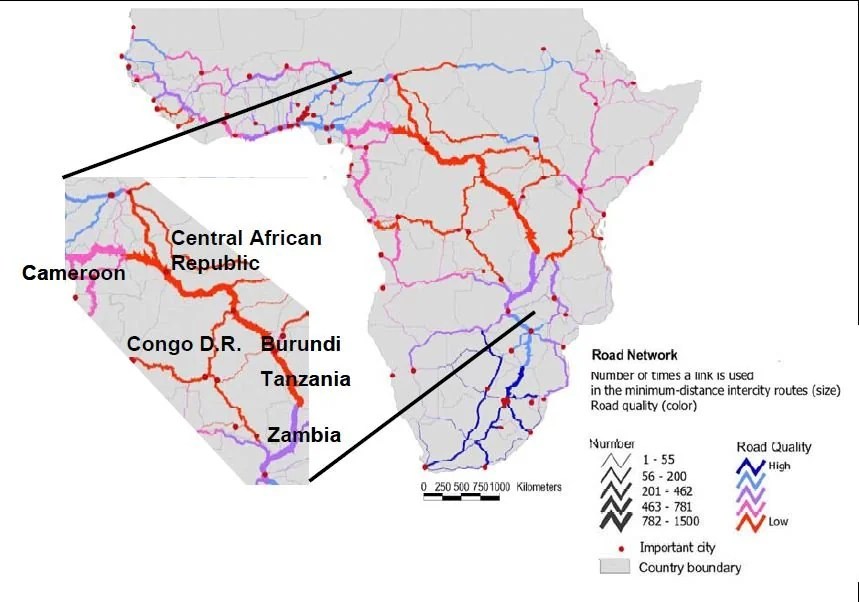
As the world moves ever closer toward more integration, the global transportation network represents the spine of economic vitality, cultural interchange and future development on the roads of this world. But that’s an illogical view from the African point of view— that “system” comprises roads, railways, aviation, maritime connections and inland streams is interlinked as well as risky.
The continent of Africa
The country Africa is one of the most connected, that much as African transportation is connected; it is all linked from Nairobi ports as well as highways and big desert in the Sahara and Congo Basin. That is exactly what we would argue we should remember about our global transportation network into this horizon in 2026, when African Continental Free Trade Area (AfCFTA) is now just coming together. The transportation infrastructure in Africa is rapidly building like a huge multi-modal database: over 1 million kilometers of roads, nearly 100,000 kilometers of rail, thousands of airports and ports and essential inland waterways. That this is part of geospatial mapping is how roads come together and become an extension of railways, airports, and air transport as well to be a lifeline for both movement and trade in the world. But historical legacies from colonialism have also left a fragmented system such that rail gauges fluctuate and corridors prioritise extraction above intra-continental connectivity. And this “patchwork” in Sub-Saharan Africa has made it difficult for the continent to fully participate in the global connected system.
The African highway
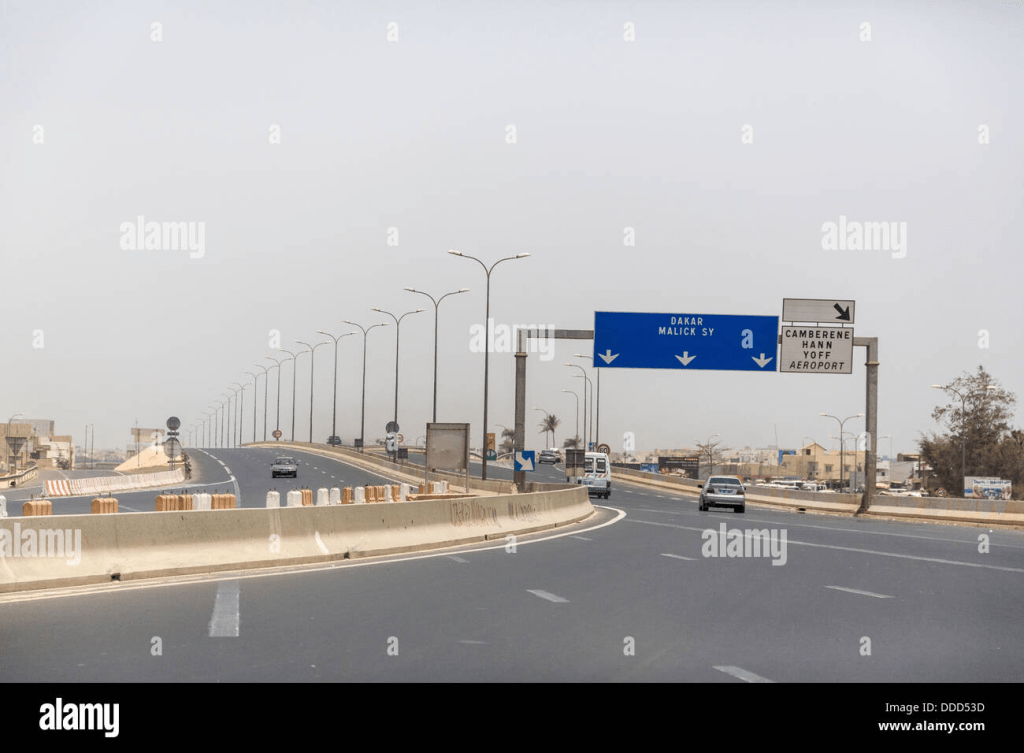
Trans-African Highway Network — an initiative which would connect major African cities by more than 50 km of roads across Africa, including nine major routes that would go over an estimated 56,000 km at a time. This initiative to connect African people, companies and people across the continent based on the United Nations Economic Commission for Africa and the African Union has been established and aims to unlock the possibility of economic advancement by providing the easiest means by which goods and people can travel on a road. But progress is divided. In West Africa corridors like Dakar-Lagos illustrate how integration in the process of improvements along the road lines and trade facilitation can take place, leading to less border delays and economic benefits to all sides. And the Programme for Infrastructure Development in Africa (PIDA) has revealed road corridors that must be connected to facilitate freight volumes that will double during the expansion of international trade starting from 2030 onwards.
Challenges encountered
Yet hurdles remain: poor infrastructure, high transport cost due to inefficiencies and a heavy reliance on roads (handling 80-90% of freight) while rail accounts for a mere 0.3% of the modal split. Moreover, maritime and aviation networks demonstrate Africa’s integrated systems to the global marketplace and flow from Africa to the outside. With 179 ports to connecting the mainland to the international arena, Africa’s coastal hubs are fundamental nodes for product supply chains — but have congestion and limited access to land. https://africaports.co.za/wp-content/uploads/2017/02/Dar-es-Salaam-700.jpg
The European Union’s Global Gateway initiative proposes eleven strategic corridors by which Africa would link to Europe, ensuring development of sustainable infrastructure so that there would be a link network between goods and business and job availability. Linkedin. I. Challenges of developing economies of African nations for the Junior Minors and the way ahead of the new players’ time making African nations attractive to investment opportunities for large investors in the new African states (see section 3. Railways, frequently a colonial relic, offer leapfrogging opportunities through electrification and standardization.
Emergence of railway network
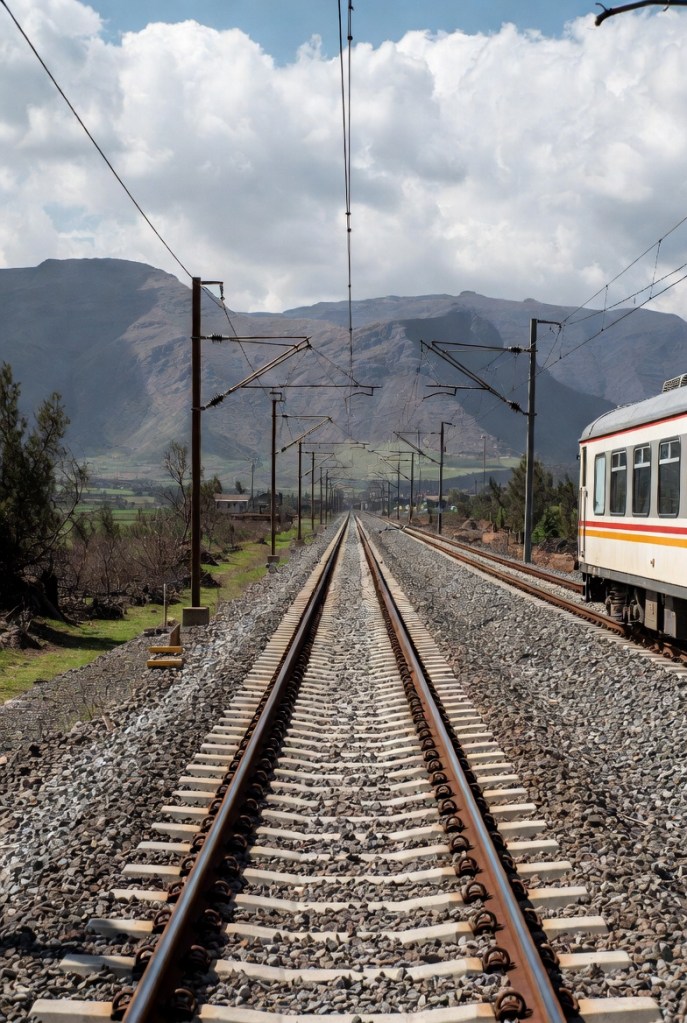
By 2050, the African Integrated High-Speed Railway Network aims to create an electrified network that moves trade far in the face of environmental degradation, and to ensure climate resilience in an era of rising freight demands. East Africa-based projects like the Standard Gauge Railway help transport ports to inland destinations, on which a variety of gauge and poor maintenance threatens. Urban mobility adds another layer, especially in cities like Johannesburg where multi-modal augmentation embedding formal and informal transport makes transportation more accessible.
data infrastructure
Data transparency for themesive opportunities of NGOs in the community like Digital Transport for Africa (DT4A) to build a world of inclusive paratransit services for non-ransit users and build healthier urban connections. It is Africa in changing supply chain that has opened up opportunity for electrification and hydrogen technologies for transportation, so as to become the continent on this aspect of green supply chain; but as a place that must overcome the challenges. Practitioners will have access to knowledge sharing in smart systems and in solar-based systems will allow this by creating awareness and also create better alternatives that are cheaper and easy to implement.
conclusion
The path ahead should not only take aggressive policies but also robust investing in infrastructure, harmonization and the partnership framework such as Africa-EU Task Force on Transport Connectivity. With transportation as a shared entity, African government needs to not only bridge the internal divide; it needs to make peace in Africa as well; this is where people must be willing to take action when it matters in a world that connects and where connectivity is a key indicator of success. As Kenyans and indeed as Africans we should make investments for the future and in relation to which sustainability and equity of Kenya need to be built.
Sashacelia
Nairobi, 1 March 2026





 Sure Media Magazine

Leave a comment