
The Silence in Music
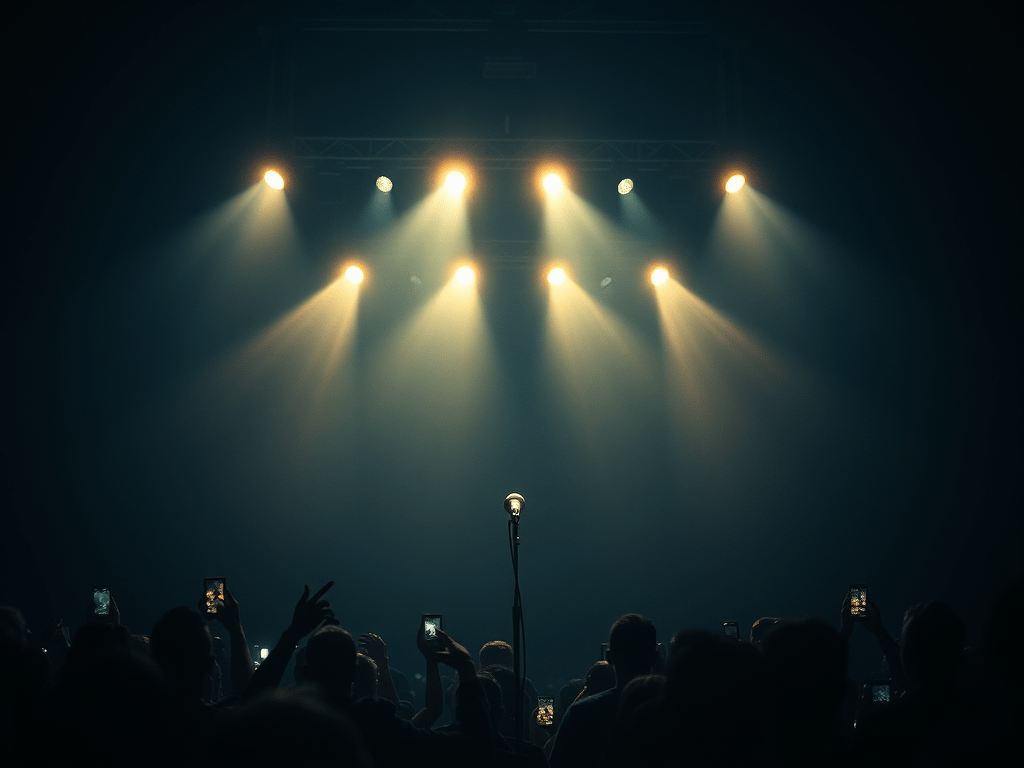
At a packed concert in Nairobi last year, the crowd was electric. The bass thumped. Phones glowed in the dark. Then — just before the chorus — the music stopped.
For a split second, there was nothing.
No drums.
No vocals.
No beat.
And then the drop hit.
The stadium erupted.
That brief silence — less than a heartbeat long — carried more power than the loudest speaker in the arena. It’s a moment we’ve all experienced, whether in a live concert, church service, jazz bar, or while alone with headphones on. And yet we rarely talk about it.
Silence is music’s secret weapon.
In an era defined by constant noise — streaming platforms, TikTok clips, autoplay algorithms, traffic, notifications — silence in music feels almost rebellious. But it may be the very thing that keeps music meaningful.
Why Silence Feels So Good
Modern neuroscience suggests that our brains are wired to anticipate patterns. When music suddenly pauses, the brain doesn’t relax — it sharpens. It predicts what comes next. That anticipation triggers emotional and even physical responses.
Think about the split-second before a beat drops in a song by Burna Boy or Kendrick Lamar. Producers intentionally strip back the sound — sometimes to near silence — before unleashing the chorus or bassline.
That tiny gap creates tension.
And tension creates release.
Without silence, there is no drop.
This isn’t accidental. In the streaming era, producers understand that attention is fragile. Songs are shorter. Hooks arrive earlier. But silence is still used strategically to hold listeners in suspense — to prevent scrolling, to create replay value, to spark that visceral “wait for it…” moment.
Ironically, in a fast-paced digital culture, silence has become one of music’s sharpest tools.
The Day Silence Became the Performance
In 1952, American composer John Cage premiered a piece called 4′33″. The performer sat at a piano for four minutes and thirty-three seconds and did not play a single note.
The audience shifted uncomfortably. Some coughed. Some whispered. Some laughed.
Cage’s point? Silence doesn’t exist.
What we call silence is simply sound we weren’t paying attention to before — breathing, chairs creaking, distant traffic. He reframed listening itself.
Today, that idea feels surprisingly modern. In a world where curated playlists follow us everywhere — in cafés, gyms, matatus, offices — true silence has become rare. Cage’s work now feels less like a provocation and more like a reminder: listening requires space.
When Silence Holds Grief
In 2020, during the height of the pandemic, many artists performed stripped-down virtual concerts from empty halls. One viral moment featured a singer finishing a song about loss — and then standing in silence for nearly ten seconds before lowering the microphone.
There was no applause. No crowd noise. Just stillness.
Viewers later described that silence as the most emotional part of the performance.
Why?
Because silence holds grief differently than sound does. It gives space for feelings to surface without instruction. No melody to guide you. No lyrics to interpret. Just room to feel.
You see this in memorial services, too. A moment of silence can communicate more than a speech.
Silence allows emotion to breathe.
Jazz Musicians Have Known This for Decades
Miles Davis once suggested that music lives in the space between notes. In jazz, silence isn’t awkward — it’s cool.
Visit a small jazz club anywhere in the world — from New York to Nairobi — and watch what happens during a solo. A saxophonist plays a phrase, then stops. The piano waits. The drummer lightly taps. The pause isn’t empty; it’s charged.
That pause invites conversation between instruments.
If everyone played constantly, jazz would sound chaotic. Instead, the restraint creates groove. The silence makes each note intentional.
Silence creates swing.
The Streaming Era and the Fear of Quiet
Here’s the paradox: while musicians understand the power of silence, society increasingly avoids it.
Streaming platforms autoplay the next track before the last one fully fades. Social media fills every spare moment. Even walking alone often means headphones in.
We are rarely alone with quiet.
Perhaps this is why silence inside music feels so intimate now. When a song pauses, it feels personal — like the artist has stepped back and handed you the moment.
In worship settings, silence after a hymn can feel sacred. In protest songs, a sudden stop can feel defiant. In pop music, a quiet bridge can make a chorus soar.
Silence isn’t absence — it’s emphasis.
The Power of the “Fake Ending”
If you’ve ever attended a live concert where the band suddenly stops playing and the audience begins clapping — only for the music to resume — you’ve experienced one of the oldest tricks in composition.
Classical composer Joseph Haydn famously used this technique, tricking audiences into applauding early. Modern bands still do it.
Why does it work?
Because silence creates expectation. It forces the audience to react.
In those few seconds of quiet, the listener becomes part of the performance.
Silence as Protest and Statement
Silence in music can also be political.
Moments of silence have been used during concerts to honor victims of violence or injustice. Entire performances have paused in solidarity.
When thousands of people stand in silence together, the effect is profound. It is collective attention without distraction.
In that sense, silence becomes louder than chanting.
It says: we are listening. We are remembering. We are refusing to move on too quickly.
What Silence Teaches Us Beyond Music
There’s something deeply human about musical silence. It mirrors conversation. In meaningful dialogue, pauses signal thoughtfulness. In storytelling, pauses build suspense.
Music simply magnifies this truth.
Not everything powerful needs to be loud.
Silence teaches timing. It teaches restraint. It teaches that space gives shape to what fills it.
And perhaps that lesson feels especially relevant today — in a world addicted to volume, speed, and constant output.
Try This the Next Time You Listen
The next time your favorite song plays, pay attention not just to the melody, but to the spaces.
Notice the breath before a singer begins a verse.
Notice the tiny gap before a drum hits.
Notice the stillness after the final chord fades.
That’s not emptiness.
That’s architecture.
That’s intention.
That’s the moment your brain leans forward and your heart catches up.
The Loudest Thing You’ll Never Hear
Music is often described as sound organized in time. But perhaps it’s more accurate to say:
Music is sound shaped by silence.
Without silence, songs would blur into noise. Without pauses, emotion would flatten. Without breath, melody would suffocate.
Silence gives sound value.
It gives rhythm meaning.
It gives listeners space.
In a world that rarely stops talking, music still understands the power of stopping.
And maybe that’s why, sometimes, the most unforgettable part of a song…
is the moment when it almost disappears.





 Sure Media Magazine
Leave a comment