
Kenya 2026: a year-round safari and beach destination featuring the Great Wildebeest . Migration, Nairobi’s skyline-adjacent parks, and unforgettable encounters with the Big Five.
Kenya isn’t just a destination; it’s a year-round invitation to contrast and wonder.
lush forests, stark deserts, sun-bright beaches, and Africa’s most iconic wildlife all in one journey.
From the wide savannahs of the Maasai Mara to the turquoise shores of the Indian Ocean, a single journey can feel like multiple adventures—and every mile reveals something unforgettable.
Add to this the world-famous Great Wildebeest Migration, one of nature’s most remarkable spectacles, and it’s easy to see why Kenya continues to stand out as a top vacation destination. The chance to witness the iconic Big Five in their natural habitat only deepens the appeal.
Perhaps most surprising of all is Nairobi National Park—an untamed wildlife sanctuary set against the skyline of Kenya’s capital city—making Kenya one of the rare places in the world where nature and urban life exist side by side.
Best Time to Visit Kenya
Kenya enjoys favorable weather throughout the year, making it a great destination in any season.
However, the best time to visit Kenya is during the dry months, when wildlife viewing is at its peak. The period from June to October is especially popular and is widely known as the season of the Great Wildebeest Migration.
Another excellent time to travel is December to March, when rainfall is low and vegetation is sparse.
During this period, animals are easier to spot as they gather around water sources, offering rewarding safari experiences for visitors.
The Great Wildebeest Migration in Kenya
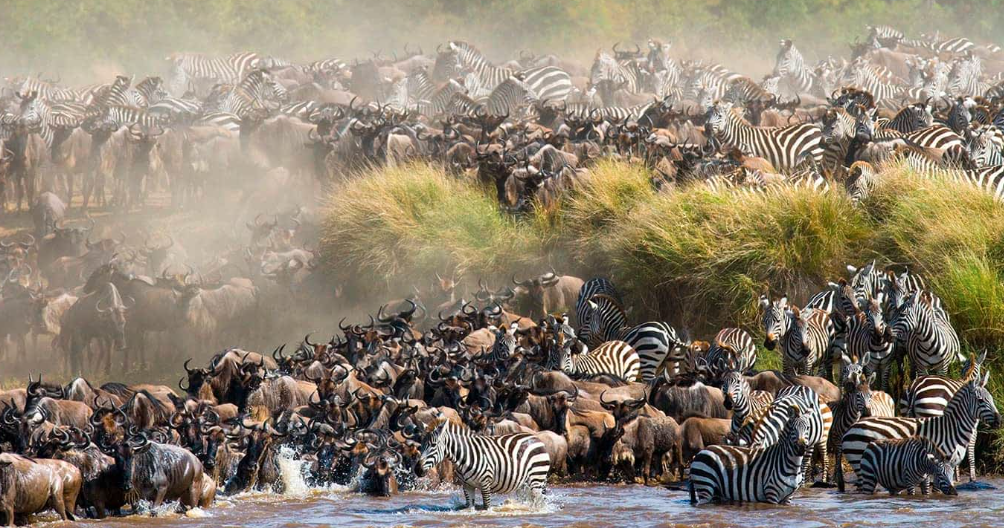
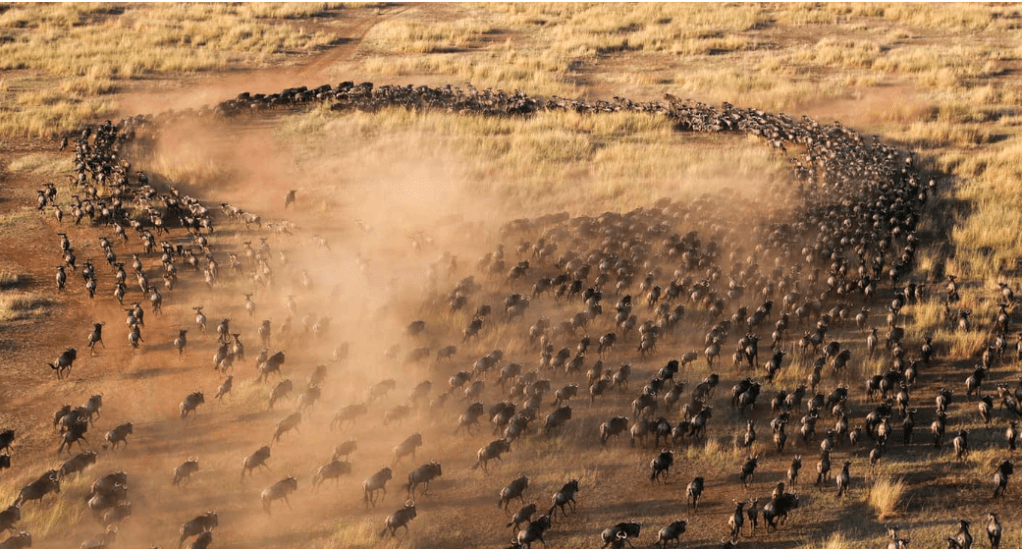
The Great Wildebeest Migration is one of the most magical wildlife events in the world and a must-see experience for any safari traveler. Each year, over two million wildebeest, along with zebras, gazelles, topis, and other herbivores, take part in this extraordinary journey.
The migration covers an estimated 800 kilometers, as the herds move from the Serengeti in Tanzania into Kenya’s Maasai Mara in search of fresh grazing land and favorable climate conditions.
One of the most dramatic moments occurs when the animals cross the Mara and Talek Rivers.
These river crossings are dangerous, with strong currents and crocodiles waiting below, creating a thrilling and unforgettable wildlife spectacle—especially as the younger animals struggle through the waters.
This natural event takes place every year and usually reaches its peak between mid-July and August. The herds often remain in the Maasai Mara until late October, when they slowly begin to disperse, making earlier months the most exciting time to witness the migration
A must-watch safari experience for 2026.
Mount Kenya National Park
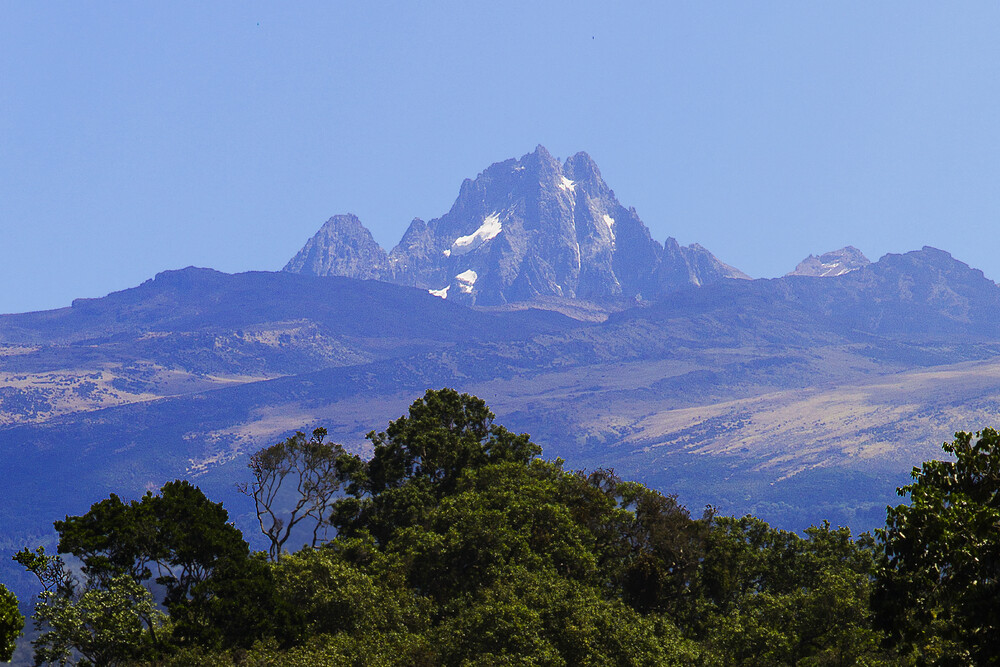
Thinking of climbing or hiking Africa’s second-highest mountain? Mount Kenya National Park offers a compelling reason to add this iconic destination to your 2026 travel resolutions. Visitors can attempt the highest peaks—Batian and Nelion—though these climbs are strictly for trained mountaineers and require technical expertise and professional support.
For those seeking a less risky experience, Point Lenana is the most climbed peak on Mount Kenya, well known for its relatively friendly routes and rewarding summit views.
Although Mount Kenya is less climbed than Mount Kilimanjaro in Tanzania, Africa’s highest mountain, it delivers a quieter, more immersive experience. Treks here take you through a striking range of ecosystems, including bamboo forests, dense rainforests, open moorlands, rocky terrain, and icy alpine zones as you gain elevation.
Even without summiting the main peaks, Mount Kenya offers plenty to enjoy. Activities include cave exploration, panoramic viewpoints, trout fishing, and high-altitude camping, making the park appealing to both climbers and nature-focused travelers.
Recognized as one of the most impressive landscapes in Eastern Africa, Mount Kenya National Park stands out for its dramatic scenery and ecological diversity.
The best time to visit Mount Kenya is January to February and August to September, when the weather is drier and clearer, ideal for hiking and other mountain activities.
Amboseli National Park
Known as one of the top tour destinations in Africa, Amboseli National Park is truly one of a kind. With its mesmerizing landscapes and abundant wildlife, Amboseli offers far more than a typical safari experience.
Here, visitors can watch large herds of elephants up close, and thanks to its geographical location bordering Kenya and Tanzania, the park offers a rare opportunity to enjoy the magnificent scenery of the snow-capped Mount Kilimanjaro, Africa’s highest mountain, located in Tanzania.
Amboseli’s big skies and far horizons make the scenery especially magical. Visitors also have the chance to spot the Big Four—lion, leopard, buffalo, and elephant. Although rhinos are rare in Amboseli, this is more than compensated by encountering herds of up to 50 elephants roaming freely in a single safari, a dream experience for wildlife photographers and safari enthusiasts.
Beyond wildlife, Amboseli offers rich cultural encounters with the Maasai community. Visitors can learn about their traditional way of life, from food preparation and the use of herbs for medical and practical purposes, to observing and purchasing handcrafted art made from natural materials such as wood, shells, bones, leaves, and seeds. Many of these ornaments and tools are now making a strong impact in the global fashion industry.
Their dressing culture is equally captivating, with the iconic shukas (vikoi) worn by both men and women. The Maasai culture is deeply authentic, with so much history and meaning behind every tradition, offering visitors a truly enriching experience.
Lake Nakuru National Park: Kenya’s Flamingo and Rhino Safari Near Nairobi
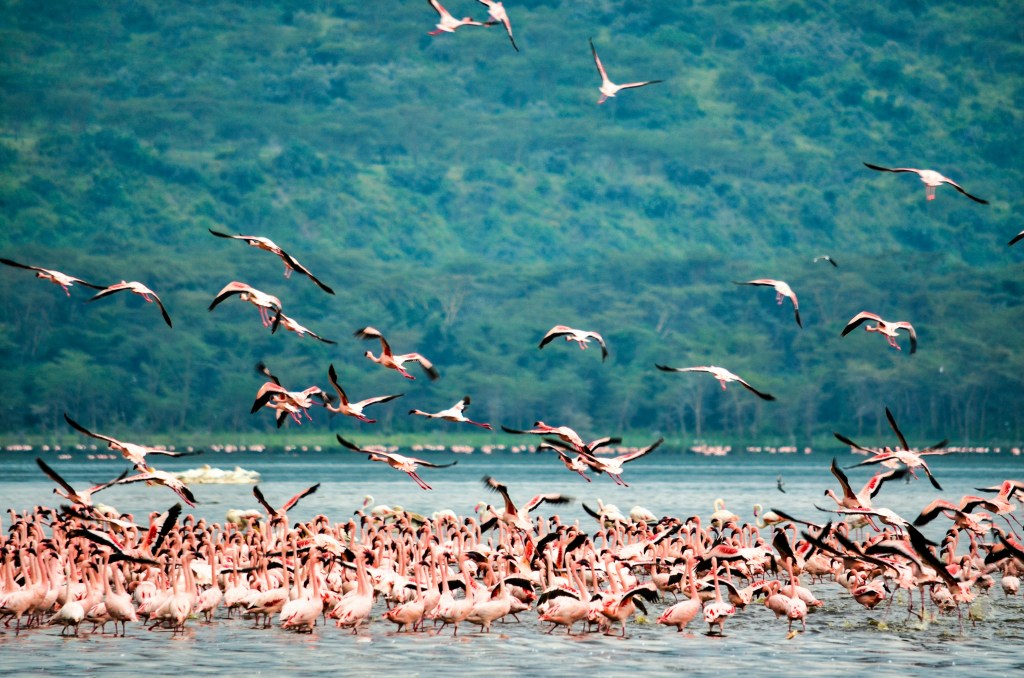
Situated in the Great Rift Valley, Lake Nakuru National Park and its iconic alkaline lake are a rare gem to behold. The lake is famously known for hosting thousands of flamingos and over 450 bird species, making it one of the best bird-watching destinations in Kenya. Beyond the lake, the park is a renowned sanctuary for both black and white rhinos.
Just a 1.5 to 2-hour drive from Nairobi, Lake Nakuru National Park is ideal for a day trip or short safari. Visitors can plan their visit to witness the breathtaking sight of pink flamingos stretching across the lake, creating unforgettable moments for photographers and nature lovers alike.
One of the park’s major highlights is the rare opportunity to encounter both black and white rhinos at close range. In addition to rhinos, the park is home to lions, leopards, buffalos, giraffes, and various antelope species, offering rich wildlife viewing experiences.
The park’s landscape is equally impressive, ranging from the shimmering alkaline lake to lush forests and open grasslands—perfect for game drives, wildlife viewing, and scenic photography.
Lake Nakuru National Park is truly an all-round safari destination, allowing visitors to plan their trips based on preferred activities and seasons.
The dry season (June to October) is ideal for wildlife viewing, as lower rainfall and reduced vegetation draw animals closer to water sources, making sightings easier.
For bird lovers and plant enthusiasts, March to May is the best time to visit. During this period, the park comes alive with lush greenery and vibrant birdlife, creating a natural paradise rich in color and sound.
From December to February, the weather is excellent, though visitor numbers are higher. This season offers a beautiful balance of wildlife and vegetation, making it especially rewarding for photographers and safari enthusiasts.
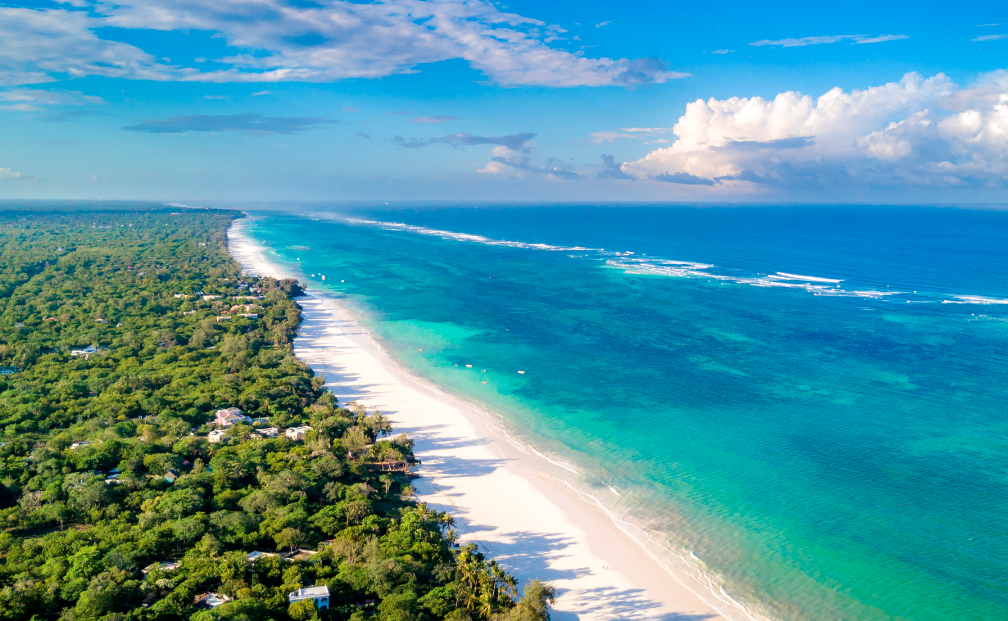
Diani Beach
Voted as one of the best beaches in the world, Diani Beach is truly one of a kind. Known for its pristine beaches and warm Indian Ocean waters, Diani offers miles of soft white sand, crystal-clear turquoise waters, swaying palm trees, and a refreshing ocean breeze.
Some of the natural wonders you can experience here include vibrant coral reefs, many of which are home to dolphins, sea turtles, and unique species of colorful tropical fish.
Visitors may also be lucky enough to spot whale sharks offshore, although this spectacular sighting is seasonal.
Beyond its marine life, Diani Beach offers a wide range of activities such as deep-sea surfing, kite surfing, sand-dune safaris, and Kongo River canoeing. These experiences provide opportunities to tour local villages and interact with the Swahili community, learning about their rich culture.
Swahili culture in Diani is deeply rooted in the use of aromatic spices for cooking, traditional medicine, and even love concoctions.
Visitors can also explore mangrove forests aboard ancient dhow sails, or simply mingle with locals who often enjoy teaching visitors basic Swahili phrases such as “habari yako” for greeting and “karibu” for welcome.
Nairobi National Park
The only national park located within a capital city in the world is Nairobi National Park. It is just a 20–30 minute drive from the main airport, Jomo Kenyatta International Airport, Wilson Airport, or the city centre.
Despite its close proximity to the bustling city life, Nairobi National Park does not lose its wilderness effect. The only noticeable difference is watching wildlife set against a backdrop of skyscrapers, with animals accustomed to loud noises from busy highways and planes flying overhead from nearby Wilson Airport.
This unique setting does not reduce the magic of the park, as visitors can spot four of the Big Five, with elephants being the only species missing. For rhino lovers, the park offers sightings of both black and white rhinos.
Although it is one of the smallest national parks in Africa, covering approximately 117 square kilometres, Nairobi National Park boasts remarkable biodiversity, with over 100 mammal species, more than 500 bird species, and hundreds of plant species.
Other wildlife commonly encountered on safari includes lions roaming freely, buffaloes, hyenas, jackals, warthogs, gazelles, zebras, impalas, leopards, and cheetahs, though the latter are elusive. Hippos and crocodiles can also be spotted in nearby rivers and dams, usually with the assistance of a guide.
For bird lovers and researchers, Nairobi National Park is exceptional. The park hosts over 500 bird species, including Palearctic migrants, ostriches, secretary birds, martial eagles, pallid harriers, lesser kestrels, and a wide range of migratory birds.
Reptile enthusiasts are also well catered for, as the park records some of Africa’s most venomous snakes, including cobras, pythons, green and black mambas. Monitor lizards, skinks, and agamas are also present. This diversity is due to the park’s mixed ecosystem, ranging from open grasslands and riverine habitats to rocky outcrops, supported by varied climatic vegetation.
Visitors can also participate in conservation and animal welfare activities, such as volunteering at the David Sheldrick Wildlife Trust, which cares for orphaned and injured young rhinos and elephants, or by adopting and supporting animal feeding programs.
Another uplifting experience is visiting the Nairobi Animal Orphanage, located within the park, which shelters abandoned, injured, and orphaned animals.
All these elements make Nairobi National Park a truly unique safari destination, where rich wildlife and conservation thrive alongside a modern capital city.
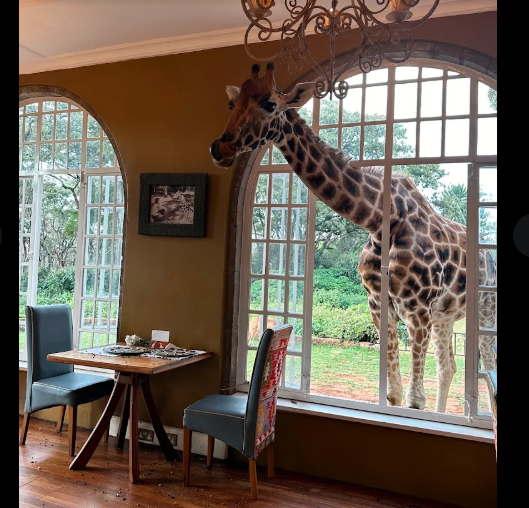
Nairobi Giraffe Manor
Another reason to visit Kenya in 2026 is to book a breakfast date with the Giraffes !
This is very real and happens at the famous Nairobi Giraffe Manor. Here, they prepare your breakfast and also include delicacies for your herbivorous dates, who never disappoint.
The Giraffe Manor was started in the early 1900s with the main aim of conserving and introducing the endangered Rothschild giraffe.
Although some people may argue that the rates are high even for a single night, the good thing is that part of the money goes toward charitable causes, funding wildlife conservation groups that help protect endangered species.
Conclusion
Kenya is more than a destination—it is a journey through landscapes, wildlife, culture, and adventure unlike anywhere else on Earth.
Whether you’re tracking the Great Migration across the Maasai Mara, standing beneath the peaks of Mount Kenya, watching elephants roam under Kilimanjaro in Amboseli, or unwinding on the white sands of Diani Beach, every moment tells a story worth experiencing.
2026 is your year to answer the call of the wild. Plan the journey. Book the adventure. Discover Kenya.





 Sure Media Magazine
Leave a comment