
Dehydration affects focus, memory, and mood in children aged 5–12—often without parents noticing. Here’s what science says about the hidden costs of skipping water and how much children in this age group actually need.
By James Njau
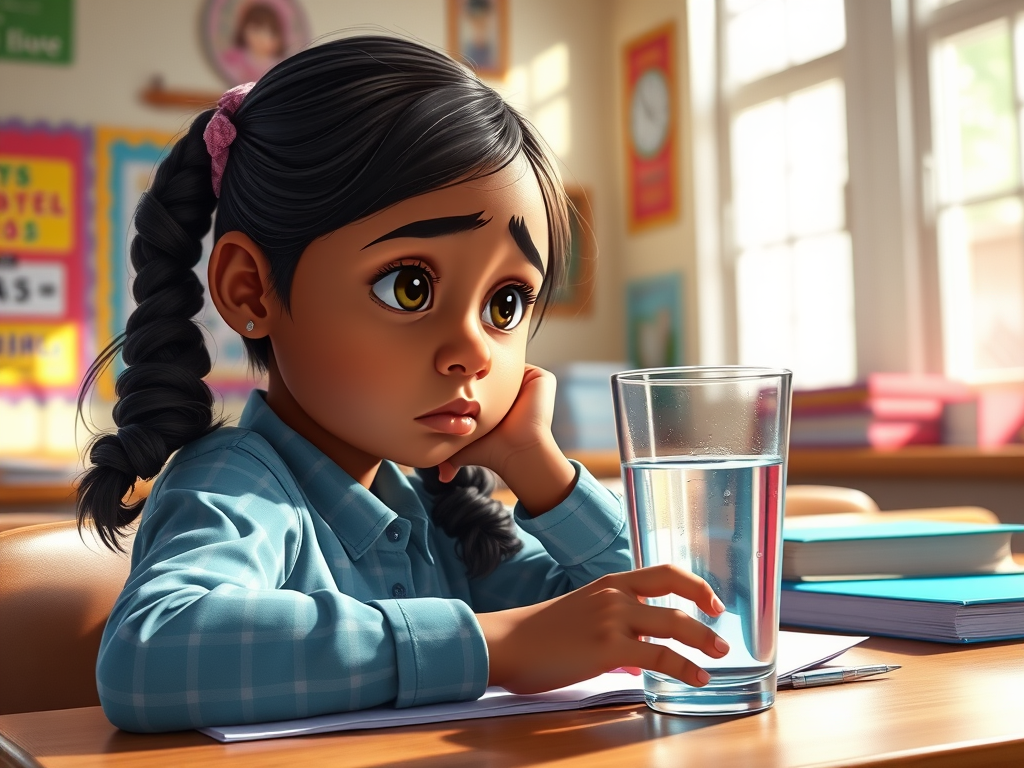
At 10 am, Amina, a nine-year-old, is at her desk and cannot concentrate on a mathematical problem she was able to solve yesterday with no difficulty. Her teacher asks if she’s okay. She nods, yet the reality is even less complex than anyone understands: she has not taken water since breakfast, five hours ago. Millions of school-age children in Kenya and the rest of the world are habitually dehydrated, with their parents unaware of it, and the consequences are far more than a thirsty stomach.
Water is not simply the satisfaction of thirst. In children aged 5 to 12, appropriate hydration has a direct impact on cognitive abilities, mood, physical vitality, and health in the long run. This age group is vital because children are at their most active stage of learning; they are establishing their academic foundations, building social connections, and their bodies are growing rapidly. Studies indicate that moderate dehydration, which means the loss of 1-2 percent of body water, can affect attention, memory, and classroom behavior. It is based on five scientifically supported facts about why children at this age should drink more water daily.
Reason 1: Water Improves Memory and Concentration
A comprehensive study published in ScienceDirect found that cognitive performance (especially memory-related tasks) was significantly related to hydration status during the school day. The researchers observed the children from morning to afternoon and found that 17 percent were dehydrated in the morning, but the figure had increased to 40 percent at the end of the school day. The more individuals became dehydrated, the more boredom, fatigue, and poor concentration occurred. Long-term memory and working memory exhibited significant and measurable impairment in cases of children being dehydrated. This is so important for a child in a classroom who is struggling to memorize multiplication tables or follow multi-step directions. If the brain does not have sufficient water, it cannot process and store information effectively, which directly translates into poor academic performance.
Reason 2: Even Slight Dehydration Impairs Learning
A clinical review published on PubMed notes that dehydration of as little as 2 percent reduces performance on tasks that demand attention, psychomotor skills, and short-term memory. This is essential, since children aged 5 to 12 are among the groups at most significant risk of dehydration, as their bodies are smaller, their metabolic rates are higher, and they need access to water regularly and rely on adults. In another study, the American Society of Nutrition concluded that children aged 9 to 12 who took water before the cognitive test performed 34% better on working memory than their less water-consuming counterparts. The researchers concluded that the idea of motivating children to drink approximately 250 ml of water, which is less than 1 full glass of water, around 20-60 minutes before demanding academic tasks, can significantly enhance performance in children.
Reason 3: Water Regulates Mood and Reduces Irritability
Dehydration does not simply influence thought; it influences emotion. The works used by Children’s National Hospital indicate that children who experience insufficient hydration report increased irritability, anxiety, and mood swings, all of which affect how they interact with others and the overall joy they experience at school and at home. Having a hydrated brain also helps regulate neurotransmitters and hormones, resulting in improved emotional stability. When parents complain of mood changes, they often attribute them to lack of sleep, hunger, or stress, when in most cases the cause is merely insufficient water intake during the day. Adequate hydration keeps children calm, cooperative, and emotionally stable, which are equally relevant to school performance as academic abilities.
Reason 4: Proper Hydration Supports Physical Energy and Prevents Fatigue
Young children between the ages of 5 and 12 are inherently active, and thirst soon depletes that energy. A lack of adequate water slows blood flow, lessening the supply of oxygen to the brain and muscles. This can cause fatigue, dizziness, headaches, and muscle cramps, among other symptoms, that could leave children unable to remain active and engaged during physical education, recess, or after-school sports. This is especially true in hot climates, such as Kenya, where children are likely to lose a lot of body water through sweating during outdoor play. According to Johns Hopkins Medicine, children should consume their age in 8-ounce portions of water until they reach age 8, and then drink 8 glasses of water per day after that, with more fluid consumption during physical activity or when it is hot.
Reason 5: Hydration Prevents Long-Term Health Problems
Children who become chronically dehydrated may be contributing to severe health problems in the future, including kidney stones, urinary tract infections, and even kidney disease, according to Children’s National Hospital. Educating children about the importance of hydration at a young age instills good habits that protect them throughout their lives. Water is also found to assist with healthy digestion, prevent constipation, support healthy skin, and help regulate body temperature. By drinking enough water during the day, children are establishing a wellness foundation that will not only keep them alive until school finishes but also leave them healthy in every aspect of health and well-being.
The Bottom Line
One of the easiest and most efficient resources parents can use to facilitate their children’s academic achievement and emotional and physical well-being is water. However, the majority of children between the ages of 5 and 12 years fail to drink enough. In general, children ages 5-8 are advised to drink at least 5 glasses (40 ounces total) of water a day, whereas children ages 9-12 are advised to drink at least 7 glasses (56 ounces total) a day. Climbers in hot climates require the active children even more. The slightest differences are enormous. Take children to school with refillable water bottles. Promote drinking in preschool, school, and after-school settings. Provide food and drinks with meals and snacks. Simulate drinking water throughout the day. These easy measures may not only change their hydration level but also their learning, concentration, and success levels.
sources
https://www.sciencedirect.com/science/article/pii/S0031938425002744





 Sure Media Magazine
Leave a comment