
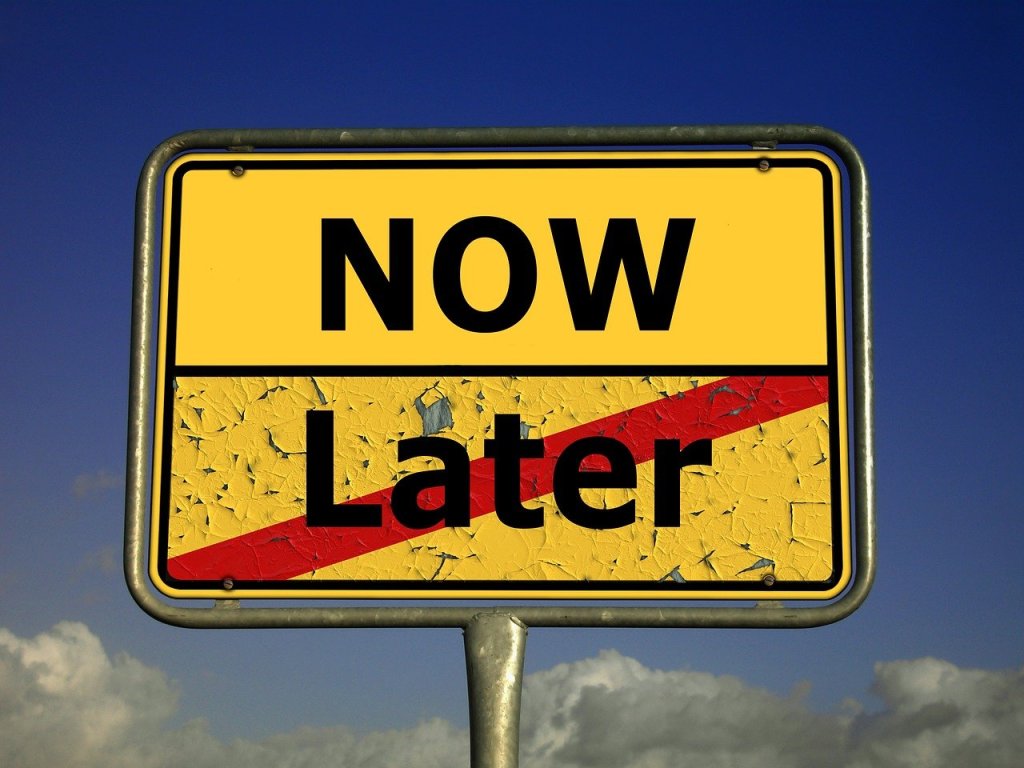
Image by Gerd Altmann
For much of modern life, buying things has been an act of projection. Purchases were rarely just about need. They were made for a future self imagined as more organized, more disciplined, more interesting. Books bought for the person who reads every night. Kitchen tools for the cook who hosts regularly. Clothing for a lifestyle that requires more social occasions than actually occur. Homes, closets, and hard drives filled with evidence of plans rather than habits.
That logic is beginning to weaken. Increasingly, people are pausing before purchasing and asking a more immediate question: Will this object matter in the life I am living now? If the answer depends on a change in schedule, personality, or priorities, the appeal fades. “Someday” is no longer persuasive enough to justify ownership.
This shift is not rooted in restraint or aesthetic minimalism. It is pragmatic. Many people have already lived through decades of buying with intention and storing with guilt. They have moved apartments, decluttered repeatedly, and paid to transport objects that no longer fit their lives. Over time, the pattern becomes obvious. Excess does not remain neutral. It demands time, attention, storage, and maintenance. Objects promise ease but often deliver obligation.
Digital culture has accelerated this reckoning. Endless recommendations have not increased satisfaction; they have revealed how quickly desire expires. Trends refresh weekly. Reviews arrive after the purchase, not before. The cycle has sped up. Wanting something no longer carries the same weight it once did, and enthusiasm often fades almost as quickly as it appears. Buying starts to feel less like anticipation and more like routine.
At the same time, visibility has changed how people relate to accumulation. Social feeds show not just what others buy, but how briefly those things remain central. The shelf life of enthusiasm is short. What once felt like preparation now reads as overcommitment.
In response, buying habits are becoming more selective. Purchases are increasingly tied to present routines rather than imagined transformations. Multipurpose items are favored over specialized ones. People borrow, rent, resell, and share not as a statement, but as a way to reduce friction. Ownership is no longer the default solution to curiosity or interest.
There is also a growing comfort with not finishing everything. Not every hobby needs equipment. Not every phase of life needs to be fully outfitted. An interest can exist without being optimized. This represents a quiet break from consumer culture’s insistence on readiness, the idea that one should always be equipped for a future version of themselves that may never materialize.
This shift has cultural implications. Taste is moving away from abundance toward discernment. Value is measured less by accumulation and more by alignment. What matters is not how much someone owns, but how accurately those possessions reflect their actual lives. Excess begins to look less like prosperity and more like miscalculation.
There is also a psychological change at work. Buying for later often postpones engagement. Objects sit unused, carrying a low-grade sense of obligation. When purchases are made for the present, they usually earn their place. They get used. And when they stop being useful, letting them go feels less like failure and more like a natural end. The relationship between ownership and attention tightens.
The result is a quieter form of agency. Consumption becomes responsive rather than speculative. Buying shifts from preparation to support. Objects are brought in to meet life where it is, not to stand in for a version of it that may never arrive. Fewer things wait in reserve. Fewer intentions are outsourced to objects.
Stepping away from “later” does not mean rejecting growth or ambition. It means recognizing that life is already in progress. In a culture built on perpetual preparation, choosing to buy for now is not complacency. It is clarity.





 Sure Media Magazine
Leave a comment