
Kenya’s hidden Suicide Crisis.
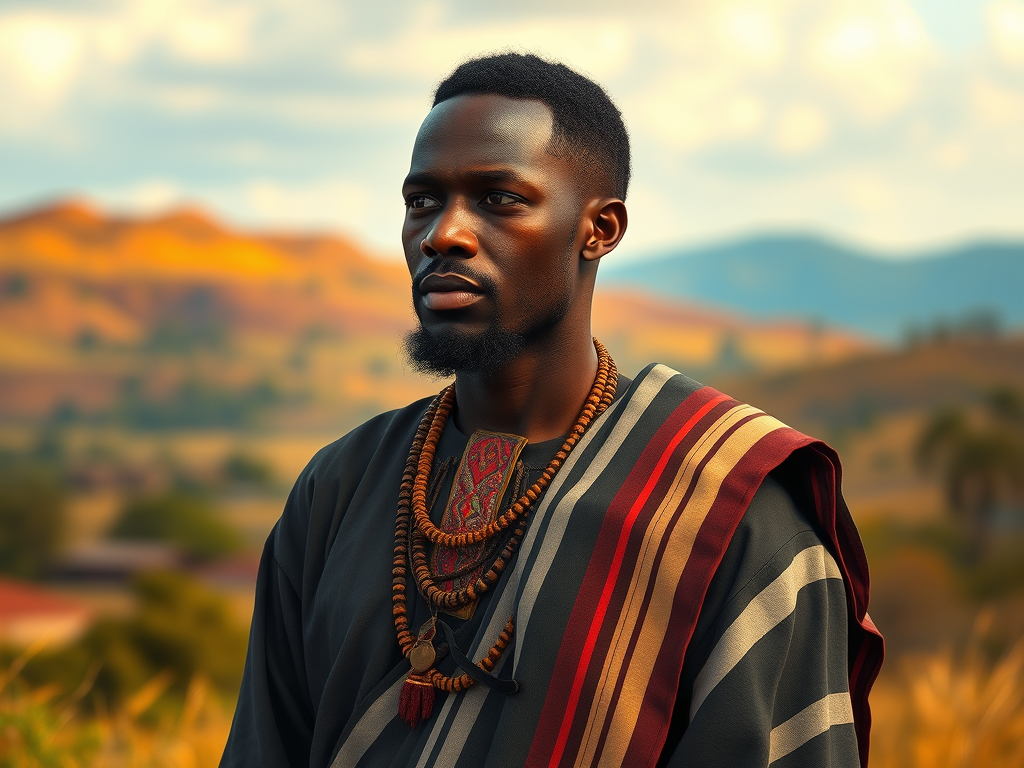
From adolescence in the slums of Nairobi to city boardrooms with luxe amenities and beyond, the cultural narrative is consistent with talks of ‘real men’. A real man must provide, a real man must be unshakable, a real man must not complain, a real man must remain stoic under pressure.
According to Kenya National Bureau of Statistics, 2022, 56.9% of men experience mental disorders compared to women at 43%. Men face significantly higher suicide rates and are less likely to seek treatment at 28%. This is attributed to cultural pressure and stigma leading to depression, anxiety, substance abuse and eventual suicide.
The Star Newspaper on the 13th June, 2025 issue stated that eight in every ten reported cases of suicide are men. This is an alarming rate that calls for action. This data boldly underlines what majority of us feel, that less men than women seek medical care. Clinical data also shows that about 21% of men with depression and anxiety received medical treatment compared to 28% among women with the same diagnosis.
The consequences extend beyond health. When men suppress distress, emotional suffering doesn’t disappear, it transforms into substance use, anger, relationship strain, or worse, silence before a crisis.
In a report by the Guardian in January 2025, the High Court of Kenya made a landmark ruling decriminalizing attempted suicide. The judge stated that section 226 of the penal code contradicts the constitution by punishing those with mental health issues over which they may have little or no control. This was seen as a critical step toward destigmatizing mental health even though social norms still choke open conversations.
I remember one time I caught myself wandering and trying to understand a word I have often used ‘weakness‘. It was after a friend confided that he hadn’t slept for days, yet felt he couldn’t see a doctor because “men don’t talk about things.” His words hit like a wrecking ball. Strength had become a silent prison.
What I’ve learned is that strength should not be the fear of vulnerability. True resilience might be in admitting fear, sharing burden, and seeking help, a form of bravery we are yet to fully embrace.
As more men begin to speak, perhaps we will find that strength isn’t a fortress we must defend alone, but a bridge we can build together.





 Sure Media Magazine
Leave a comment