
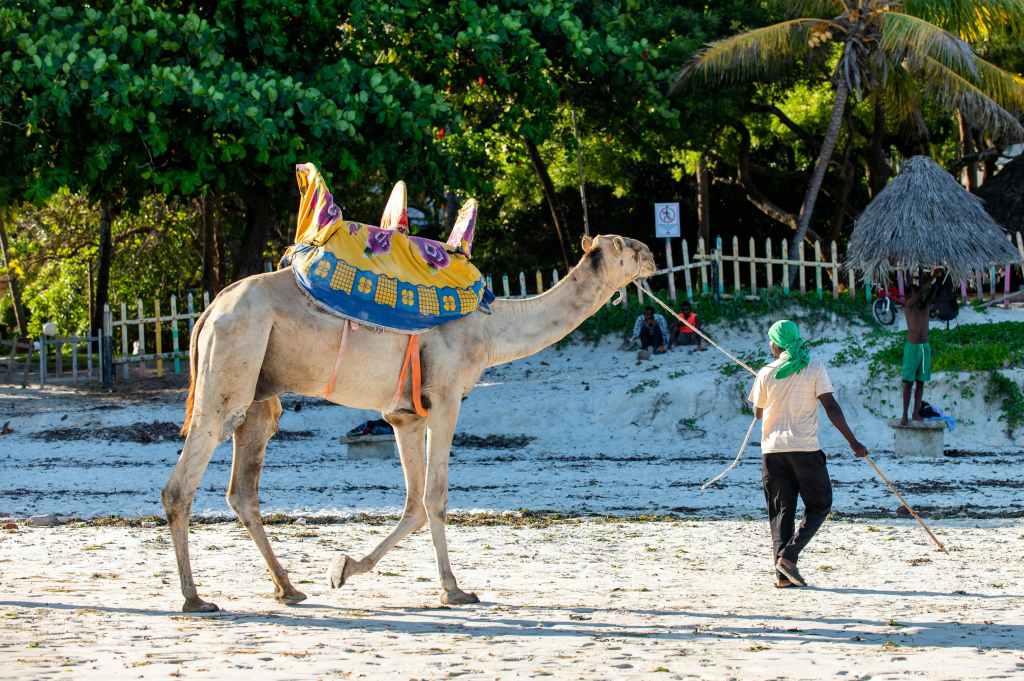
Photo by Collines Omondi
Lamu operates on a quieter logic, one in which time feels less measured and more assumed. For visitors accustomed to movement and schedules, this can feel disorienting at first. Then it begins to feel corrective.
Set along Kenya’s northern coast, Lamu Old Town is one of East Africa’s oldest continuously inhabited settlements. Its coral-stone buildings, carved wooden doors, and narrow streets reflect centuries of Swahili life shaped by trade, faith, and proximity to the sea. But the island is not preserved for display. It is inhabited and deeply routine.
A weekend here is about noticing what does not rush you.
Day One: Arrival and Learning to Drift
Most journeys to Lamu end with a short boat ride from the mainland. As the dhow cuts across the water, the sound thins out. By the time you step onto the jetty, what stands out is the absence: no cars, no engines competing for space. Movement here happens on foot, by donkey, or by boat, and none of it is hurried
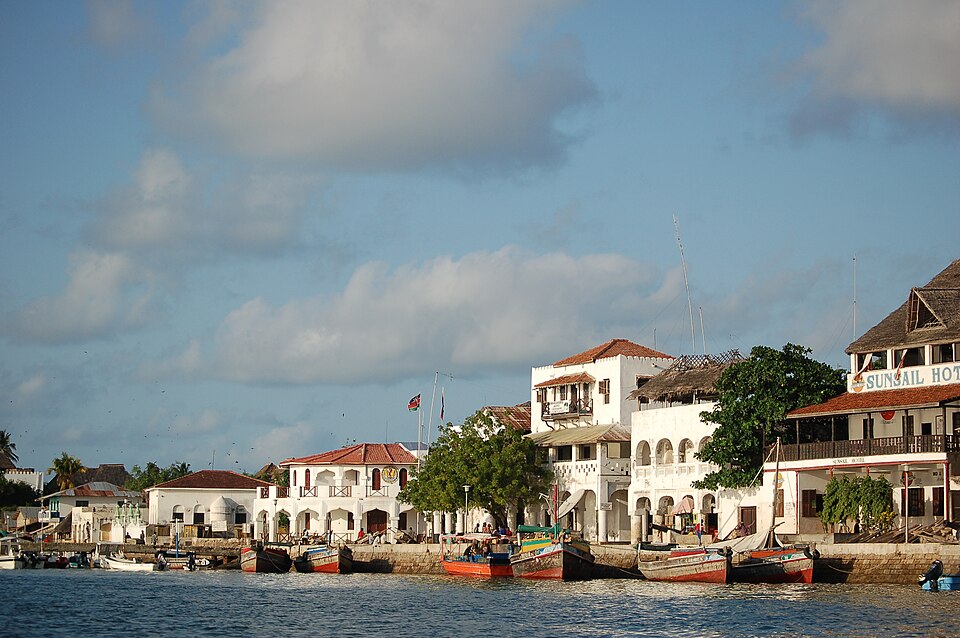
Lamu rewards unstructured movement. Walk through the old town’s alleys, where balconies cast shifting shadows, and daily life unfolds without performance. Children move through courtyards. Shopkeepers sit in doorways, watching rather than calling out. The call to prayer arrives not as an interruption, but as punctuation.
The architecture does not demand attention. Ornately carved doors and weathered walls reveal themselves gradually, their detail becoming legible only when you slow down enough to see it. Lamu does not impress on arrival. It waits.
Toward evening, the waterfront draws people outward. Dhows settle into the harbor, fishermen prepare for the night, and the sky dims without drama. The scene is practical rather than picturesque, and that is precisely its appeal.
Day Two: Culture Without Performance
Early morning belongs to the town. Streets are quieter, the air cooler, and breakfast is usually modest: strong coffee, fresh fruit, and pastries scented with cardamom or coconut. Lamu’s food reflects its coastal, spiced, and shaped by centuries of exchange rather than reinvention.
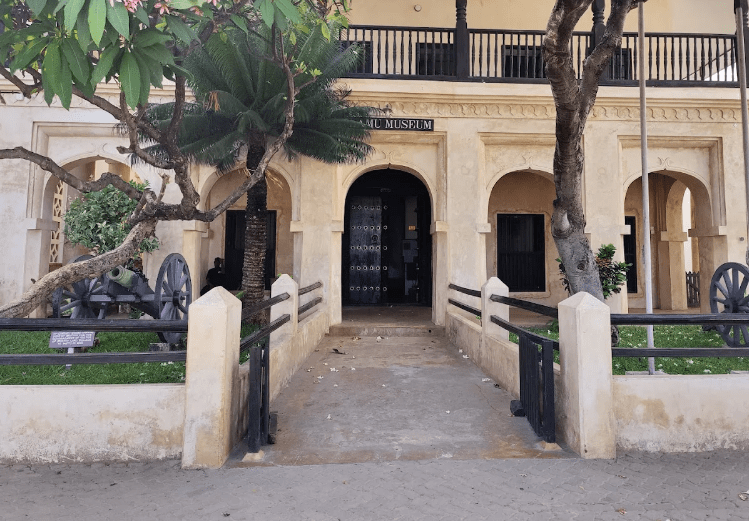
Mid-morning is a natural time to visit the Lamu Museum and the nearby fort. They provide context, but not instruction. The exhibits explain architecture, trade, and governance, yet the town outside continues unchanged. History here is not sealed behind glass; it remains in use.
More revealing are the unscheduled moments. Craftsmen carving doors, repairing boats, or working wood without urgency. Greetings stretch longer. Conversations pause without apology. Social life in Lamu is structured less by efficiency than by recognition.
In the afternoon, leaving the old town entirely sharpens the contrast. A short boat ride to Shela opens into wide sand, wind, and open water. The density of the streets gives way to space. Time loosens further. Walking, swimming, or sitting without direction feels sufficient.
Evening: After the Town, Let’s Go
Evenings in Lamu resist definition. There is no nightlife to chase, no sense of missing out. Dinner happens slowly, often by candlelight or under open sky. Silence is not something to fill. It is allowed to remain.
As darkness settles, the town grows noticeably still. The absence of noise is not dramatic, but it is complete. Rest here is not scheduled or earned. It arrives on its own terms.
What Stays After You Leave
Lamu does not attempt to entertain. It offers something rarer: a sustained alternative to speed. Visitors often leave with fewer photographs than expected, but with a clearer memory of how the place structured their attention.
In a travel culture built around optimization, Lamu remains resistant. It does not reward efficiency. It asks only that you stay long enough to adjust. What it offers in return is not escape, but recalibration.





 Sure Media Magazine
Leave a comment