
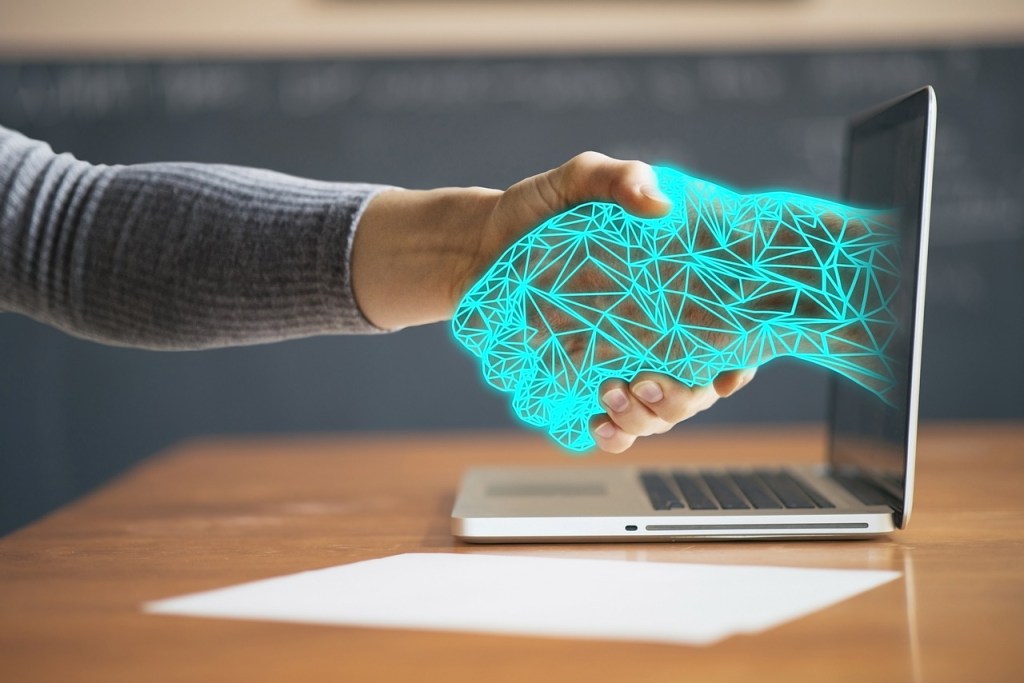
The relationship between people and technology is no longer defined simply by use. It is defined by trust. Navigation apps choose routes without debate. Recommendation systems decide what appears next on a screen. Automated filters shape information long before a person encounters it directly. Increasingly, judgment once exercised by people is delegated to systems that operate quietly in the background.
This trust is rarely deliberate. Most people do not decide to believe algorithms more than other humans. It develops through repetition. When a system delivers results that feel useful, directions that avoid traffic, suggestions that align with taste, it earns credibility. Over time, that credibility becomes habit.
Algorithms present themselves as neutral. They do not appear distracted or tired. They do not hesitate. Outputs arrive framed as optimized results, stripped of doubt. Human judgment, by contrast, is visibly inconsistent, shaped by mood, context, and limited information. Faced with both, many people gravitate toward what feels steady.
But algorithms are not impartial observers. They reflect the priorities and assumptions embedded by their designers, as well as the data they are trained on. What they produce is not certainty, but likelihood. That uncertainty is rarely visible. Recommendations arrive cleanly, without footnotes or hesitation, encouraging acceptance rather than scrutiny.
This dynamic is especially clear in how people consume culture. Streaming platforms suggest what to watch next, narrowing options based on past behavior. The experience feels intuitive. Over time, discovery shifts. Instead of searching, users wait. Taste becomes something revealed by the system rather than explored independently.
The same pattern appears elsewhere. Hiring software filters résumés before a human ever looks at them. Credit scores influence financial access without explanation. Social platforms decide which voices surface and which disappear. In each case, algorithmic judgment shapes outcomes before people have the chance to intervene.
Part of the appeal is scale. Algorithms operate where human attention cannot. They reduce complexity in environments flooded with information. In practice, this trust shows up in small moments. People follow routes they do not fully understand. They accept recommendations without scrolling past the first few options. The narrowing feels helpful. Fewer decisions, less effort. The logic behind those choices rarely matters as long as the result feels workable.
There is also a subtle shift in how responsibility is handled. When a decision is framed as data-driven, it carries less personal weight. If it turns out poorly, the explanation is ready-made. The app suggested it. The system filtered it out. The choice feels shared, even when its consequences are not.
Most people are not unaware of the risks. Conversations about bias, surveillance, and manipulation are common. But awareness does not necessarily change behavior. The same tools that raise concern are opened the next morning, used out of habit as much as trust.
The issue is not that algorithms are trusted, but that the conditions of that trust fade from view. Patterns repeat. Options narrow. Certain outcomes become more likely than others. Over time, efficiency starts to stand in for judgment. Human judgment is flawed, but it retains the ability to pause, reconsider, and account for what data cannot capture.
As algorithms become more embedded in daily life, the issue is no longer whether they will be used. It is whether people notice when they stop questioning them. Trust, once given quietly, is difficult to take back.





 Sure Media Magazine
Leave a comment