
The Slow Disappearance of Public Space
Public spaces once asked very little of the people who entered them. A park bench, a library table, a stretch of sidewalk, they offered somewhere to sit or pass the time without explanation. You didn’t need to buy anything. You didn’t need a plan. You could simply be there.
That ease feels thinner now.
The change did not arrive with closures or dramatic policy shifts. It unfolded through small revisions. A bench was removed during renovations and never replaced. Library hours trimmed back. A park fenced off for a “temporary” event that returns each season. Access narrowed quietly, not by eliminating space, but by attaching conditions to it.
At the same time, social life relocated. Cafés absorbed conversations that once unfolded in plazas. Shopping malls replaced open streets as default meeting points. Online platforms made it possible to stay connected without sharing physical space. Convenience reshaped expectations.
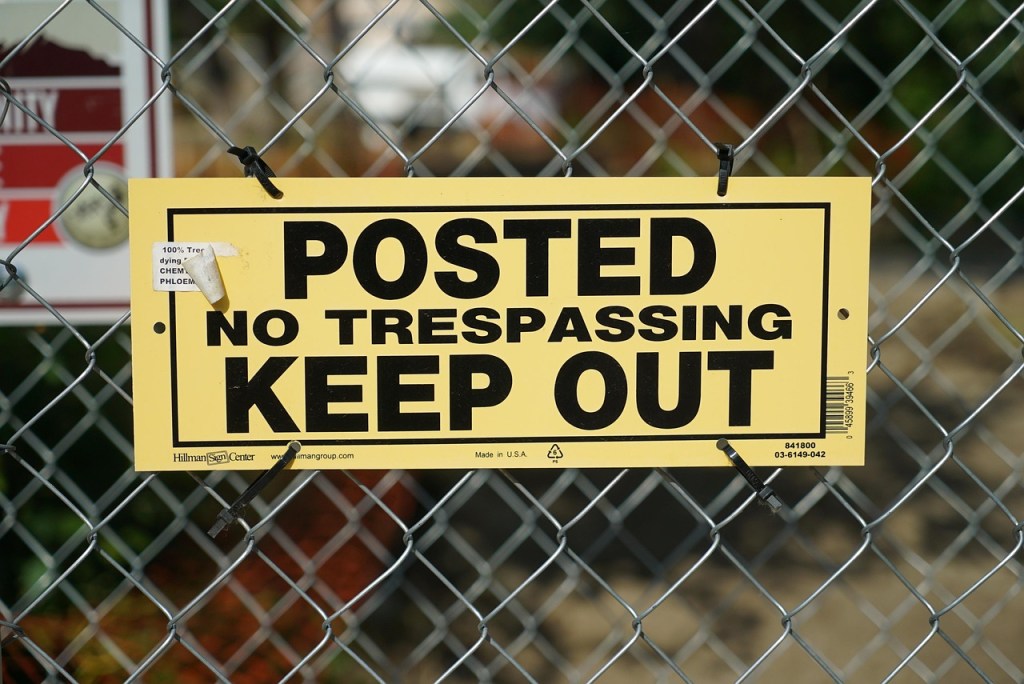
Now, remaining somewhere without a clear purpose can draw attention. Sitting too long. Standing without direction and lingering without purchasing. These actions are rarely prohibited outright, but they are managed through design, surveillance, signage, or subtle intervention.
You can see it in the details. Benches are divided by metal bars. Public squares are leased for branded installations. Parks are hosting ticketed events that block familiar paths for an afternoon. Sidewalks widened for outdoor dining in one district, narrowed for traffic in another. Space remains, but its openness feels provisional.
The social consequences are understated. Fewer unplanned conversations while waiting for a bus. Less idle time beside strangers. More interactions are arranged in advance, moved indoors, or shifted online.
Technology reinforces the shift. Digital communities filter connections by preference. Physical public space once required something less curated: occupying the same ground as people you did not choose, at the same time. That friction, the presence of difference, was part of the point.
The effects are not evenly distributed. Those with resources replace open public space with private alternatives: gyms, clubs, residential courtyards, and coworking spaces. Those without disposable income or private access have fewer places to spend time without being questioned. What was shared becomes layered.
Public space has not disappeared. Streets still fill during protests. Parks swell during festivals. For a few hours, barriers recede and traffic halts. The atmosphere shifts precisely because it feels unusual. When the event ends, the structures return. Fences go back up. Permits expire. The default tightens again.
What seems to be receding is not public space itself, but its baseline availability. It no longer feels permanently open. Increasingly, it is scheduled, rented, or monitored.
Public space is often defended in nostalgic terms, but its value is practical. It allows people to occupy space without transaction or membership. To sit without producing anything. To share proximity without an agenda.
As that possibility narrows, cities begin to feel less like shared environments and more like routes between interior apartments to offices, cars to shops, private rooms linked by roads.
None of this happens all at once. The changes feel dramatic when they happen. The library closes an hour earlier. A park path is blocked for the weekend. A bench disappears during renovations and doesn’t come back. A design improvement. Over time, though, the accumulation changes something harder to measure: the experience of being present among others without needing to justify it.





 Sure Media Magazine
Leave a comment