
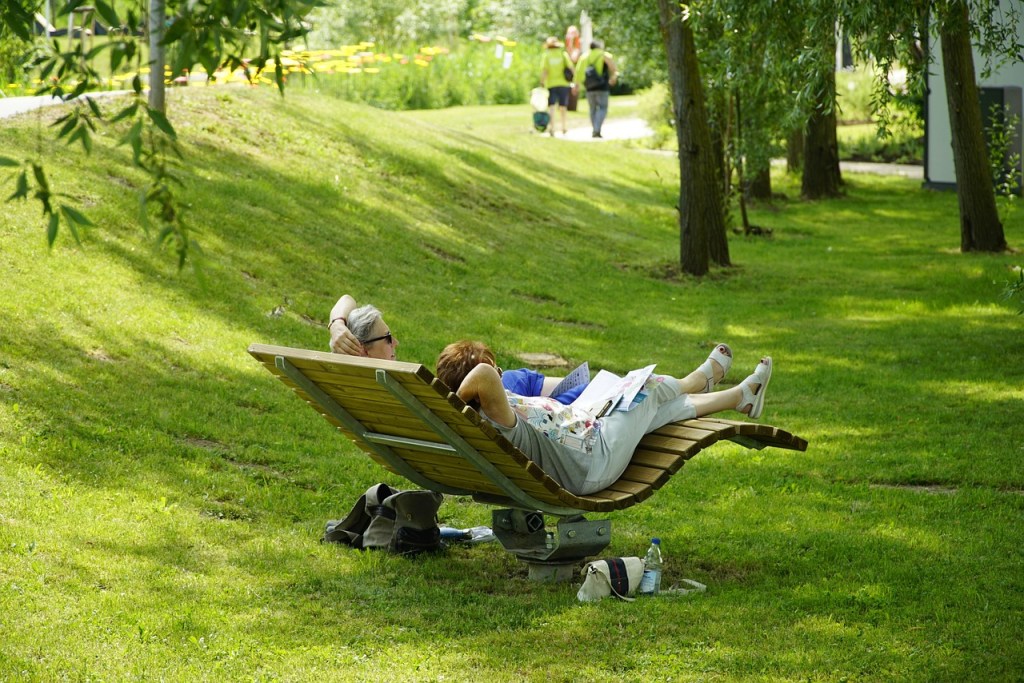
For years, productivity has been treated as a moral position. Being busy signaled seriousness; rest required explanation. Schedules filled, inboxes stayed open, and slowness came to feel like a liability rather than a choice.
What’s changing is not a mass rejection of work, but a quieter reassessment of how much effort actually returns anything. The shift rarely announces itself. It shows up in smaller calendars. Fewer apps allowed to interrupt. Evenings left deliberately unscheduled. Interests that remain hobbies, not side hustles.
This version of restraint looks different from earlier simplicity movements. There is no fantasy of withdrawal. People are still employed, connected, and visible. The adjustment is more modest. Time is treated as limited rather than stretchable. Attention is handled carefully, not spent automatically.
Technology complicates this turn. The same systems that normalized overwork also exposed its consequences. Burnout became common enough to lose its stigma. Exhaustion stopped reading as an individual weakness and began to look structural. Boundaries, once framed as a lack of ambition, started to resemble maintenance.
Lifestyle, in this context, shifts away from aspiration. Sleep, movement, and consumption are less about optimization and more about continuity. The question is no longer how to improve the self, but how to avoid eroding it. What can be sustained without constant recovery?
Cultural signals have adjusted accordingly. Status is less reliably tied to volume. Longevity carries more weight than intensity. Even taste reflects the change. Spaces, clothing, and routines favor durability and calm over novelty or display.
None of this forms a single philosophy. The ability to slow down still depends heavily on income, health, and circumstance. What connects these choices is not a shared method, but a shared permission: the idea that pace does not need to be defended endlessly to be legitimate.
Doing less, in this sense, is not withdrawal. It is selectivity. A refusal to treat every hour as available for extraction.
In an economy built around acceleration, that refusal is not dramatic. It is barely visible. And that is precisely what makes it workable.





 Sure Media Magazine
Leave a comment