
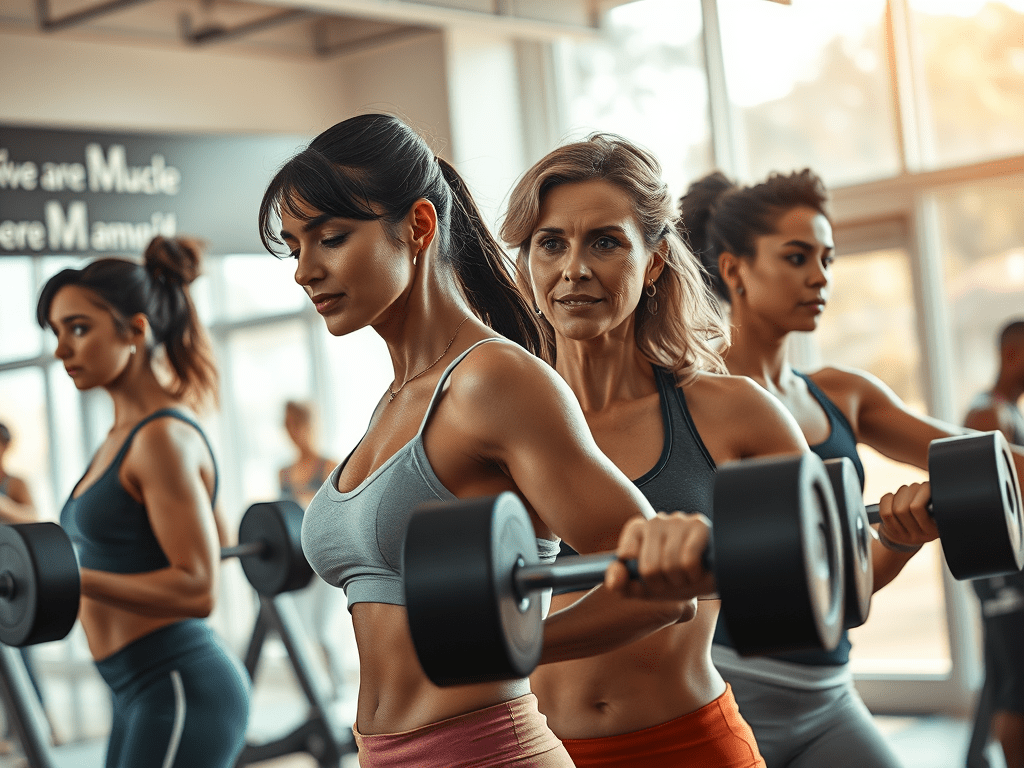
Generally, women outlive men. However, what is the point of having extra years if they’re filled with struggling against brittle bones or creeping fatigue? There is also the fear of a fall that could change everything. For generations, women have been told to move more, stretch daily, and eat lighter. They were encouraged to keep weights light.
Heavy lifting was brushed off as unnecessary or masculine. Yet the latest science is rewriting that narrative. Strength training, long sidelined in women’s health advice, is becoming one of the most effective ways to safeguard mobility. It also protects metabolism and heart health as we age.
Women globally live longer than men. This longevity is due to being biologically advantaged. Also, women engage in health-seeking behaviors and show lower risk-taking behaviors. They have stronger social connections and adopt certain occupations and lifestyle patterns. But how are those extra years lived? With more disability, chronic illness, and loss of function.
Sarcopenia is a major overlooked factor. It is the progressive loss of muscle mass and strength. This process begins in the mid-30s and accelerates around perimenopause with falling estrogen.
Estrogen is the dominant female sex hormone that regulates our menstrual cycle during our reproductive years. It plays a vital role in protecting bone density and supports cardiovascular and brain health. Additionally, it influences metabolism, mood, and skin.
But what happens during menopause when the same hormone we have relied on starts declining? A major shift occurs. Women become more predisposed to cardiovascular issues. We also become more prone to fractures and falls. All this is in addition to dealing with menopausal symptoms. So what is the solution? How should we make sure that our bonus years are lived and not tolerated?
Recent studies show that regular resistance training (using weights, resistance bands, or body weight) can slow or reverse this decline. It helps sustain bone density. It also sharpens insulin sensitivity, protects the cardiovascular system, and cuts mortality risk. This goes beyond aesthetics; it’s about turning preventable decline into preserved vitality, benefits that go beyond what cardio alone provides.
The Silent Shift: Muscle Loss Starts Earlier Than We Think
Muscle doesn’t vanish overnight; it slips away gradually from the mid-30s onwards, gaining momentum when we approach menopause. Early signs of this are subtle; groceries grow heavier, stairs demand more effort, and balance feels less steady. Over the years, these add up, and independence begins to decline. This age-related muscle loss, known as sarcopenia, affects millions and fuels higher risks of chronic disease, frailty, and earlier disability.
As women, we face a unique challenge: longer average lifespans mean more years vulnerable to function loss. Sedentary lifestyles contribute to this issue. They include desk jobs with less activity and car-dependent routines, which remove everyday muscle challenges. Most health campaigns champion walking and cardio. These activities are essential for the heart. However, they rarely mention the importance of muscle mass and strength. These factors rank among the top predictors of long-term survival and quality of life. The principle here is simple and well-established: “Use it or lose it.” Muscles respond to challenge by staying strong; without it, they fade faster than necessary.
Bones That Need More Than Calcium
Osteoporosis is another menace. It disproportionately affects women after menopause. This often leads to fractures. These fractures can cause long-term disability or shorten life. Calcium and vitamin D get plenty of attention. However, bones adapt best to mechanical loading. This is the tugging force of strong muscles during resistance exercise. Combining calcium, vitamin D, and weightlifting, you get the best results for your bones and muscles.
A systematic review and meta-analysis show that resistance training meaningfully increases bone mineral density across various critical skeletal sites. These sites include the lumbar spine, femoral neck, trochanter, and total hip in postmenopausal women. This is especially achieved with high-intensity protocols of approximately 70% effort and three sessions per week. Simply put, strong bones rely on strong muscles. The two systems are inseparable.
Metabolic Armor: How Muscle Guards Against Diabetes
Muscles serve as the body’s main “glucose sponge”, efficiently storing and burning blood sugar. As muscle mass shrinks, insulin sensitivity often weakens, elevating type 2 diabetes risk, even when body weight stays stable. Midlife hormonal changes intensify this vulnerability.
Resistance training enhances muscle glucose uptake. It improves insulin action. These effects hold even without weight loss. Meta-analyses demonstrate that it lowers fasting blood sugar and reduces diabetes risk, often rivalling or enhancing aerobic exercise benefits. This metabolic edge translates to everyday energy and resilience.
Heart Protection in a Hormonal Storm
Cardiovascular conditions are perceived as a ‘man’s problem’ since they affect more men earlier in life compared to women. On the other hand, women have a higher risk of the same once they hit menopause. Once estrogen declines, its heart-protection abilities are lost. This predisposes postmenopausal women to these conditions. These continue to be the leading cause of death for women worldwide.
Menopause reshapes risk dramatically: LDL cholesterol rises (the bad cholesterol), blood vessels stiffen, visceral fat accumulates, and insulin resistance increases. Hormonal contraceptives add subtle, long-term effects on blood pressure or clotting for many.
So how does strength training help? It offers broad cardiovascular defence. It lowers blood pressure, enhances vessel function, improves cholesterol balance, and strengthens overall heart resilience. A major 2024 analysis revealed significant findings. Women lifting weights two to three times weekly had up to a 30% lower risk of cardiovascular mortality. This reduction was often greater than seen in men. It doesn’t negate hormonal influences, but it reinforces the systems they affect.
Longevity’s Secret Metric: Strength Over Size
How strong your muscles are, not just their size, will determine how well you live your later years. Even something as simple as grip strength alone strongly predicts lower all-cause mortality. As you age, focus on muscle and bone strength. If you want to recover faster from illness, you need strong muscles and bones. Strong muscles also improve your ability to avoid falls. They help maintain your independence longer.
Cohort studies link higher strength to reduced death risk, with advantages persisting into the 70s and beyond. With this, daily rewards start to accumulate, like reduced chronic pain, smoother tasks, and steadier energy. Here, longevity means thriving rather than merely enduring. The encouraging reality is that you do not have to get weaker with age.
Busting the Myths That Hold Women Back
- “I’ll get bulky.” It is very unlikely for women to bulk up just because they are lifting weights. Our hormonal makeup favours functional strength and definition over bulk. To achieve noticeable bulk, women must be intentional about it. They need to engage in high-intensity, high-volume exercise. It requires years of dedication to hypertrophy training. They also have to adjust to a high-calorie and high-protein diet. Casual and moderate training, just focusing on building strength, does not meet these factors.
- “Light weights are enough.” They offer some benefits, but a meaningful challenge is what drives bone and muscle adaptation. You have to challenge your muscles by subjecting them to heavier weights.
- “I’m too old.” So what! Having an advanced age is not an excuse for wanting a quality life. Evidence proves significant improvements even in advanced age. If the worry is about hurting yourself while training, there is a simple solution to that. Start small, with lighter weights as you learn the proper form to avoid injury, and advance to heavier weights slowly. Also, it is best to work with a professional who understands fully.
- “Cardio covers it.” Cardio supports heart health but falls short on preserving muscle, bone, or metabolic function, like resistance does. Combining cardio with resistance training will give you the benefits of both techniques, improving the quality of life even more.
Conclusion
The accumulating evidence is clear. Muscle isn’t a vanity project. It’s an essential cushion against the realities of extended life. For years, women’s fitness guidance has prioritized shrinking over strengthening. Strength training debunks that myth. It offers women of all ages an opportunity to take charge of their bodies. They can convert preventable loss into sustained capability. In a culture that historically urged women to occupy less space, embracing strength becomes a profound act of self-preservation.
The way forward is clear. We must adjust our workout routines to include resistance as the backbone. This should be done at least two to three times a week, targeting major muscle groups. If you are starting, consult a doctor or professional trainer. If you live with any health conditions, this is also important. It can ensure a safe and effective form.
The real measure of progress isn’t the scale but the growing sense of capability and vitality you carry forward. That future version of you, more mobile, more resilient, more in command, has a lot to gain.





 Sure Media Magazine
Leave a comment