
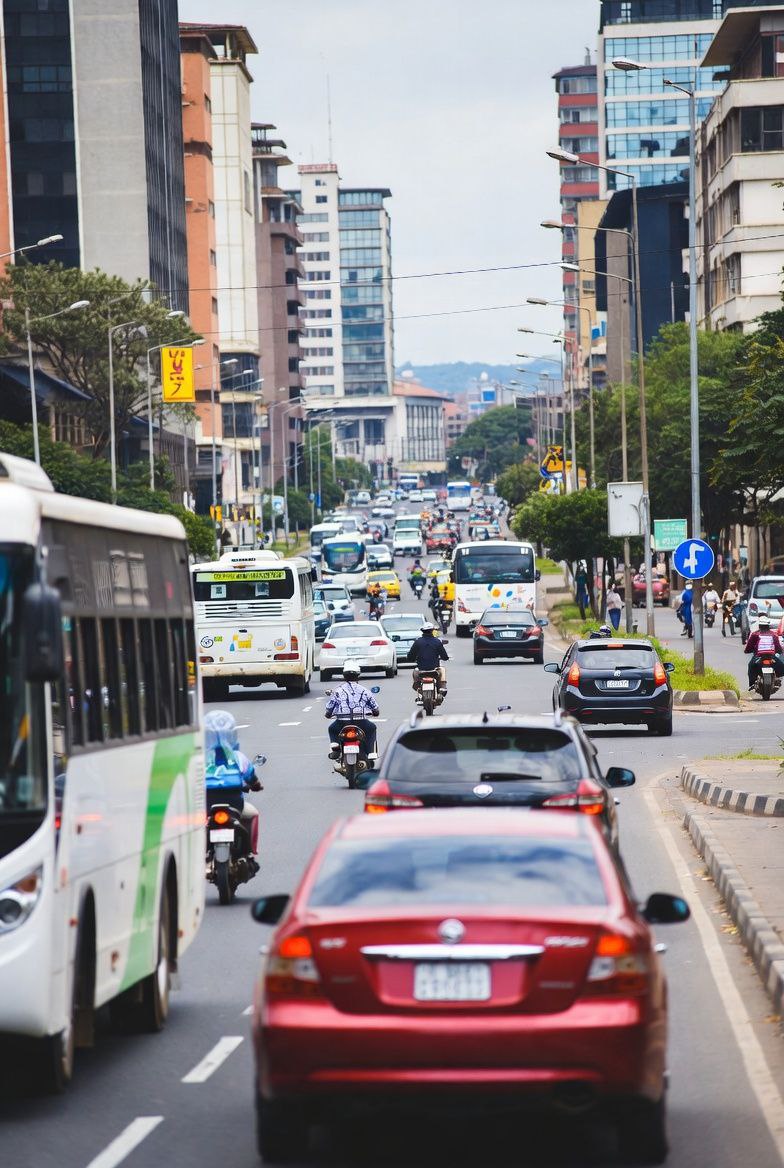
Nairobi, Kenya’s capital city, has come to symbolize traffic jams. Every morning, thousands of commuters spend hours queuing in a snaking process of Matatus, private cars, and Lorries, all spewing forth noxious fumes as they go about their day. According to recent reports, Nairobi has been ranked as one of the most congested cities in the world, with motorists losing over 70 hours annually stuck in traffic. This has been costing Kenya billions of shillings annually. However, a solution has been promised over the last decade: the Bus Rapid Transit system. This system has the potential to revolutionize transport across Kenya’s congested streets. However, as of February 2026, Nairobi remains stuck in traffic as the BRT system has been plagued by delays. Why has this vital infrastructure been held up? People Daily
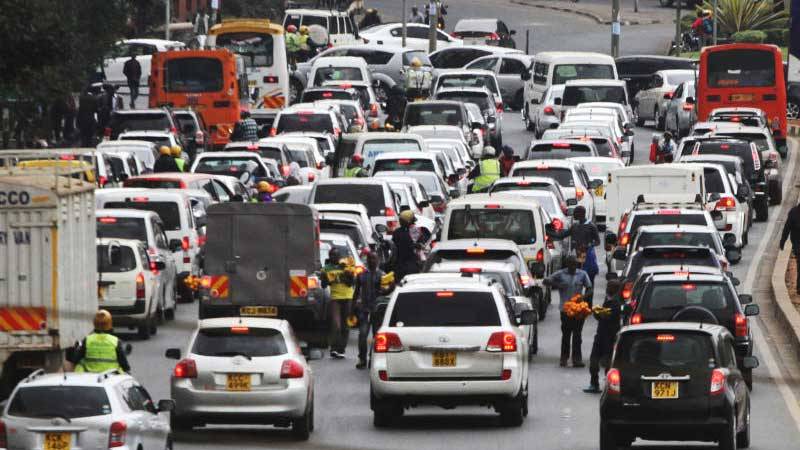
Nairobi ranked world’s 4th most congested city | The Kenyan Wallstreet
The idea of BRT in Nairobi was born in the early 2010s as part of the Nairobi Metropolitan Transport Master Plan under the 2030 vision. The idea was to have five routes covering over 170 km, connecting critical areas such as JKIA to the CBD, Thika Road, and Outer Ring Road, among others. The plan offered an efficient and affordable means of transport through the provision of dedicated lanes, modern stations, and electric buses to reduce environmental pollution. The initial plan was financed through the support of international partners such as the European Union, Agence Française de Développement (AFD), and the World Bank, among others. In 2019, the Kenya National Urban Transport Improvement Project was initiated to lay the groundwork, although the process was slow. LinkedIn World Bank
However, by 2020, the construction of Line 2 along Thika Superhighway started as a pilot project fully funded by the Kenyan government at Ksh 5.6 billion. This involved 10 stations and was considered a game-changer for passengers from the eastern side. However, by December 2022, the construction ceased as the contractor stopped the process due to unpaid amounts amounting to billions. Only Ksh 900 million out of the mobilized Ksh 2 billion had been paid to the contractor, with the project at 70% completion. Engineer Francis Gitau, the Director General of the Nairobi Metropolitan Area Transport Authority (NaMATA), attributed the delay in treasury disbursement of an extra Ksh 3 billion. Citizen LinkedIn YouTube
Funding issues feature prominently. There have been cuts in budgets due to the COVID-19 pandemic. However, the major problems relate to issues of cash leakage, suboptimal fares, and acrimonious relations with the informal operators of Matatus. For instance, paratransit systems, which account for most of Nairobi’s transportation services, resist BRT due to revenue loss concerns. This has led to uncontrolled competition, which makes the project unviable. There have also been issues of land acquisition and resettlement, which have increased costs and discouraged investment. In Africa, especially in Sub-Saharan countries, the adoption of BRT faces challenges due to poor road infrastructure, affordability constraints, and the prevalence of the informal sector. kenyans.co.ke LinkedIn Science direct
The political changes have also added to the challenges. In 2023, the agreement with the USA under President Biden was for Ksh 7 billion for multimodal transport, including the BRT components. However, after the return of Donald Trump to office in 2025, the USA’s aid policies were affected, causing the halt of funds for projects such as the GIS for traffic management, which is only 30% complete. The lengthy discussions with the development partners due to the new policies have also delayed the NaMATA targets. kenyans.co.ke kenyans.co.ke
As of the early part of 2026, court disputes are the current hindrance. A Nairobi-based company, Beyond Trading, has filed a case with the High Court to put on hold KURA’s Sh50 billion tender for the BRT Line 5 on Outer Ring Road, citing an unfair tendering process that goes against the Constitution and Public Procurement Act. The construction project, which involves building 10.5 km of the route, as well as bridges and stations, is set to be put on hold over issues of transparency. Another tender worth Sh7.6 billion for the same line is also in court, with delays due to changes in contractors and unpaid invoices. The Clean BRT Line 3, on the other hand, has made little progress due to outstanding contractor payments of Ksh 2.9 billion. dawan.africa eastleighvoice.co.ke businessdailyafrica.com streamlinefeed.co.ke
The implications of these delays are enormous. For instance, the traffic gridlocks in Nairobi cost the country dearly. In fact, in 2019, the economic cost of traffic in Nairobi was estimated at $1 billion annually. This figure is expected to be higher today considering the growth in the country’s population. Moreover, the health implications for the public due to the delays in traffic are immense. Social media posts show the frustrations. For example, recent posts on X show complaints about the status of the Thika Road Station, with some calling for Senate investigations into the matter. One post read, “BRT on Thika Rd needed finishing but it is yet another stalled project.” streamlinefeed.co.ke @PHIAMAX @SenHamidak @Endo254
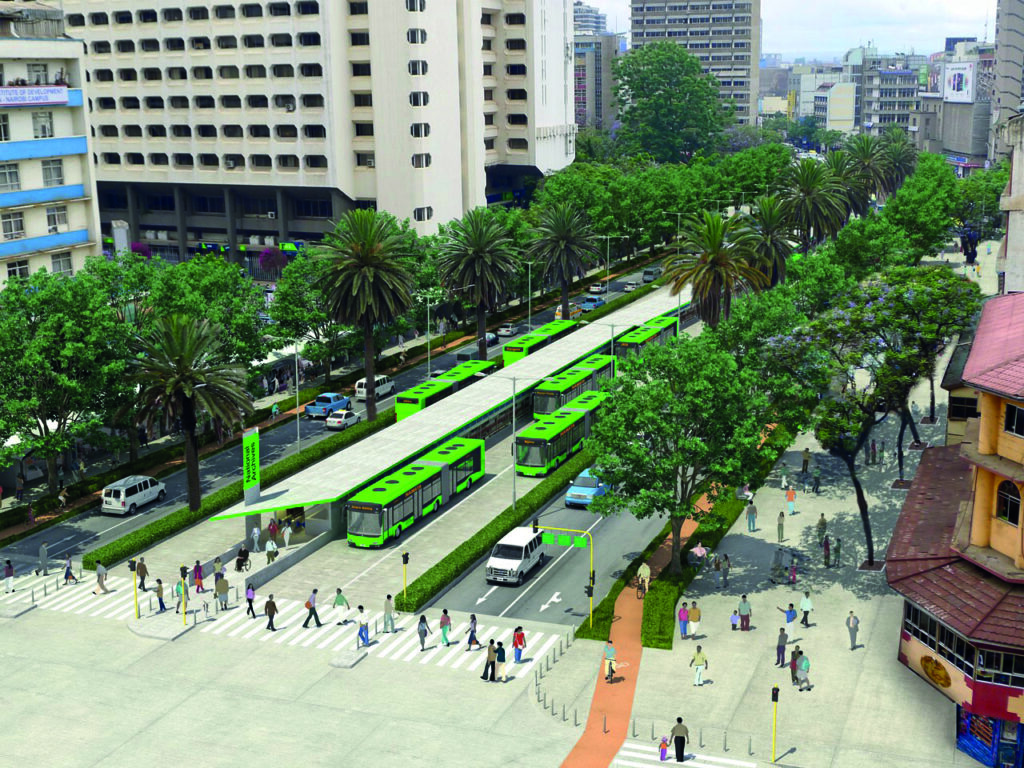
Nairobi Bus Rapid Transit network – Ingérop
However, looking forward, there is hope. A loan of Ksh 7.6 billion was secured in 2024 for Line 5 from Korea’s Export-Import Bank, although limited to South Korean companies. Nairobi County has proposed revamping Line 3 with foreign investors, while the Ngong-Kiserian-Rongai commuter railway is on course at 5% completion. It is recommended that there be a shift from mega-infrastructure projects to people-centered planning, incorporating walking, cycling, and public transport. However, until the bureaucratic process is addressed, Nairobi’s BRT project may be no more than a dream. LinkedIn.com @SeyMonicah streamlinefeed.co.ke
In a city where time is money, the long wait for BRT underscores systemic failures. As commuters inch forward, the question lingers: Will Nairobi ever break free from its traffic shackles?



 Sure Media Magazine
Leave a comment