
Life as Raw Material
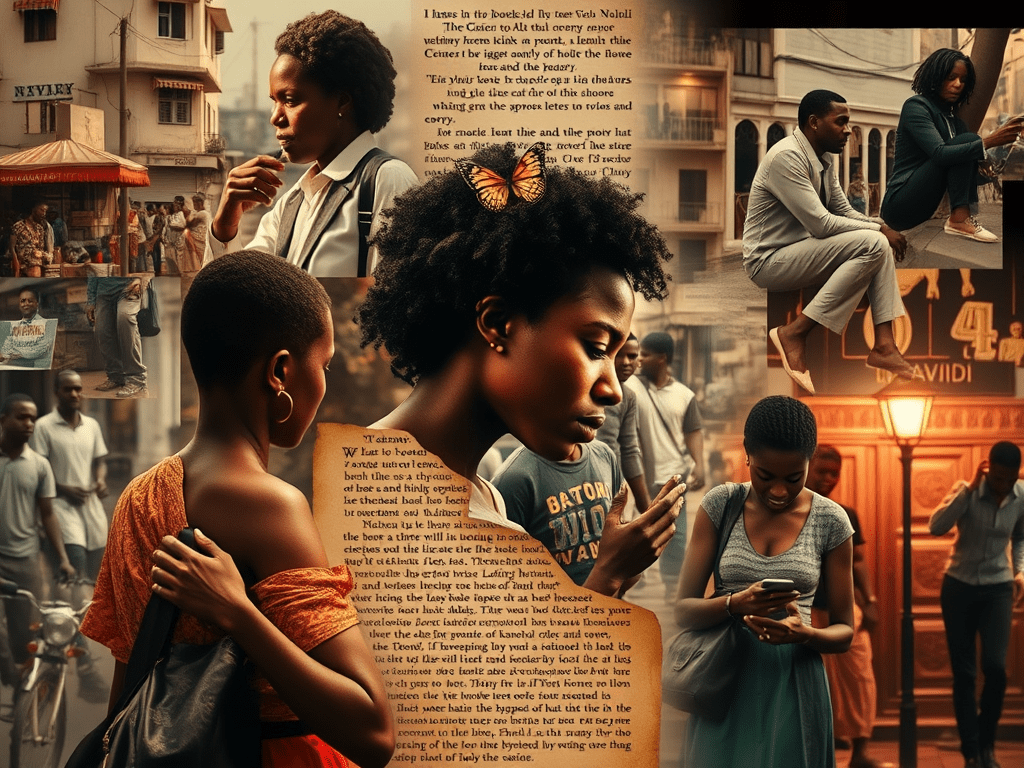
Contemporary poetry rarely pretends to stand apart from the poet’s daily reality. Personal routines, family tensions, urban noise, political unrest, and quiet moments of observation now serve as both subject and structural principle. The boundary between “life” and “verse” has thinned: experience does not merely supply content—it dictates rhythm, fragmentation, enjambment, and even the decision to break or extend a line.
Suggested pull-quote placement here:
“The poem begins where the day leaves off—unfinished, urgent, unpolished.”
A Voice from Lagos: Gbenga Adesina
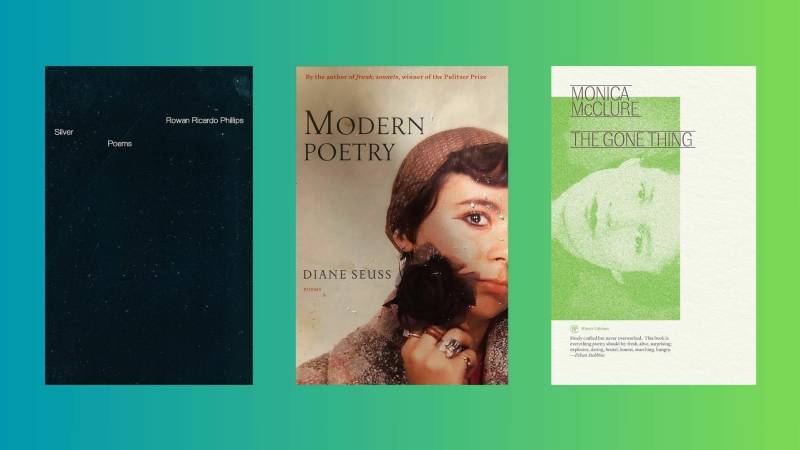
Nigerian poet Gbenga Adesina, whose debut collection Death Does Not End at the Sea (2025) earned a place among Poets & Writers’ 2026 Debut Poets, turns personal and collective grief into lyrical architecture. His poems draw from Lagos street life, migration stories, and intimate loss, using long, breath-like lines that mimic the city’s relentless motion and sudden pauses. The enjambments often fall at moments of emotional rupture—mirroring how memory interrupts ordinary time.
Suggested image placement here (caption: Cover of a recent poetry collection by an emerging voice)

Nairobi’s Spoken-Word Pulse: Njeri Wangari
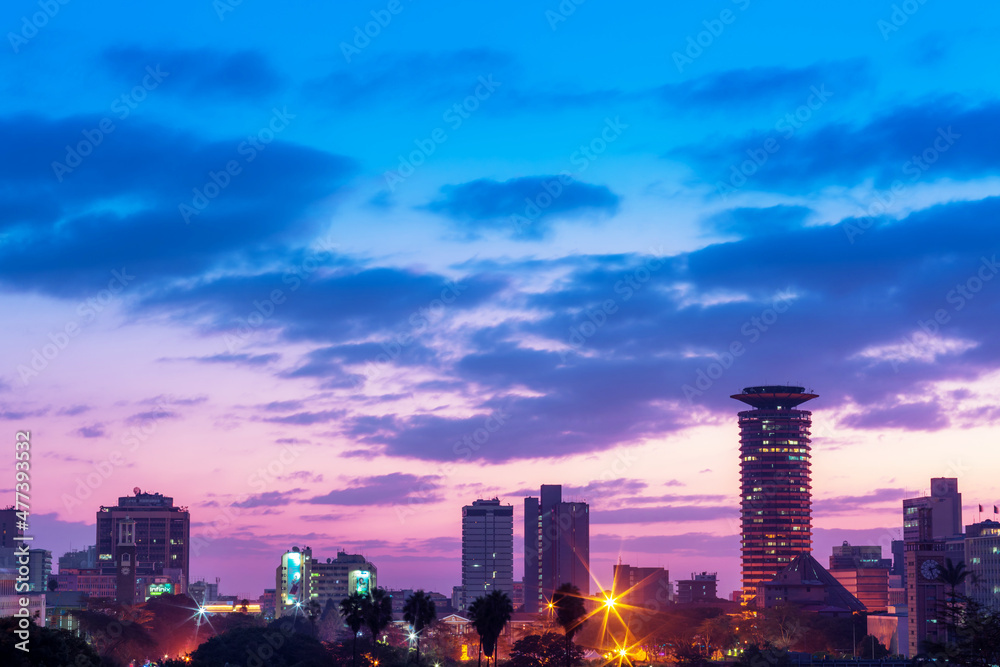
In Nairobi, spoken-word artist and poet Njeri Wangari channels the city’s matatu conversations, protest chants, and late-night reflections into performance pieces that later become page poems. Active in open-mic scenes and community anthologies, she experiments with Swahili-English code-switching and abrupt stanza breaks to replicate the stop-start rhythm of Nairobi traffic and conversation. Her work treats personal encounters—family meals, street harassment, moments of joy amid economic strain—as entry points to larger questions of belonging and resilience.
Suggested image placement here (caption: Nairobi skyline at dusk, where daily life and verse collide)
Nairobi Skyline Premium Images – Browse 84 Stock Photos, Vectors …
Craft Decisions Born of Experience
Across continents, emerging poets reveal how lived reality shapes technical choices:
- Stanza length often mirrors emotional duration—a short burst for fleeting anger, a sprawling block for lingering grief.
- Line breaks fall where breath catches in real speech or memory falters.
- Repetition emerges from habit: the phrases we replay in our heads after arguments or farewells.
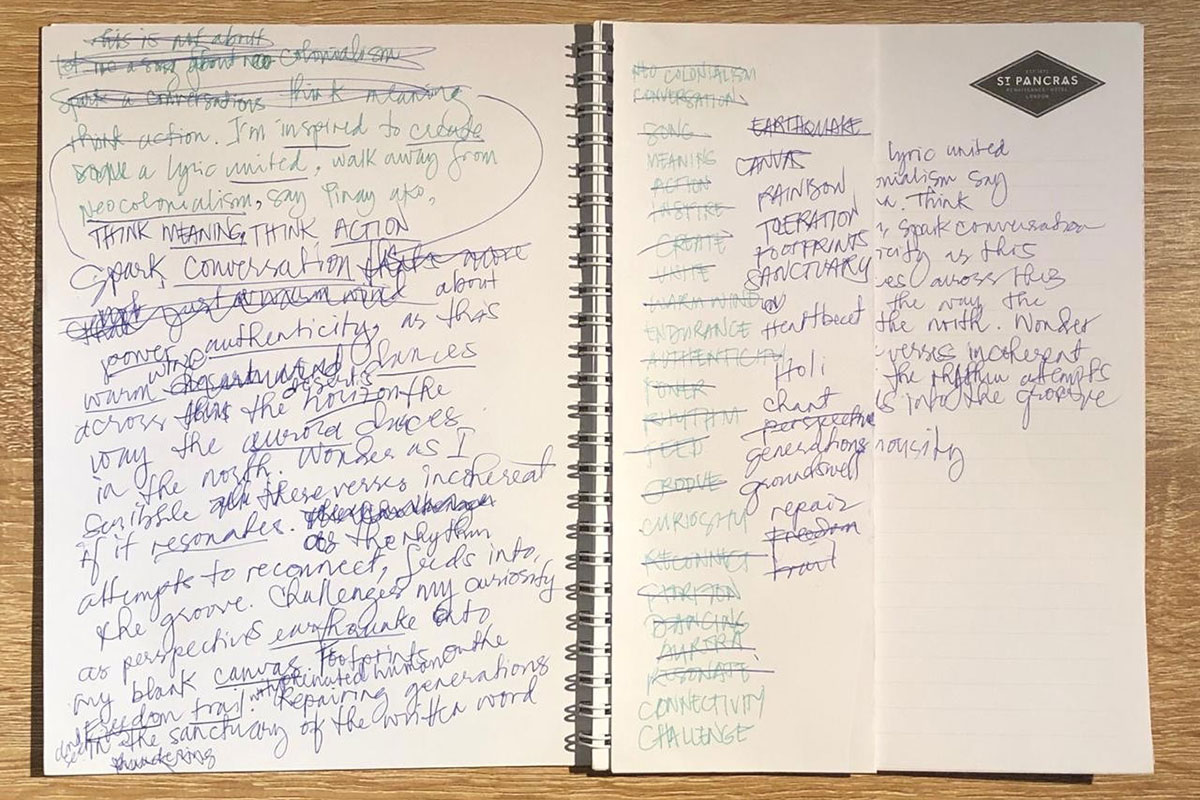
- Fragmentation reflects digital life—half-finished thoughts, interrupted notifications, overlapping voices.
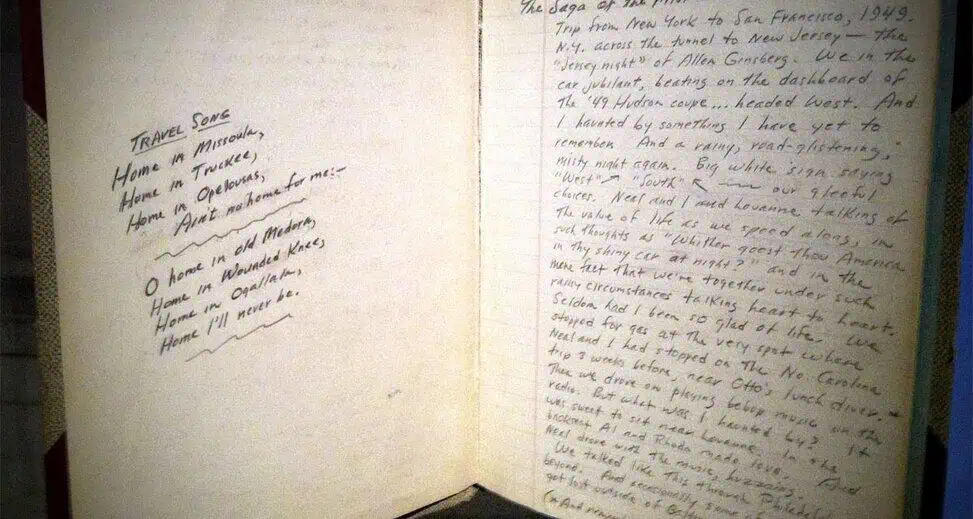
Suggested image placement here (caption: A poet’s notebook, where private notes become public verse)
Why This Matters Now
When poets refuse to separate life from craft, they offer readers not just insight but recognition. The poem becomes a shared space: the writer’s matatu ride, Lagos market haggling, or quiet kitchen moment invites us to locate our own equivalents. This intimacy fosters empathy in divided times and reminds emerging writers that material is never scarce—only unobserved.
Suggested final pull-quote placement:
“Poetry is not escape from life; it is life, distilled and rearranged so we can bear to look at it closely.”
In an era of filtered personas and curated feeds, poetry rooted in unvarnished experience feels both radical and necessary—a quiet insistence that the ordinary is worthy of attention, and that craft begins the moment we notice.




 Sure Media Magazine
Leave a comment