
Why Maintenance — Not Innovation — Keeps Our World Running
Most technological failures today arrive without fanfare. A flight canceled for vague “operational reasons.” A blackout attributed to “routine maintenance.” A digital service that works flawlessly—until it doesn’t. These aren’t isolated incidents. They reveal a deeper pattern.
Across aviation, energy, software platforms, and communications networks, systems break down less from poor initial design or a lack of cutting-edge innovation than from the chronic undervaluation of maintenance. Maintenance is invention’s invisible partner: unnoticed when effective, blamed when absent, and rarely treated as a core strategic priority. Yet in our world of deeply interconnected, high-complexity technologies, maintenance—not bold breakthroughs—is what ultimately determines whether systems endure or quietly unravel.
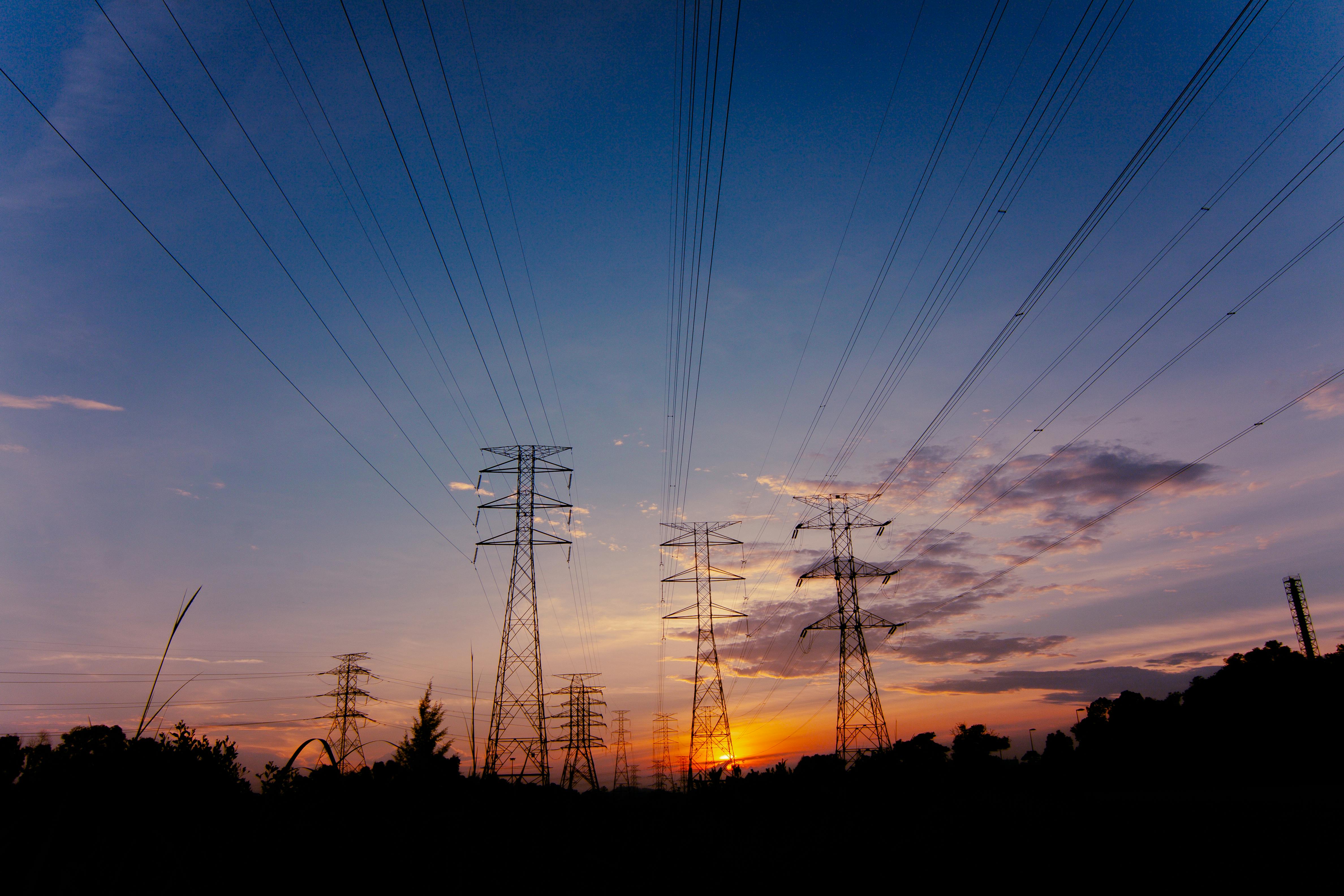
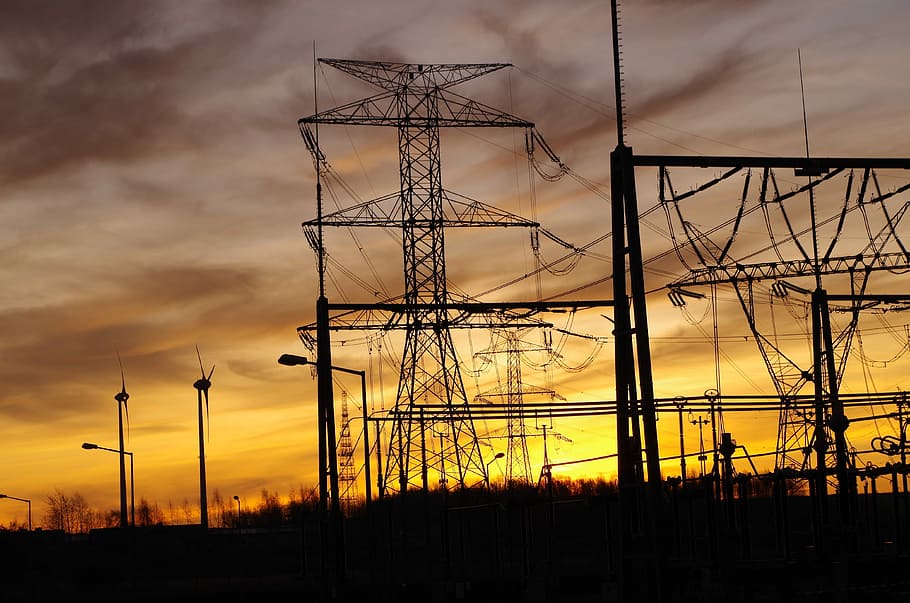
Featured/header image here – power lines/substation at dusk for atmospheric “quiet fragility” feel
The Misconception Driving Technological Progress
We define progress by novelty: faster processors, more intelligent algorithms, more elegant hardware. Capital, talent, and attention pursue creation. Maintenance, by contrast, is cast as overhead—a cost to be minimized rather than a capability to strengthen.
This imbalance creates a pervasive blind spot. Systems can appear robust on the surface while quietly accumulating deferred work, under-resourced teams, ad-hoc patches, and weakened safeguards. When failure strikes, it’s labeled “unexpected” or “unavoidable.” In most cases, it’s the foreseeable result of decisions that consistently favor expansion over careful sustainment.
The result is quiet fragility: technologies scale at relentless speed, but the organizational capacity, processes, and human effort required to keep them reliable do not.
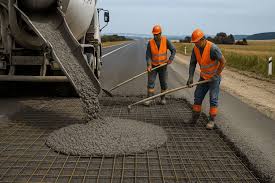
Physical infrastructure repair image here – workers on concrete/bridge/road to illustrate deferred upkeep
Graphene Concrete: The Future of Roadways and Highways
Digital Systems: Maintenance at Global Scale
For engineers, technology leaders, and policymakers building digital infrastructure, maintenance has become the decisive factor in long-term reliability. Cloud platforms, software-as-a-service ecosystems, and interconnected networks are marketed as seamless and infinitely scalable. In reality, they demand constant, labor-intensive care that remains hidden—until its absence causes visible disruption.
Postmortems from major systems consistently show the same truth: large-scale failures rarely stem from exotic new defects or fundamental architectural flaws. They emerge from accumulated operational strain—delayed updates, configuration drift, mounting technical debt, and the slow erosion of protections designed to contain minor issues. Stability can turn to brittleness not because of initial engineering shortcomings, but because routine upkeep was repeatedly deferred.
Technical debt provides a powerful lens. Just as neglected inspections or corrosion in physical infrastructure build hidden dangers over time, unaddressed code decay, outdated dependencies, and skipped operational practices compound risk in software. As systems grow more intricate and interdependent, that risk accelerates dramatically.
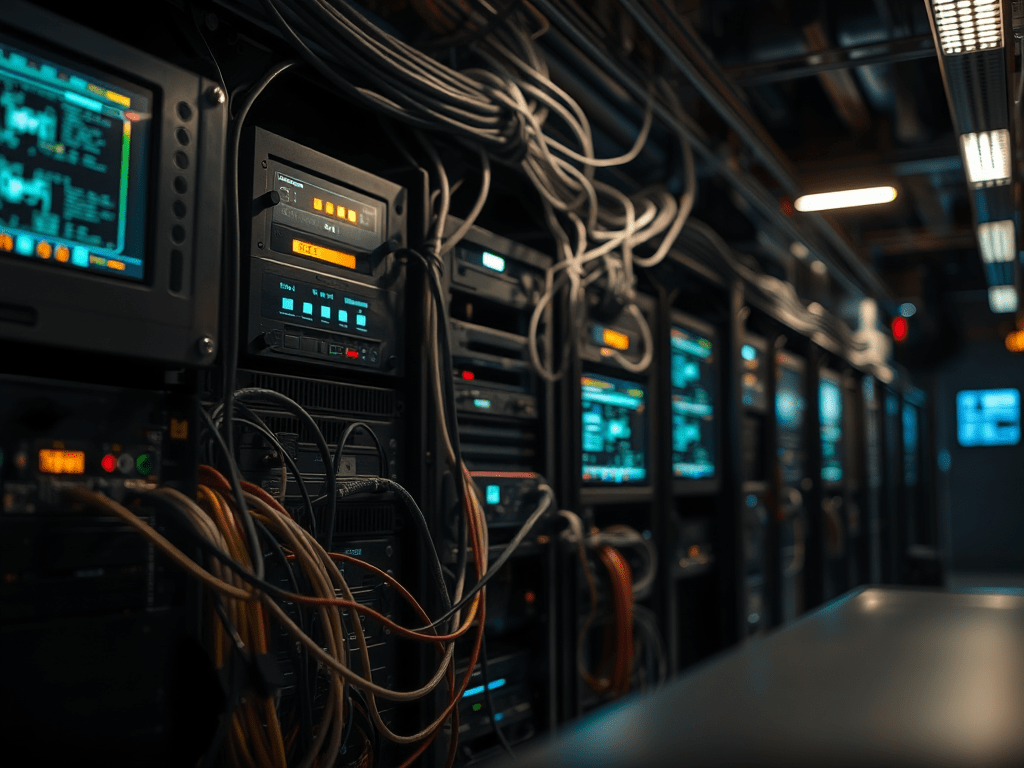
Data center/server maintenance image here – technician working on racks/cables to humanize digital upkeep
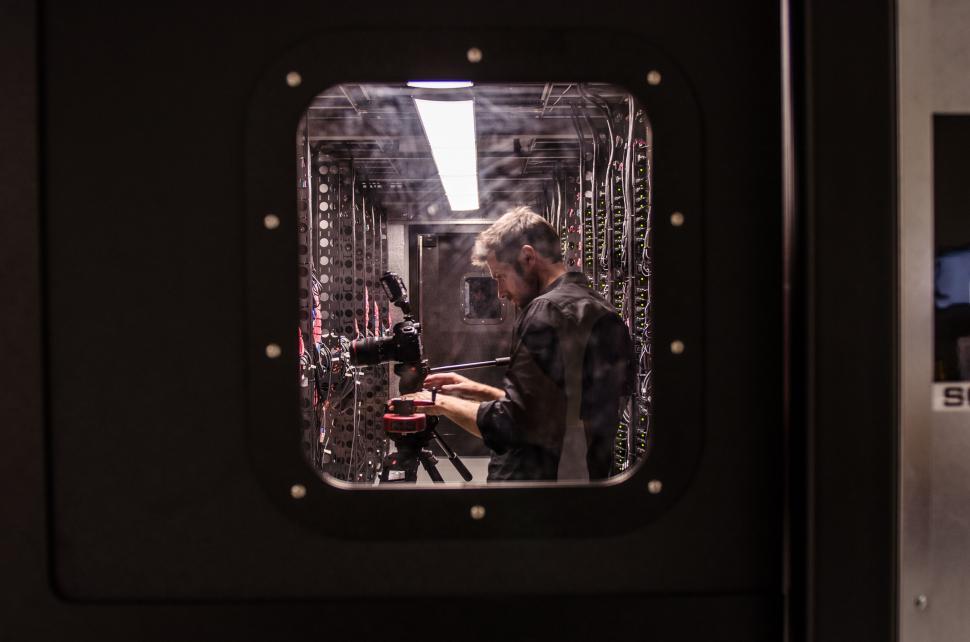
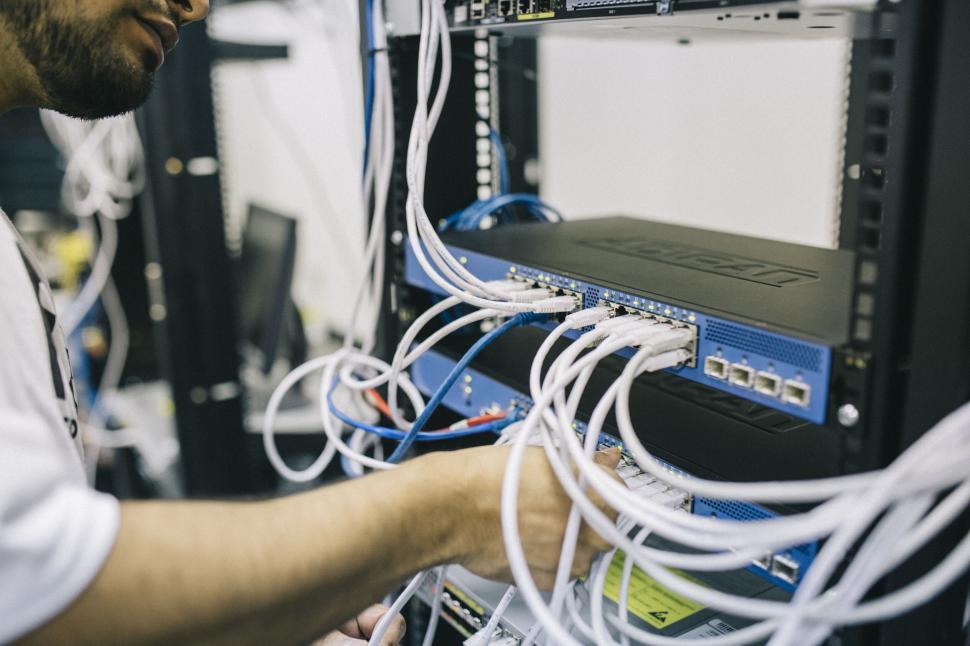
The challenge is urgent: digital infrastructure expands far faster than the people, tools, and institutions responsible for sustaining it. In an era of rapid growth, environmental pressures, and zero tolerance for downtime, maintenance is no longer background work. It is the essential discipline that decides whether our digital world holds steady—or fails when society depends on it most.
Reframing the Narrative
Innovation deserves celebration, but sustainment must take precedence. Leaders should elevate maintenance to a strategic capability: adequately fund reliability and operations teams, reward disciplined upkeep, prioritize ongoing debt reduction, and weave sustainment into the core definition of progress—not treat it as an optional afterthought.
Ultimately, the technologies that most shape our lives are not those invented with the greatest spectacle, but those kept reliably functional through persistent, often unglamorous effort. When maintenance fails quietly, everything built upon it follows suit.
In a future defined by ever-increasing complexity, true resilience comes not just from the boldest innovators, but from the dedicated maintainers. It’s time we resourced, respected, and empowered them as the real stewards of our technological world.






 Sure Media Magazine
Leave a comment