

The endless upgrade cycle is quietly making us worse at using technology even though we might feel more current than ever. Especially in urban areas such as Nairobi where almost everyone upgrades their phone or gadget after every 1-2 years.
When Shallow Familiarity Replaces Deep Mastery
Any time one replaces or gets a new phone, the interface changes, if not slightly then by a bigger margin.
Icons move, setting menus are reorganized, features get renamed or hidden, sometimes gestures are even tweaked. Just to mention a few.
We find ourselves spending a few weeks just trying to figure out where things are and how we can customize some of the settings to our preferences, not mastering them. By the time you get familiar with the new system, the next update arrives and the cycle continues. Most of us don’t bother going beyond the surface layer of our devices, provided we know how to WhatsApp, TikTok and Instagram. We are not always aware of features like: Changing advanced privacy settings, troubleshooting basic connectivity issues without having to google, using split-screen feature for multitasking and so on.
Suddenly we all get lost at some point. The constant upgrading keeps us in perpetual beginner mode all the time. The faster things change , the shallow our mastery becomes. We become very good at navigating the newest interface but very bad at understanding the system underneath.
Why Constant Upgrading Can De-skill Us
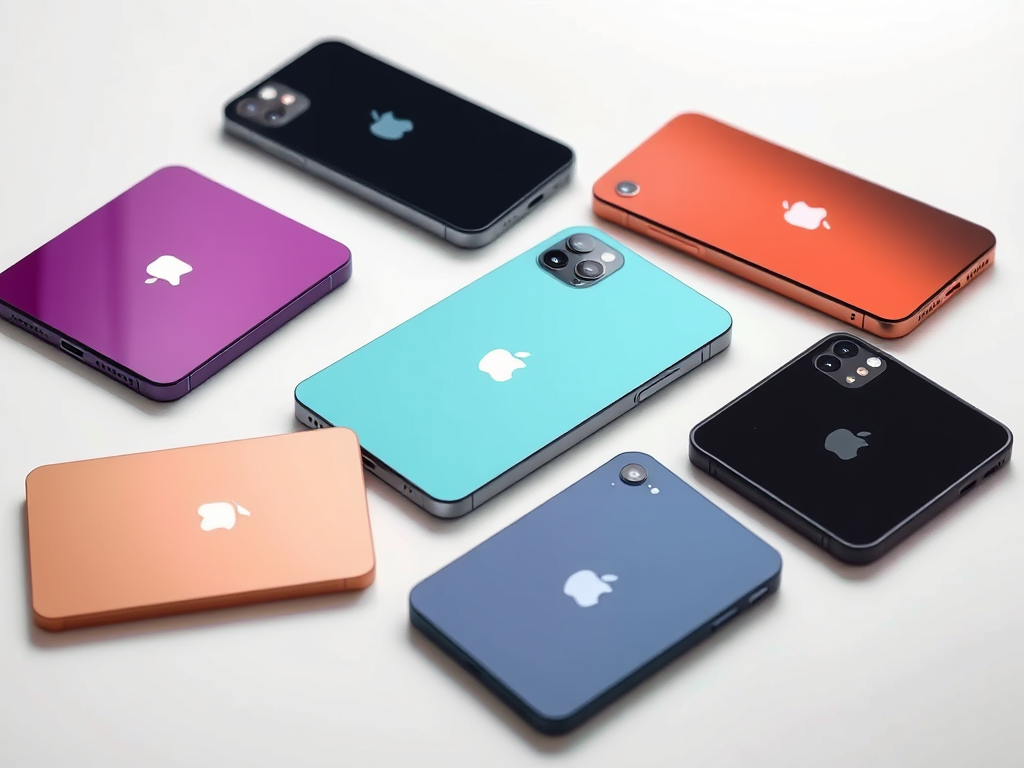
Forced context switching: Each and every time an update is done, it re-arranges menus, moves buttons, renames features and changes gestures. One has to re-learn the User interface of building deeper fluency. Over time this just trains adaptability to change rather than deep competence.
Planned obsolescence and subscription psychology: Many companies want you to feel like your current device is suddenly slow or rather outdated even when its still in a perfect condition. This keeps the upgrade cycle spinning but also keeps users in a perpetual beginner mode. Subscription psychology changes how users relate to technology. Instead of owning the experience, it gives you access to it. Value is measures monthly, not over years and paying continuously feels normal overtime.
The Google crutches effect: Because everything is searchable and discoverable in seconds, we lean on search instead of committing knowledge to memory or muscle memory. Over years this weakens our internal model of how tech actually works.
The Flip Side (It’s Not All Bad)
On the other hand, constant upgrading does bring real improvement: New accessibility features, better battery life, cameras and improved security patches. Also faster performance for demanding apps. The problem isn’t upgrading itself, its upgrading without intention, chasing shiny objects instead of mastering what we already have. As the saying goes, not all that glitters is gold.
Are We Getting Worse?
In terms of surface fluency: No, we are even faster at learning new User interface than ever. In terms of deep technology literacy: yes, For most of the people know how to use the latest phone, but fewer understands how it works under the hood or how to troubleshoot beyond “restart and update”.
Ask maybe 5 people around you if they can explain how files are organized on their phone or computer, What happens when an app is deleted , where does the data actually go or if they can turn off app tracking without googling. Most will hesitate or reach for their phone to check. That’s not stupidity, its what constant upgrading rewards: Speed of adaptation not depth of understanding.
The Hidden Cost: Dependency Over Competence

Constant upgrading doesn’t just change what devices we opt to buy, it changes how capable we feel using them. Over time, the always upgrade model has quietly replaced competence with dependency, only that most users don’t notice it happening.
Earlier generations of technology rewarded curiosity, todays devices discourages that behavior. The user has become a passenger, not a driver. Users barely adapt before the next version arrives. It’s evident that mastery takes time and the constant upgrades have reset the learning curve repeatedly.
planned obsolescence and subscription-driven design don’t just shorten device lifespans, they shorten our relationship with the skills needed to use them as well. If progress is meant to empower users, not replace them, then the future of ethical technology may depend less on what’s new and more on what lasts long enough to be understood.





 Sure Media Magazine
Leave a comment