
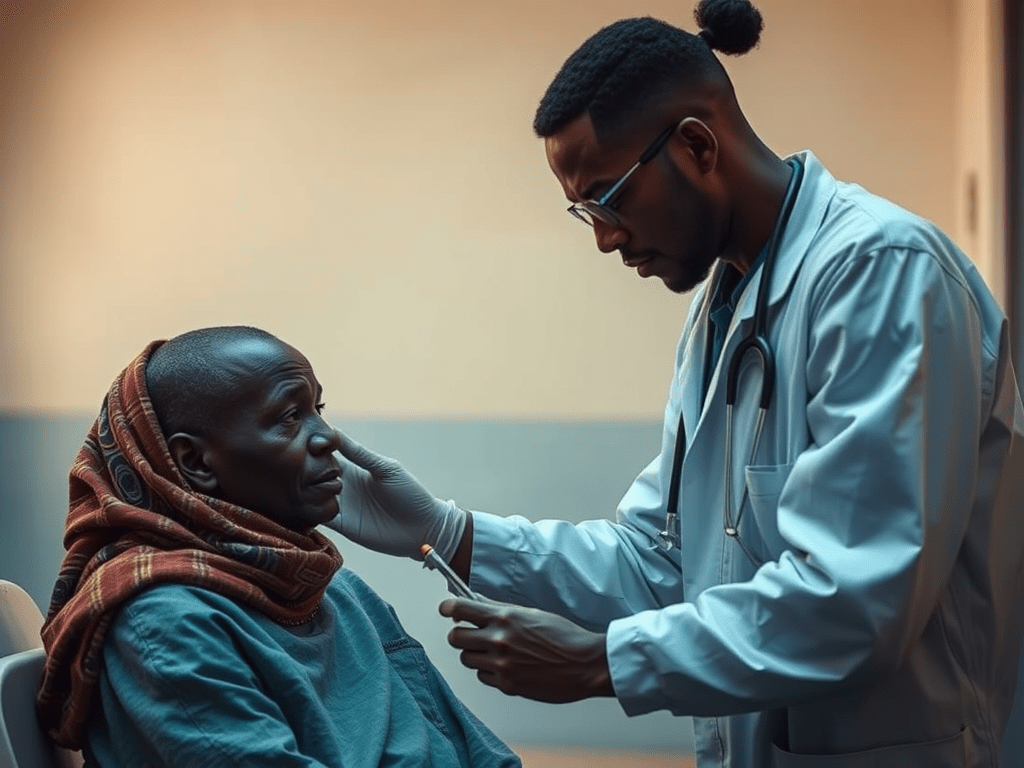
When Kenyan health records show patients admitted for surgeries they never had, and clinics billing insurers for treatments no one received, it’s not a clerical error. It’s a crisis, and it’s happening on a national scale.
Healthcare systems are meant for consultations, diagnosing and treating illnesses to enhance healing. Yet, in recent years in Kenya, there has been a dark emerging trend of illness being exaggerated, invented and even monetised. It is damages patients, undermines trust in healthcare and drains public funds meant for health. From “ghost patients” medical claims to non-existent medical procedures billings, the system is grounds for exploitation rather than public health protection.
A System Distorted by Money: When Wellness Becomes Product

Incentives are the backbone of healthcare fraud. Treatment has shifted from necessity to a commodity while the primary drivers of clinical decisions has become claim reimbursements, insurance payouts, and test revenues. Kenya transitioned from NHIF (National Hospital Insurance Fund) to SHA (Social Health Authority) as part of the UHC (Universal Health Coverage) architecture to modernize healthcare oversight. The audits conducted have unearthed fraudulent billing, non-existent procedures and inflated medical claims.
Multiple healthcare facilities have been suspended in multiple counties by authorities by late 2025. They allegedly submitted falsified invoices, billed ghost patients for admissions, and upcoded services to inflate the reimbursement amounts.
How Innocent Patients Become Part of a Scheme

A cough, a fever, a pain, all legitimate concerns of a patient in their clinical journey. However, along the way, there is a redirection of the narrative.
A push by healthcare providers for excessive testing and treatments in place of symptoms-based targeted diagnostics. An inpatient stay Numerous from a simple outpatient visit with advanced imaging and procedures from basic ailments. The higher claims justification are from retrofitted test results.
Numerous patients denied admission to several facilities that billed the SHA for inpatient and surgeries, in some of the exposed cases. The red flag for fraud investigators was other facilities claiming multiple expensive procedures done to a single patient on the same day.
The result? Taxpayers and insurers bearing the the fiscal cost of healthcare while the patient suffers unnecessary financial burdens and psychological stress.
The Phantom Clinics and Ghost Patients

A huge problem is the healthcare registries are poorly supervised and harbour unregulated providers. Insurance claims are submitted and permitted by health facilities that are not properly registered or licensed, according to the investigations, and patients who never stepped foot into the facilities are billed for medical services rendered.
A dire instance was when an individual was recruited to the scheme. A hospital stay that never occurred was supported by biometrics provided by an incentivised security guard who had no medical needs.
Gaps in the verification systems are exploited when claim approvals are tied to biometric data with such extreme tactics. This vulnerability is amplified by insurers and regulatory bodies lack of coordination plus NHIF’s outdated architecture legacy issues.
When Fraud Hits Public Health Goals
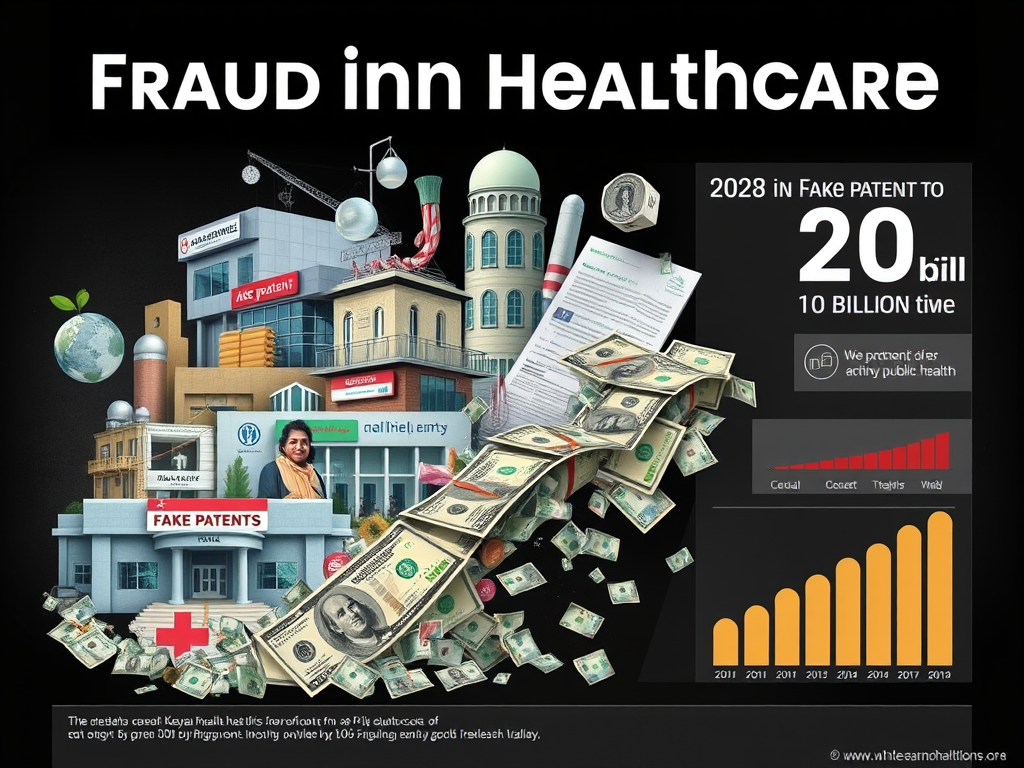
The UHC ambition in Kenya aims to make quality care accessible to all Kenyans. The goal is in jeopardy with fabricated medical claims, losing billions of shillingsin taxpayers money.
An official estimated Ksh 20 billion is believed to be lost to fraudulent NHIF claims. Thousands of people could have benefited with treatments and medicines from the funds.
Planning, resource allocation, and quality measurement are essential pillars in the strategy of public health. They are undermined by false billing, and phantom admissions when corruption of health data occurs.
The Human Toll: Beyond Numbers
Quantifying the financial cost captures scale, but misses the human pain.
Unnecessary tests are conducted on patients, they are misdiagnosed and unwarranted procedures are performed. They endure physical and emotional discomfort and stress, with the accumulation of avoidable medical bills that takes away from future medical needs. The psychological torture of finding out the meaninglessness of the diagnosis for a condition you have been treated for but don’t have is insurmountable.
Revealed documented cases show unnecessary surgical bookings with inflated procedure claims where patients sort out a second opinion, only to discover their diagnosis was misappropriated.
Why This Happens: Financial Pressures and Regulatory Gaps

Several forces converge to sustain this crisis: funding, regulation, medical ethics, technology and coordination.
Public hospitals are drowning. Underfunding for medical supplies, overcrowding of patients, and understaffing of medical personnel pushes the patients to private facilities with minimal oversight. Poverty makes patients vulnerable, fear makes them compliant.
Unregistered and unlicensed providers operate and bill. Since the regulatory bodies struggle, enforcement of laws are not carried out as they are limited in capacity, making the disciplinary processes slow. Politics plays a role in interference making prosecutions rare and sanctions temporary.
At the same time, medical ethics takes a back seat. Healthcare professionals are hardly rewarded while ethics and whistleblowing is frowned upon and carries real risk. Economically, incentive structures reward volumes, not outcomes.
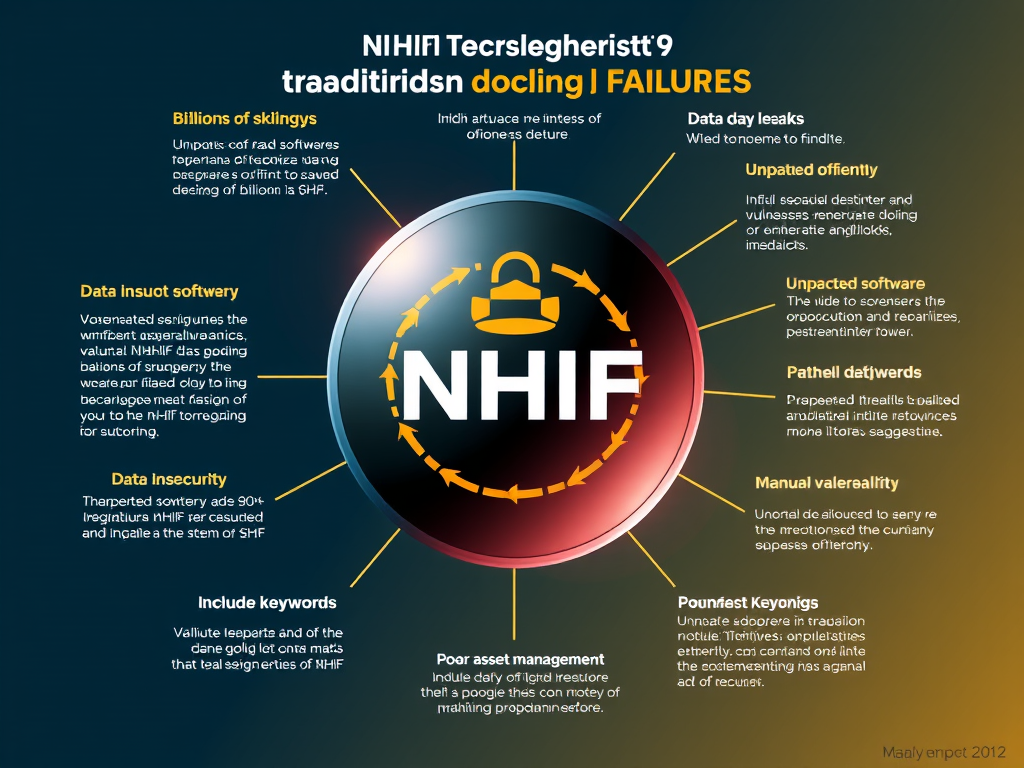
NHIF’s technology system leaked billions in shillings and data. NHIF system was susceptible to fraud and manipulation, allowed unrestricted access and data insecurity, was running on unsupported software and unpatched vulnerabilities, relied upon manual data entry which was full of errors, and had poor asset management. The cumulative effects of the vulnerabilities retired NHIF and birthed SHA.
Coordination is in the trenches. Insurers, professional councils and the government agencies are working independently rather than together, creating regulatory and service delivery congestion, hindering growth. Fragmentation causes poor regulation, inefficiencies and high cost of services, leading to slow response and underhand dealings.
These forces tempt inducing the demand for tests and treatments a patient doesn’t need. This is not merely corruption but a failure of system design.
Toward Accountability and Repair

The solution is healthcare reforms. The government’s response is facility suspensions following audits, biometric verification systems and misconduct reporting through fraud hotlines. These measures matter, but they don’t address the causes, only the symptoms.
Technology helps but governance leads. A joint taskforce between the Ministry of Health, and Medical Insurance Companies was created and agreed upon joint audit strategies and anti-fraud measures. The aim is bridging the financial gap while eliminating ghost patients, and penalising Malpractice.
Accountability is paramount to clinical and ethical standards. Authorities and professional bodies should lead in protecting the patients and enforcement of the laws. Payments should align with outcomes, not volumes. This strengthens professional accountability, protects whistleblowers and empowers patients with transparent information.
Protecting Patients: What Kenyans Should Know

For the public, awareness is essential:
- Check your providers registration and credentials.
- Normalise seeking a second opinion for major diagnoses.
- Always question the necessity of medical tests and procedures to be conducted.
- Review insurance statements for unexplained claims to reduce risk.
- Patient education, combined with stronger oversight, could reduce exploitation.
As a patient, you are not powerless. Education, not fear, is the strongest defence.
A Global Lesson with Local Resonance

Fabricated health claims in Kenya is not only a local scandal but part of a broader global conversation regarding big data misuse in insurance, medical billing fraud, and transparency in health systems. The real public health concern is the risk of “curing the healthy” while incentives are misaligned, volume is rewrd over value and verification is weak.
Kenya’s experience offers a cautionary tale for health systems everywhere.
When healthcare rewards volume over value, sickness becomes a commodity. The greatest danger is not disease itself, but a system that profits from convincing the healthy that they are ill.
Healing, after all, is not just a technical act. It is a moral one.






 Sure Media Magazine
Leave a comment