
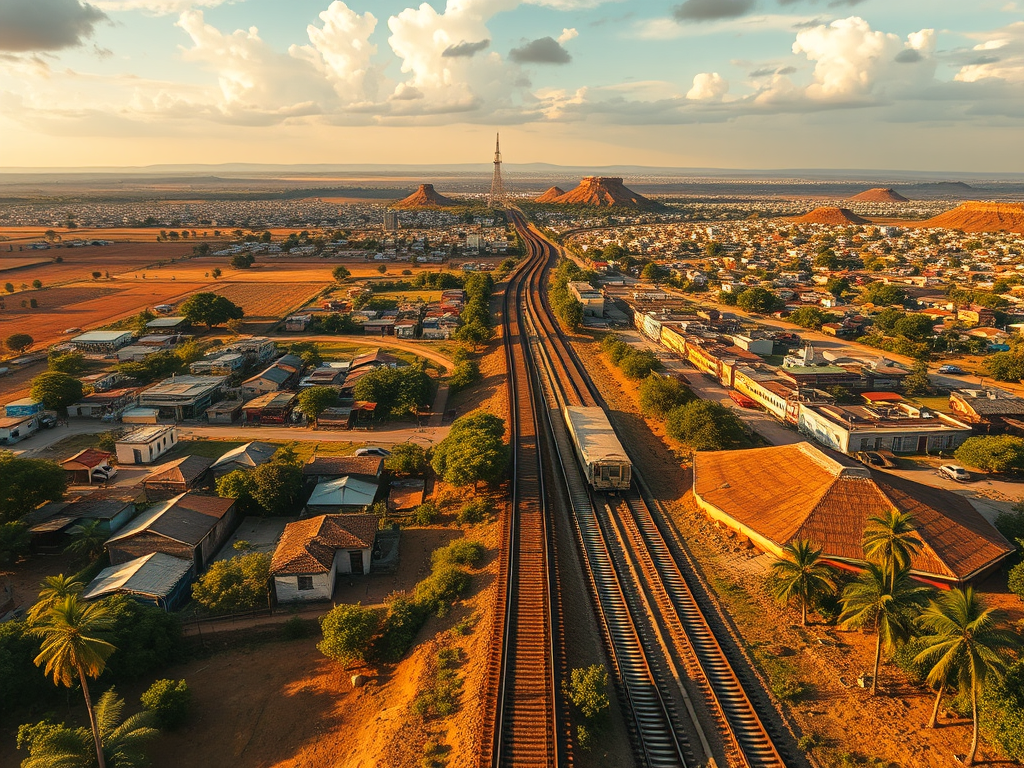
Africa enters 2026 at a pivotal juncture. Forecasts from major institutions like the IMF, World Bank, African Development Bank, and Brookings paint a picture of resilient yet fragile growth. Sub-Saharan Africa is projected to expand by around 4.3–4.6% in 2026 (with some estimates placing it as high as 4.6% from the IMF’s January update), potentially making the continent one of the world’s fastest-growing regions—outpacing Asia in nominal terms for the first time in recent memory. This acceleration builds on 2025’s estimated 3.9–4.4% growth, driven by stabilizing macro conditions, commodity demand (especially critical minerals), infrastructure investments, and the expanding African Continental Free Trade Area (AfCFTA).
Yet, this optimism is tempered by deep structural challenges. High debt burdens, refinancing cliffs, limited job creation, and a wave of elections risk derailing progress. Meanwhile, Africa’s booming youth population—over 60% under 25 in many countries—demands accountability, jobs, and inclusion, fueling activism and protests that could reshape governance and policy.
Economic Momentum: Drivers of Hope
Several factors underpin the positive outlook:
- Commodity and Minerals Boom — Rising global demand for lithium, cobalt, and other critical minerals positions resource-rich countries like the Democratic Republic of Congo, Zambia, and South Africa for gains. A weaker U.S. dollar eases debt servicing in some cases.
- Regional Integration and Trade — AfCFTA implementation accelerates, creating a single market of over 1.4 billion people and boosting intra-African trade in goods, services, and digital sectors.
- Infrastructure and Energy — Rail expansions, renewable energy projects, and private investment drive growth, particularly in East Africa (projected at ~5.8% in some subregions, led by Ethiopia and Kenya).
- Macro Stabilization — Reforms in major economies (Nigeria, Egypt, South Africa) and accommodative policies support recovery.
East and West Africa emerge as hotspots, with countries like Rwanda, Uganda, Tanzania, and Ethiopia often exceeding 6–7% growth in projections.
The Shadows: Debt Distress and Fiscal Constraints
Despite growth, debt remains a central threat. Africa’s public debt-to-GDP ratio hovers around 63%, with debt service absorbing 15–40% of revenues in many nations. Over half of low-income countries face high debt distress risk.
- Refinancing Challenges — 2026 brings major repayment cliffs, with external debt service projected to exceed $100 billion continent-wide. Countries like Kenya, Angola, and Nigeria face tight rollovers, turning to domestic markets or bilateral partners (e.g., China) at potentially higher costs.
- Limited Fiscal Space — High interest payments crowd out investments in health, education, and infrastructure. Declining official development assistance (ODA) and tight global credit add pressure.
- Inequality and Jobs Gap — Growth creates few formal jobs—only ~3 million annually against 12 million youth entering the labor market. This fuels poverty persistence and urban strain.
Innovative solutions are emerging: mobilizing domestic resources via natural wealth, diaspora philanthropy, and reforms to sovereign credit ratings. Brookings’ Foresight Africa 2026 emphasizes unlocking $245 billion+ in annual financing needs through better resource management and self-reliance.
Political Flashpoints: Elections and Governance Tests
2026 is a major election year, with polls in over a dozen countries testing democratic resilience and policy continuity.
Key votes include:
- Uganda (January) — Longtime leader Yoweri Museveni faces scrutiny amid Gen Z challenges and succession questions.
- Benin (parliamentary in January, presidential in April) — Recent tensions and foiled coup attempts highlight instability risks.
- Republic of the Congo (March) — Incumbent Denis Sassou Nguesso seeks to extend his long rule.
- Ethiopia (June) — Post-conflict stability and economic reforms are at stake.
- Others: Djibouti, Cape Verde, Cameroon, and preparations in larger nations like Angola and Nigeria (2027 cycles looming).
Elections often bring policy uncertainty, fiscal stimulus (or populism), and volatility. Gen Z activism—digitally networked and vocal on unemployment, corruption, and inequality—could amplify calls for change, as seen in recent protests. Outcomes will influence reform continuity, investor confidence, and regional stability.
Youth and Society: From Pressure to Dividend
Africa’s demographic bulge is both risk and opportunity. By 2050, the population could double, with youth driving innovation in tech, green energy, and creative industries. Yet frustration over joblessness and governance fuels unrest.
Positive trends include youth-led entrepreneurship, digital inclusion, and climate action. Brookings highlights turning this into a “workforce dividend” through skills alignment, market access, and agriculture transformation. If harnessed, it could power sustainable growth; ignored, it risks deeper instability.
Looking Ahead: Agency and Opportunity
2026 could mark a breakthrough if Africa leverages its assets: young workforce, vast resources, continental market, digital potential, and agricultural base. Priorities include debt restructuring (via G20 frameworks or innovative refinancing), deeper AfCFTA implementation, green/minerals economies, and youth empowerment.
Regional leadership—through unified voices on global forums, South-South ties, and domestic reforms—will be key amid shifting geopolitics (e.g., U.S. policy changes, multipolar influences).
Africa’s future hinges on converting challenges into self-determined progress. Growth is resilient, but inclusive, jobs-rich development requires bold action. As Brookings notes, the continent stands at a crossroads—2026 could define whether it veers toward prosperity or deepened crises.
This article draws on recent analyses from the IMF, World Bank, Brookings’ Foresight Africa 2026, Chatham House, and other sources for a balanced view of the continent’s trajectory.



 Sure Media Magazine
Leave a comment