
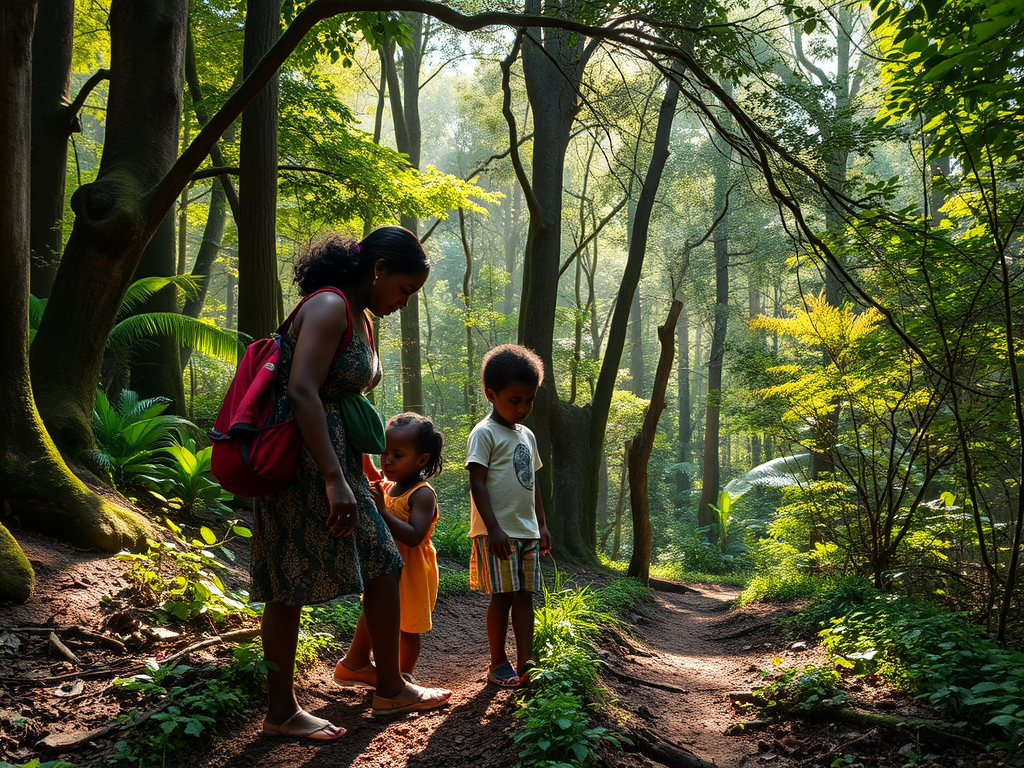
In Kenya, green spaces are far more than untouched patches of land awaiting development. They are vibrant, living entities—already brimming with purpose, memory, and human connection. From the dense canopies of ancient forests to the endless golden savannahs, these landscapes weave together nature and human stories in ways that are inseparable and enduring. They are places where life unfolds: children discover wonder, families rebuild bonds, communities gather, and cultures breathe. In a nation navigating rapid urbanization, economic pressures, and climate shifts, green spaces quietly hold Kenya together, offering stability, resilience, and a shared sense of belonging.
These landscapes are not mere backdrops; they are active participants in daily life. Towering trees filter sunlight into dappled patterns on forest floors, while open grasslands ripple under the wind, carrying the calls of wildlife and the laughter of people. Green spaces sustain biodiversity, regulate climate, and provide resources, but their deepest role is human: they nurture emotional well-being, cultural continuity, and social cohesion. As Kenya urbanizes at one of the fastest rates in Africa, with cities like Nairobi expanding rapidly, the preservation of these spaces becomes a matter of national identity and survival.
Karura Forest in Nairobi exemplifies this urban-nature harmony. Once threatened by illegal logging and encroaching development, it was saved through fierce community activism led by figures like Wangari Maathai and the Friends of Karura Forest. Today, this 1,041-hectare urban forest serves as a vital green lung for the capital. Families flock to its well-maintained trails, where children explore the textures of soil and bark, and adults find moments of peace amid the chaos of city life. The forest’s waterfalls, caves, and lakes create natural playgrounds, while shaded paths invite reflection and exercise.
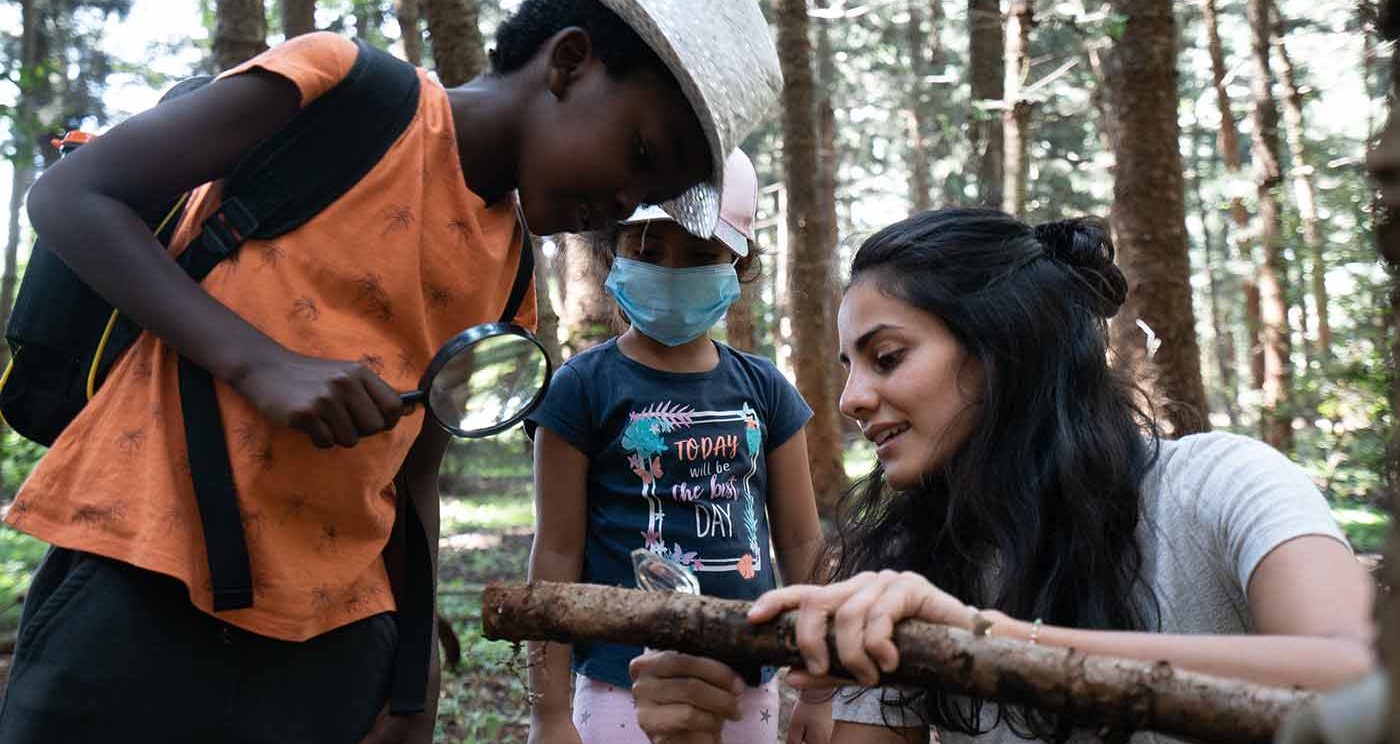

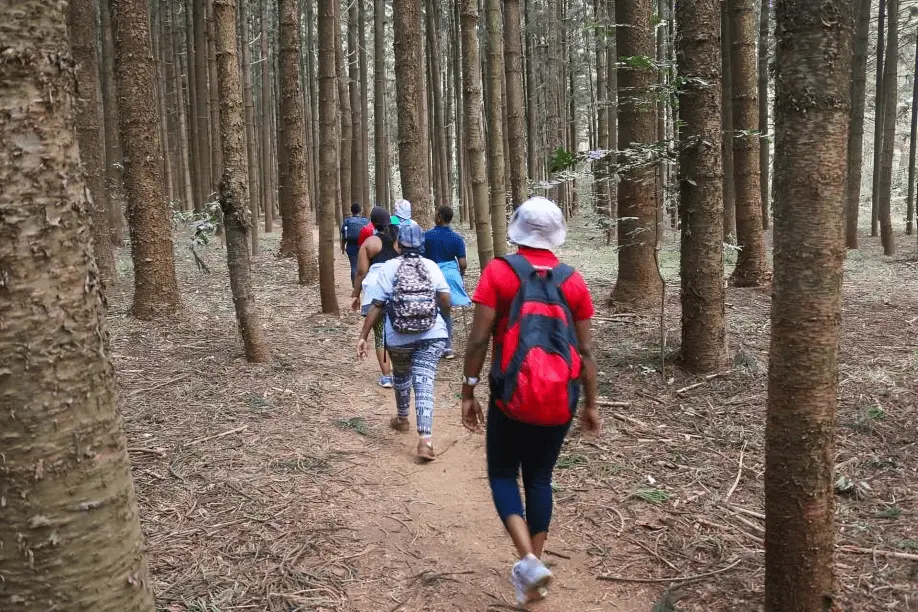


For many Kenyan families, green spaces provide something increasingly rare: unhurried time together. In an era dominated by screens and demanding schedules, these areas allow parents and children to reconnect through simple shared moments—picnics on grassy clearings, games of tag under trees, or quiet walks where conversations flow naturally. These experiences become emotional anchors: the memory of laughter echoing through the forest, a child’s wide-eyed discovery of a butterfly, or a parent slowing down to truly listen. In a world where time is fragmented, these spaces restore belonging without demand or expectation. Studies show that such interactions strengthen family bonds and foster emotional security, particularly in urban environments where space is limited.
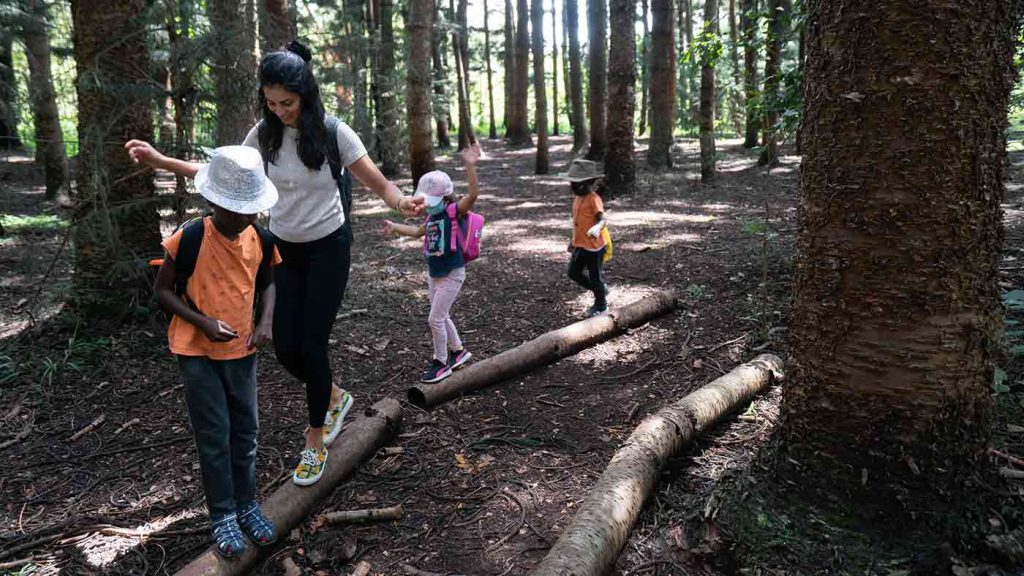

Beyond family life, green spaces serve as vital social commons. They bring together people of different ages, ethnicities, and backgrounds—creating spaces where interactions happen organically. Fitness groups jog along trails, community events unfold under open skies, and informal gatherings strengthen ties. In urban areas like Nairobi or rural settings alike, these places counter the isolation of modern life. A casual walk can spark a conversation, repeated visits build familiarity, and shared experiences nurture trust rooted in common ground. Recent community-driven initiatives in Nairobi, such as the revival of City Park and Uhuru Park, demonstrate how these spaces host cultural celebrations, youth mentorship programs, and even urban farming, fostering social cohesion in densely populated neighborhoods.
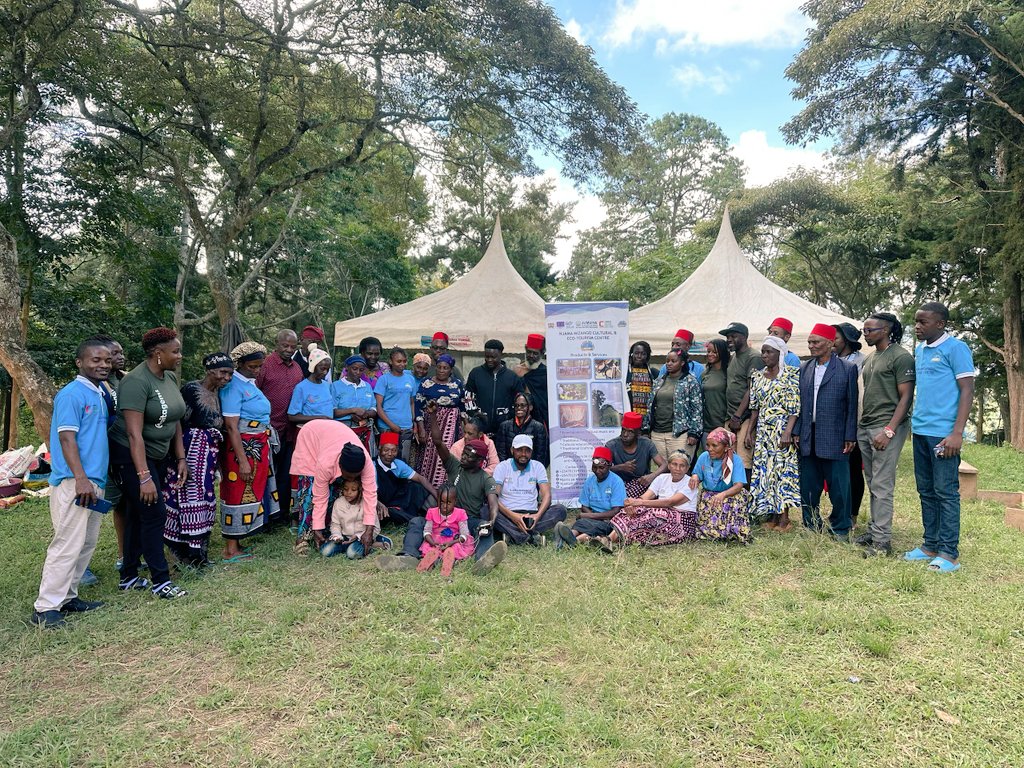

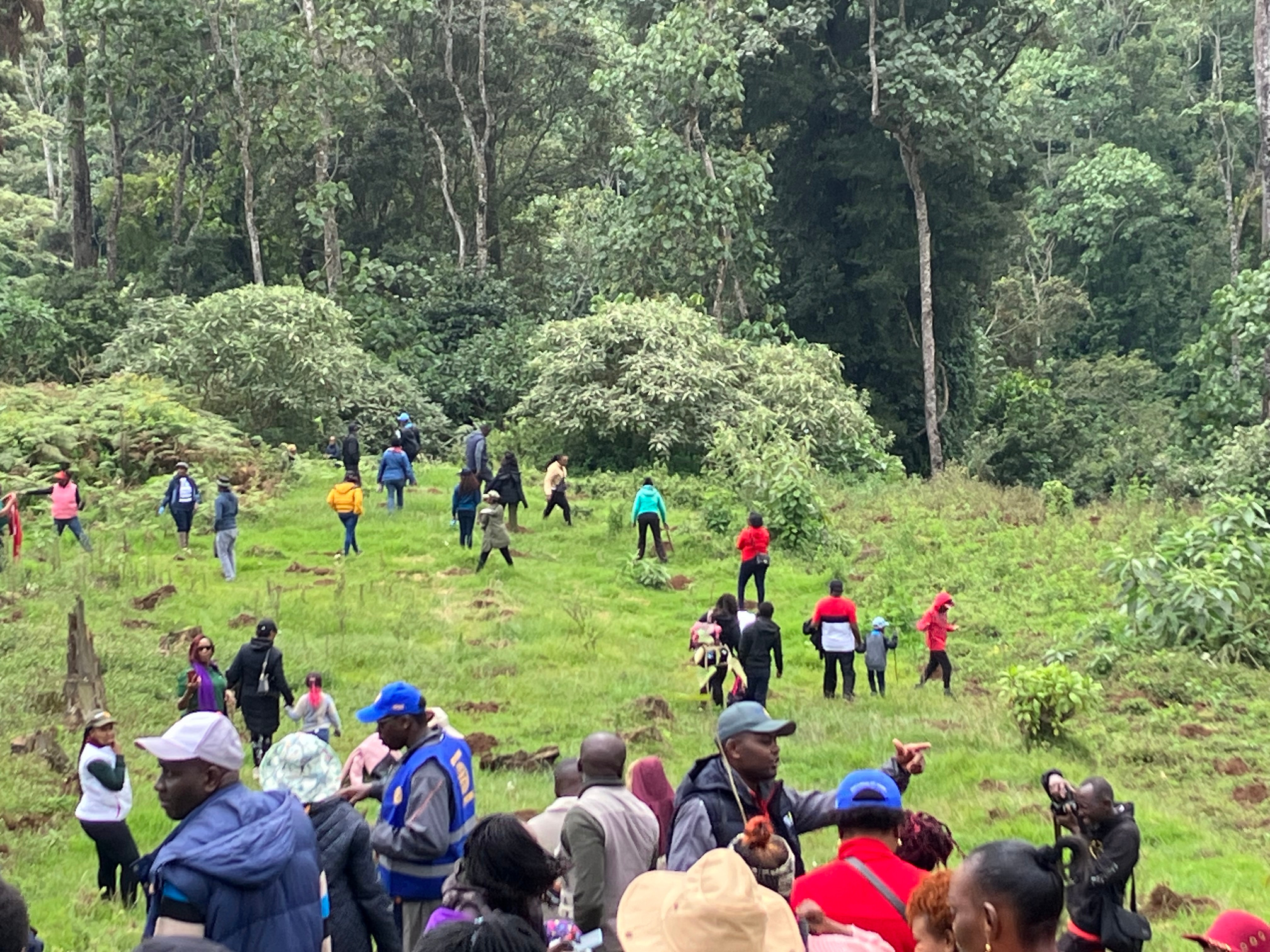
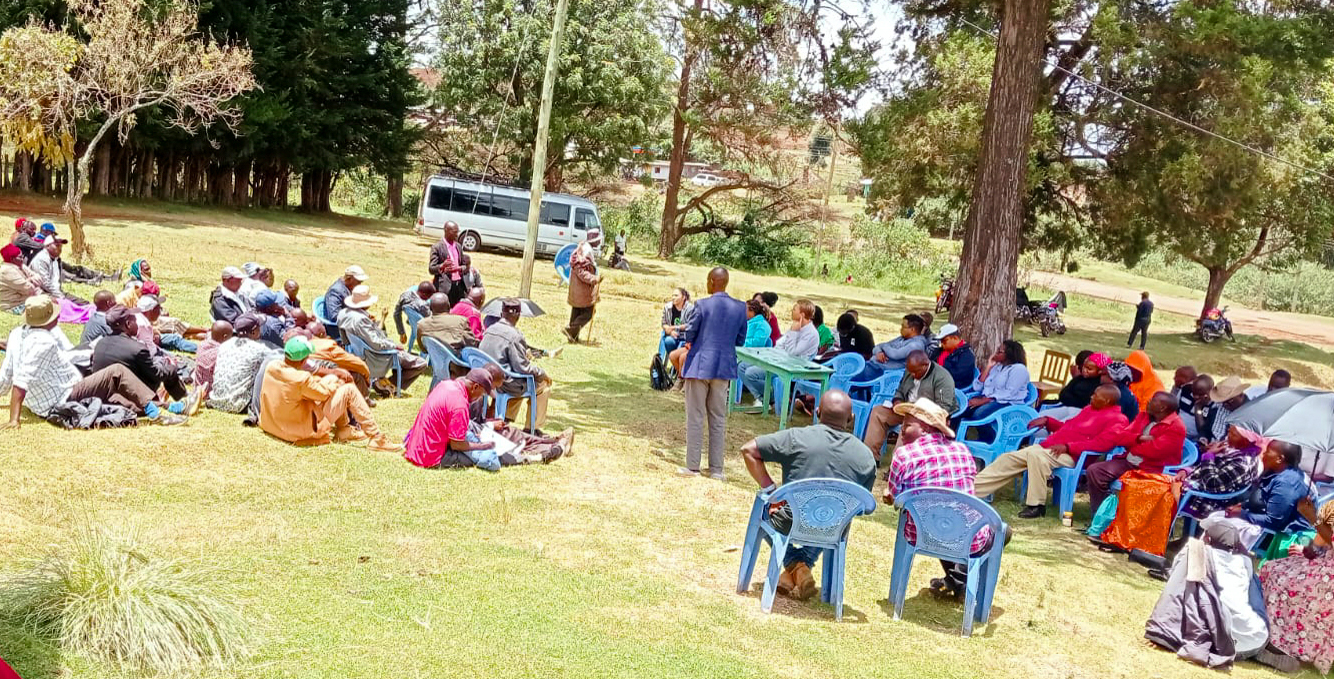
Kenya’s rich diversity—ethnic, cultural, and generational—finds natural expression in these spaces. People bring their own traditions, stories, and rhythms into the same landscapes, reinforcing coexistence without forcing uniformity. They remind us that, despite differences, we share the same land, air, and future.
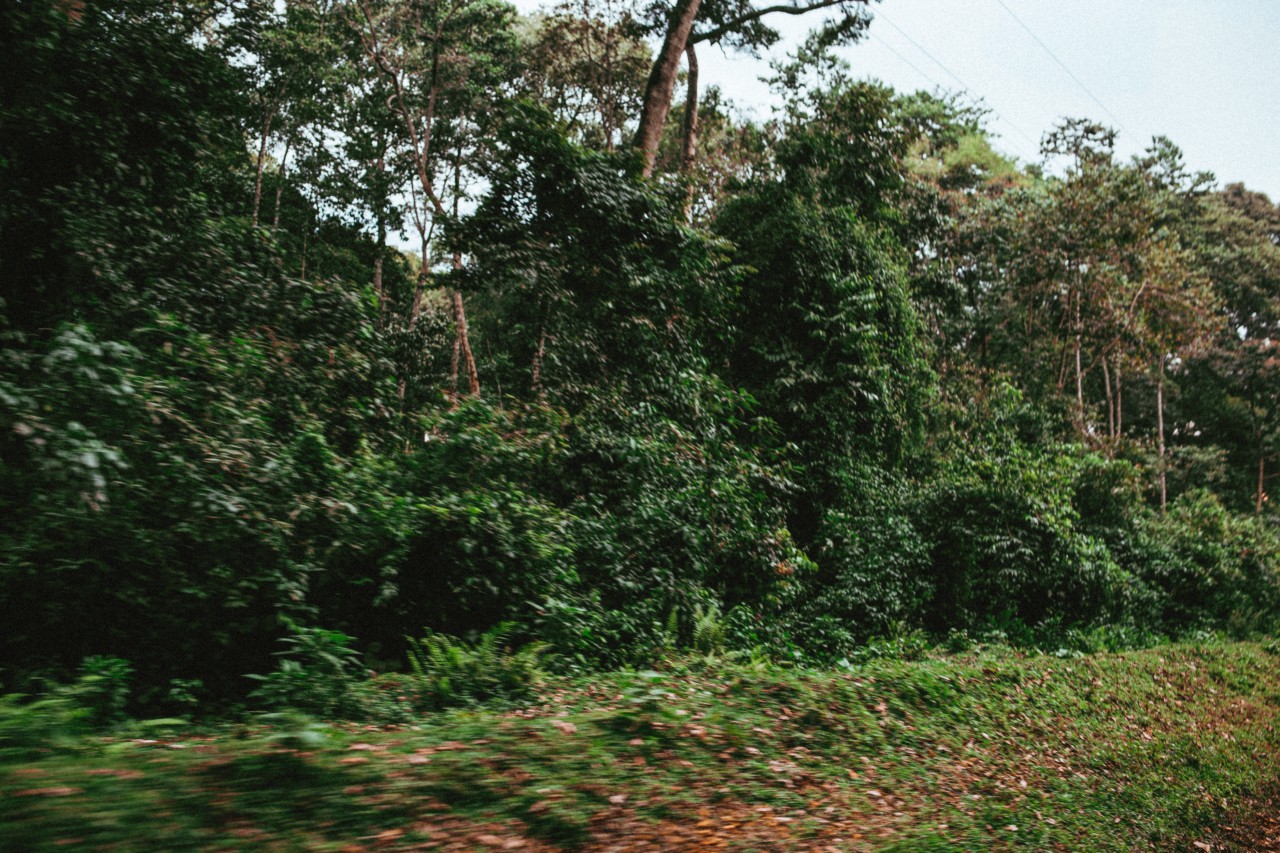
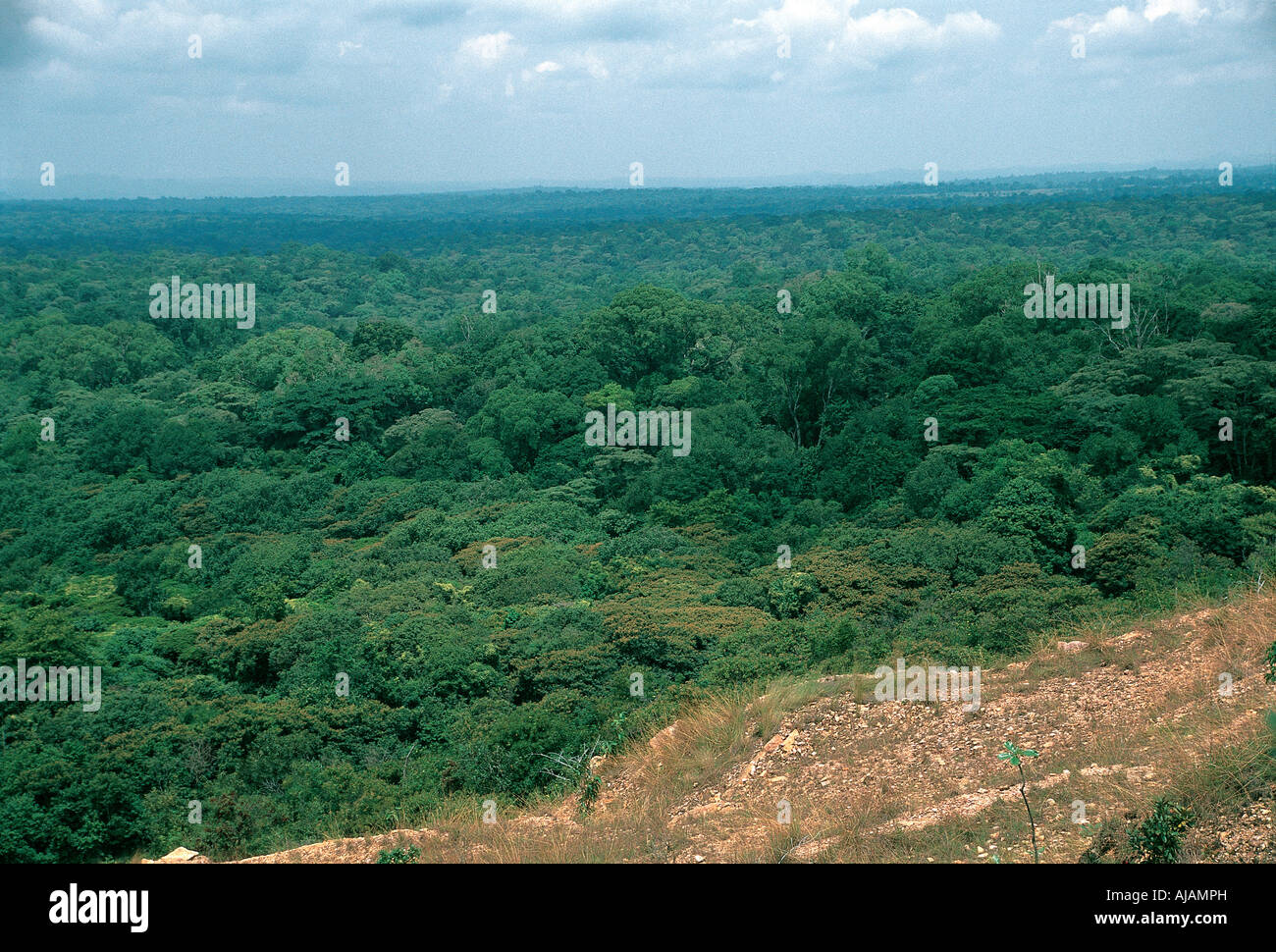
Cultural identity in Kenya is profoundly tied to the land. Forests, rivers, hills, and grasslands carry deep meaning and memory. Kakamega Forest, Kenya’s only remaining tropical rainforest, embodies this connection. Covering about 238 square kilometers in western Kenya, it is a living archive of ecological richness and indigenous knowledge. The Luhya community, who have lived alongside the forest for generations, view it as a source of medicine, spiritual guidance, and cultural continuity. Traditional practices, storytelling, and ceremonies are rooted here, with knowledge of plants and seasons passed down through direct experience. As modern pressures mount, these connections provide grounding—a sense of identity rooted in place for younger generations.

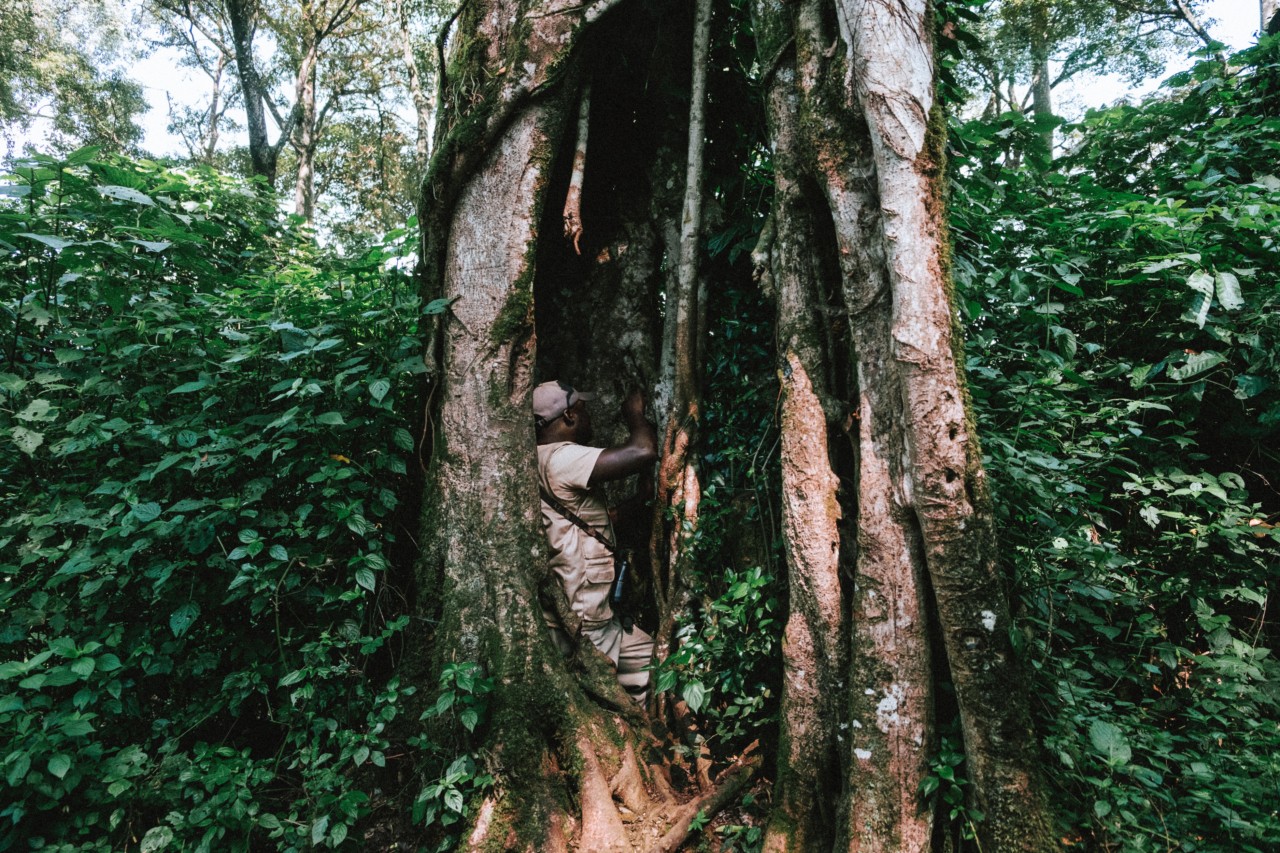

In such spaces, culture is lived rather than archived. Green spaces also act as informal classrooms. Children learn patience by observing how ecosystems respond to care or neglect, fostering values of responsibility and respect that extend into daily life.
The emotional power of these spaces is profound yet often understated. In a country facing economic strain, climate uncertainty, and social change, many carry unspoken stress. Nature provides relief without words—a walk through filtered light, the stillness of a lake, or the vast openness of grassland allows the mind to settle. For those seeking clarity or healing, green spaces offer solitude without isolation, accessible support in contexts where mental health resources may be limited.


Physical health benefits flow naturally too. Trails encourage movement—walking, jogging, play—accessible to all, regardless of income. Children build strength through exploration, adults stay active through enjoyment, and elders maintain mobility and connection.
At a national level, green spaces are essential infrastructure. Forests like the Aberdares protect vital water catchments supplying rivers, farms, and cities. Wetlands mitigate flooding, trees cool urban areas, and grasslands sustain biodiversity and pastoral livelihoods. As climate change intensifies droughts and erratic rains, these ecosystems absorb shocks that would otherwise devastate vulnerable communities.


Tourism in national parks and conservancies generates economic value, supporting jobs and community involvement. Community-based models in places like the Maasai Mara ensure that revenue flows back to local people, promoting collaborative conservation.
Yet the deepest worth lies beyond numbers—in dignity through access, resilience through continuity, and connection to something greater.
As urbanization accelerates, pressure on land mounts. Development often prioritizes short-term gains over long-term sustainability. When green spaces vanish, communities lose gathering places, families lose shared environments, and culture loses living context.
Protecting these spaces demands intentional policy, community engagement, and recognition of land as shared inheritance. Preserved, they continue to nurture memory, healing, learning, and belonging.
Kenya’s green spaces hold stories that cannot be relocated. They are where children learn freedom, communities forge bonds, culture stays alive, and resilience is practiced daily. In their shade and openness, nature and human life meet, shaping one another across generations.
In an era of rapid change, these landscapes offer constancy. They remind Kenya of continuity amid transition, providing balance and a path forward rooted in care, connection, and shared purpose.




 Sure Media Magazine
Leave a comment