
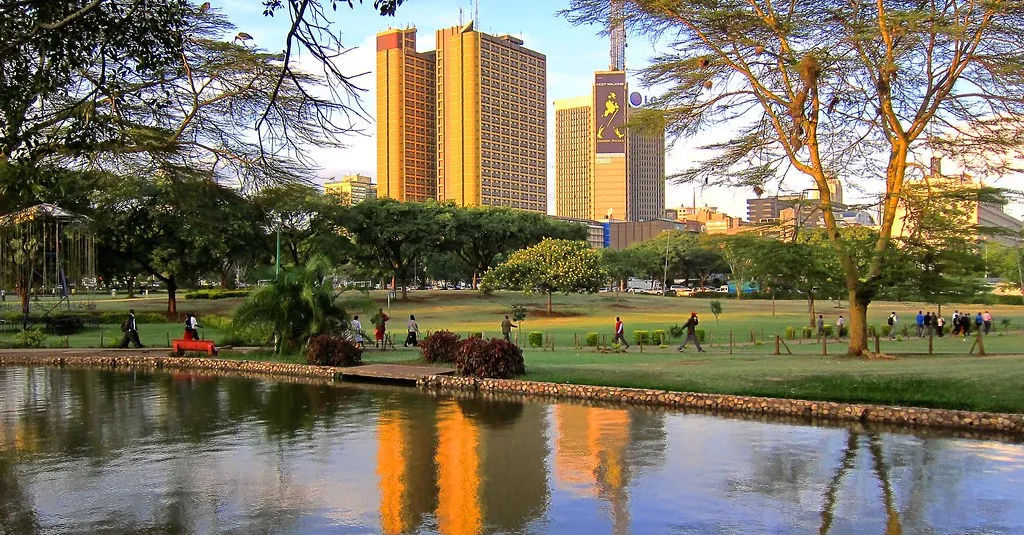
For decades, Nairobi held the title of envy for the region: The Green City in the Sun. But that’s a moniker it had earned through a lush canopy of indigenous trees, through its vast wetlands, and a climate so temperate it felt perpetually like spring.
A drive through the once lungs of the city today Kilimani, Kileleshwa, and Lavington does not tell that story. Instead, the chirp of birds has been replaced by the roar of cement mixers, as the skyline once dominated by Jacaranda and Nandi Flame trees now bears a jagged silhouette of high-rise apartments.
With the city racing to reach a population of 10 million by 2050, the balance between concrete and conservation has tipped precariously. Is it too late to turn back the clock, or can Nairobi balance its concrete ambitions with its green heritage?
The Grey Invasion
The change in Nairobi is not random; it is due to fast-paced urbanization and aggressive real estate development. In 2017, the government of Nairobi City County changed the zoning of some of its affluent suburbs to accommodate high density multi-dwelling units. Although this is aimed at responding to the perennial housing deficit, it has been quite chaotic.
Developers ignore laws about the minimum green area needed compared to the area used for development. Where a single bungalow with a large garden would lie side by side with other homes, today high-rise buildings housing 50 families would appear, which would use every inch of land for parking lots.
As estimated by Global Forest Watch statistics, tree cover in Kenya oscillates perilously. The tree cover in Nairobi is steadily decreasing at an alarming rate in order to create the “concrete jungle.”
The Cost of Losing the Green
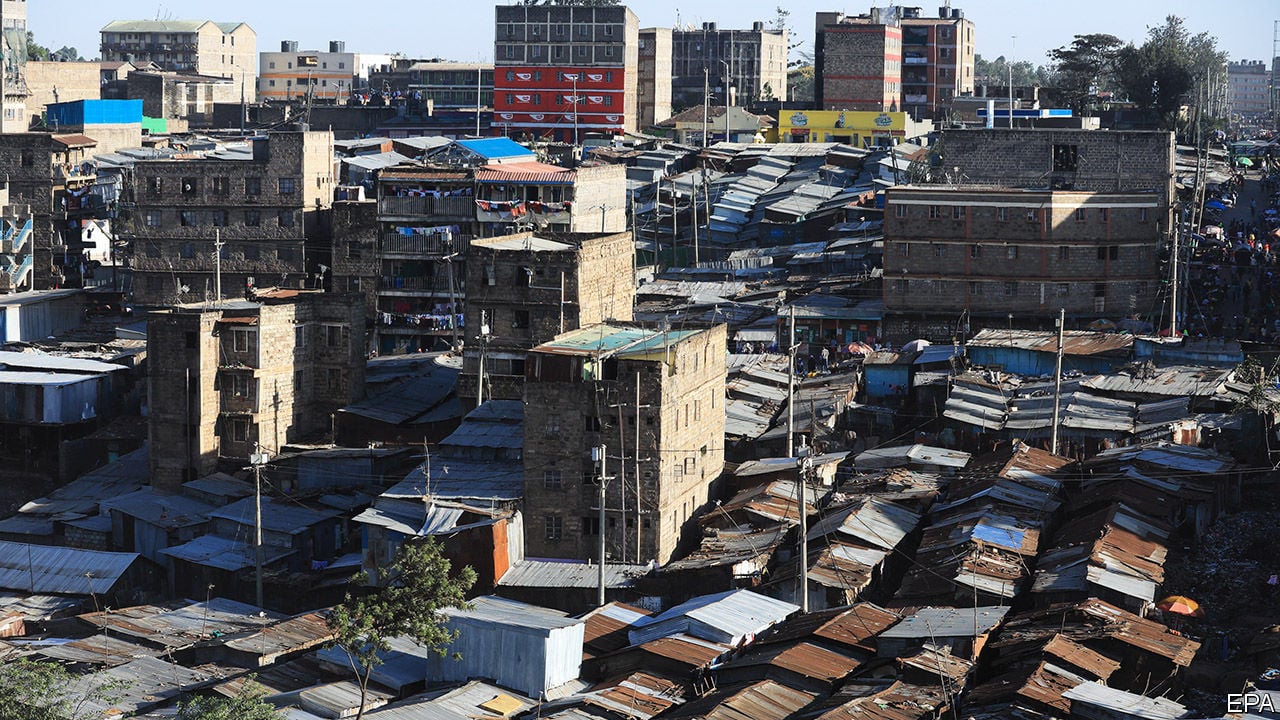
The loss of vegetation is more than a aesthetic concern and is, in fact, a public health crisis and economic issue.
1. Urban Heat Island Effect: This effect ranges in that concrete and asphalt trap the sun’s heat more than other landscape materials. With the reduction of trees in Nairobi city due to construction activities, the city has become hotter than it used to be.
2. Flooding/Drainage: Tree cover and open ground provide a natural sponge effect. However, with the ever-increasing paving of Nairobi, the result is that there is nowhere for the rainwater to go, thus causing floods that are seen during rainy seasons on Mombasa Road and South C.
3. Air Quality: Nairobi’s air quality regularly exceeds the WHO guidelines for safety. Trees provide natural pollution filtering ability a reduction in tree population combined with increased vehicles on the road is a dangerous mix with regards to respiratory health issues. A report by “The State of Global Air” underlines the emerging risk level of particulate air pollution in African countries’ expanding cities.
The Battle for Public Spaces
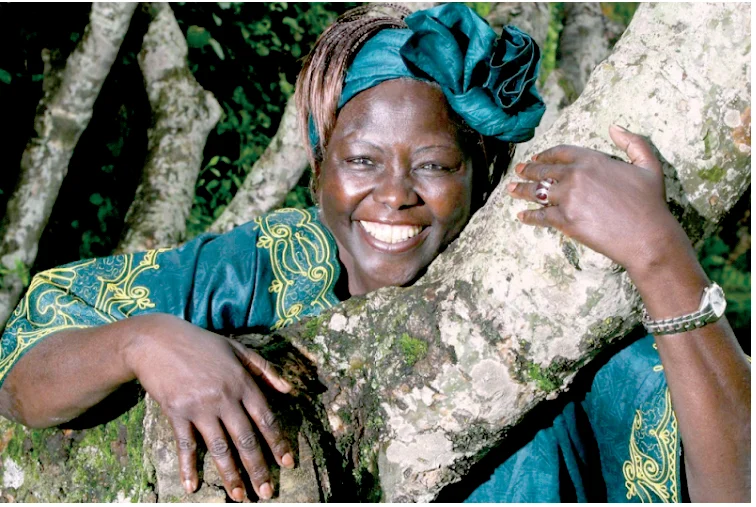
However, in the midst of all the gloom, the legacy of Wangari Maathai continues to live on. One of the best environmental success stories in Africa is in Nairobi itself. This is Karura Forest, which was intended for unauthorized development but is now a thriving green oasis for the city.
Similarly, the rejuvenation of Michuki Park along the Nairobi River demonstrated that with political will, it is achievable. However, such victories are irregular. The challenge now is that the Nairobi River Commission has the brief to clean up the river basin. This involves the removal of illegal settlements on the riparian land, an issue that is socially complex.
The Path Forward: Policy and Action
To regain the “Green City in the Sun” status, it will take more than nostalgia.
- Enforcement of zoning: NEMA and the Nairobi County Government need to ensure that the Physical and Land Use Planning Act is followed. For instance, building licenses need to be granted provided that a percentage of green space and investment in water harvesting are retained.
- Vertical Forests and Green Roofs: If we are going to build up, then we must build up green space as well. Singapore is at the forefront of this initiative and requires that any lost green space is compensated for through vertical gardens and roofs.
- 15-Minute City: Urban design needs to focus on non-motorized transport systems. Emphasis on pedestrians’ and cyclists’ pathways rather than road development helps ensure that tree lines along the roads stay intact so that walkers can be shaded.
Conclusion
Nairobi is at a crossroads. The city can either continue on a path of progress and development where it has lost its soul and is now “unlivable heat traps,” or instead turn toward more sustainable forms of development. The half-built skyscrapers standing in Kilimani are indicative of progress and development taking hold, but this is development “suffocated by the absent presence of nature.”
To reclaim its trademark, Nairobi does not have to stop constructing; it has to begin to breathe. The “Green City in the Sun” exists somewhere deep down under layers of concrete waiting for a crack in the pavement.
References & Further Reading:
- UN-Habitat Kenya Country Programme: View ReportFriends of Karura
- Forest: Visit Site
- NEMA Kenya Regulations: nema.go.ke




 Sure Media Magazine
Leave a comment