
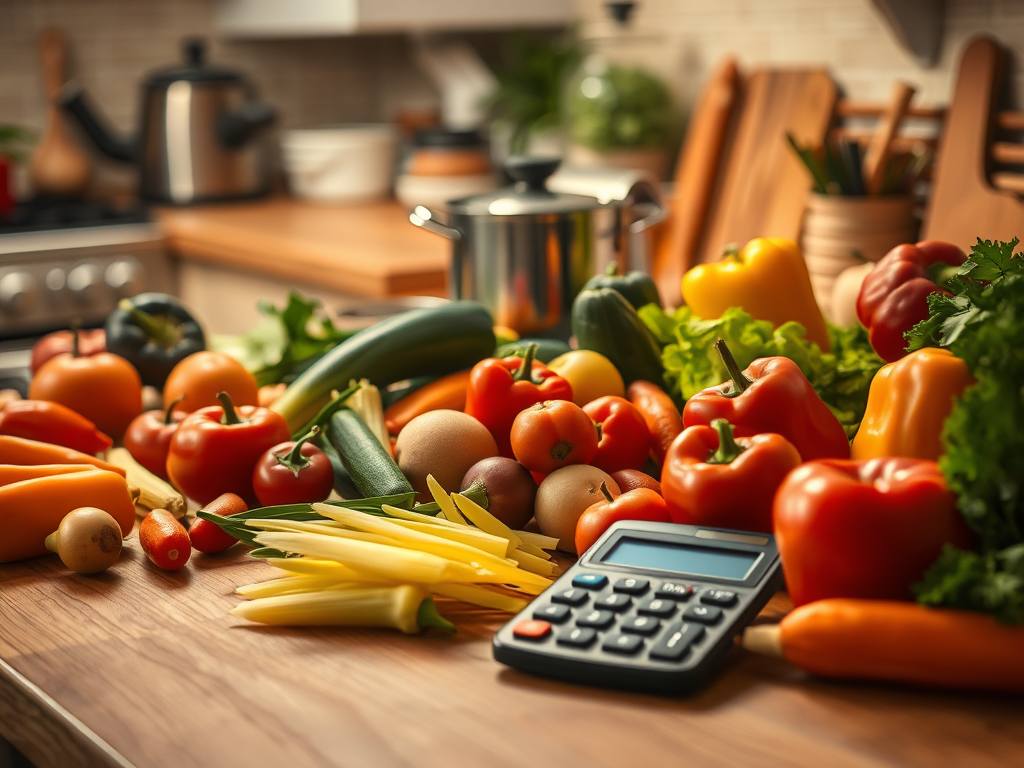
At one point, preparing meals at home was considered a cost-cutting step. You purchased products, cooked large quantities, and spread them out over days as you filled the kitchen with the homely smell of onions frying in oil, tomatoes cooking into a stew, and something that warmed up on the stove.
Most of us have been shaking our heads in the supermarket, however, lately. Oil prices are higher, tomatoes are unexpectedly more expensive, and even the simplest foods are more expensive. Restaurants promote the cheapest combos, and food delivery systems plunder our pockets.
In my case, the query could not be overlooked on a Monday morning when, looking at a shopping bill, I felt that the legislation was heavier than my backpack during a ride on the matatu. I was accustomed to thinking it would be cheaper to cook at home than to buy mandazi, samosas, or a plate of nyama choma at the local makeshift restaurant. Still, as food prices went up and the inflation rate increased, the equation was no longer as simple as it used to be.
I therefore resolved to quit the guesswork, and I conducted a small experiment of tracking all the meals and money spent over seven days; I compared the price of cooking the meal at home with going out to eat food, to establish whether cooking at home still actually saves money as well as providing the flavour and satisfaction which we all anticipate.
How I Ran the Numbers
I structured the week with:
- Breakfasts: Oats, eggs, or plain tea and bread.
- Lunches: Ugali, rice meals, stews, and salads.
- Dinners: Rapid stir-fries, chapati, and vegetables, and the grilled chicken that is occasionally consumed.
For each meal, I tracked:
- Grocery cost per portion
- Time spent cooking
- Leftovers or waste
- Similar price in a restaurant or for takeout.
Home vs Eating Out: The Statistics.
| Savings are significant if no extravagant ingredients | Home Cooking (KES) | Eating Out (KES) | Difference | Notes |
| Breakfast | 50 | 90 | -40 | Bread, eggs, tea vs small café meal |
| Lunch | 120 | 250 | -130 | Ugali, sukuma wiki, stew vs street plate |
| Dinner | 200 | 350 | -150 | Chapati & vegetables vs takeout chicken |
| Weekly Total | 2,100 | 3,850 | -1,750 | Savings significant if no extravagant ingredients |
When the food is cooked in batches, the price per portion becomes lower. Leftovers can be used for lunch the following day.
Surprises I Found
- Staples are not necessarily cheaper. Inflation has increased the prices of maize, wheat, and cooking oil. Even a bag of flour can be almost as expensive as a quick bite at a street stand.
- Time is a hidden cost. Preparing dinner can take 40-60 minutes. At that point, including the cost of your time and money (e.g., gas or electricity), the overall cost of particular home-cooked food is similar to, or even higher than, the price of takeout.
- Waste matters. I have learned that purchasing vegetables in large quantities is more economical, but may also lead to wastage if proper prior planning is not done. A sukuma stalk that I lost in the compost contributed to my week of the cost of the forgotten item.
- Points are made on flavour and nutrition. Home-cooked meals were more appetizing, fresher, and costlier and capable of being adapted to my taste, which nothing in the street could match.
Understanding Sensory Benefits Slightly Beyond the Numbers.
As significant as the numbers are, there are benefits of cooking at home that cannot be measured:
- The smell of fresh vegetables sauteed in a pan.
- Customise the texture and flavour; add salt, spices, and sauces to your liking.
- Family bonding and paying attention, taking meals together or playing with recipes.
Such benefits will make home cooking worth it more than it ever will be with takeout, despite an already slightly higher price.
When Eating Out Makes Sense
The occasional meals when we would not find the need to eat in made it not seem like an indulgence:
- Extra-long shifts and no preparations.
- Social outings or special treats.
- Snack foods, which would cost more in groceries than ready-made foods.
In short, it is generally cheaper to cook at home with some planning, food batching, and ingredient winnowing. However, when you fail to plan or spend a lot of money on expensive food, it can be as expensive, or even more expensive, than going out to eat.
Theoretical tips to make home cooking cheaper
- Prepared meals in advance (once in a week) to protect against food spoilage.
- Go to local markets to find fruit and vegetables in season — they are less expensive than supermarket prices.
- Prepare in large quantities; stews and rice and beans can be refrigerated.
- Follow grocery prices: have a mental checklist on things that have been on an up-price trend.
Even modest notions save hundreds of shillings a week in the long run.
Verdict
Home cooking is the most affordable way to save money in Kenya, as long as you plan. Savings can be compromised by inflation, time, and waste; however, with batch cooking and sensible shopping, homemade meals remain the most affordable and delicious. Ready to test your savings? See if you can follow one week of meals; you might be surprised at how much you will save and, at the same time, still have that home-cooked aroma in your kitchen.






 Sure Media Magazine
Leave a comment