
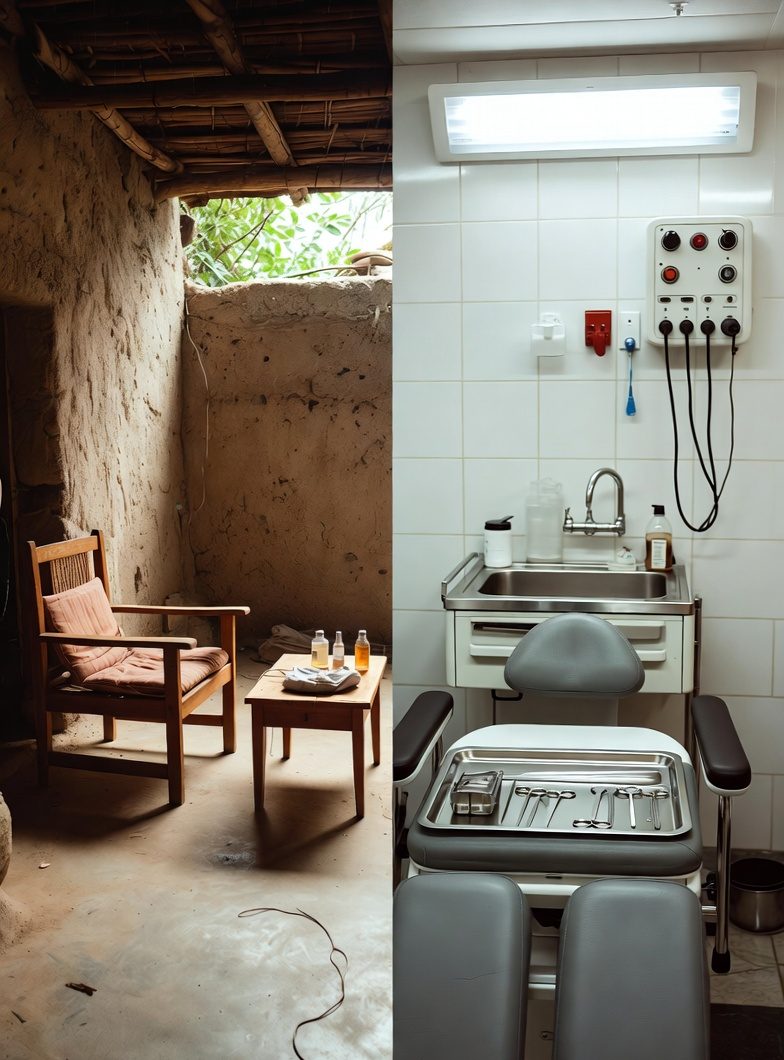
Courage, Community, and Cultural Power: The Traditional way.
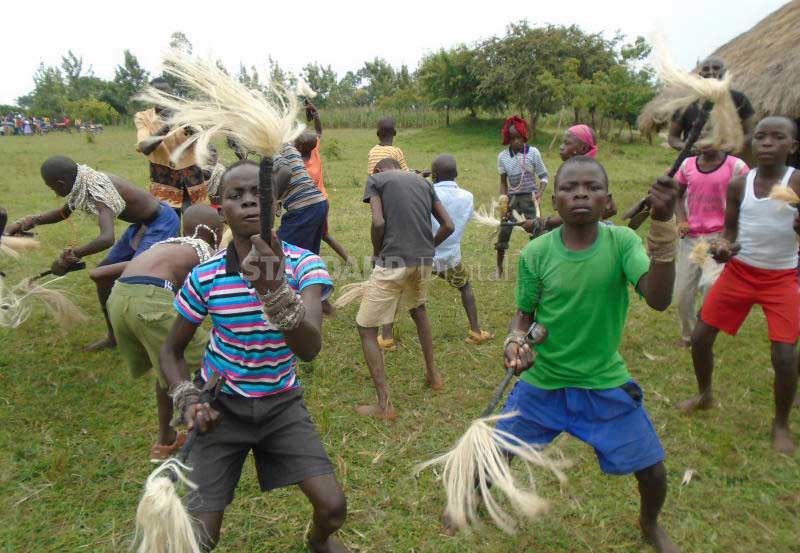
In most traditions, circumcision isn’t just a procedure— it’s a profound communal event, In Luhya traditions it’s often held every even year in August (a time of harvest abundance). Boys aged 12–16 prepare through weeks of rituals.
This process is always accompanied by rituals, songs, and teachings led by elders, who prepare initiates for adulthood. Beyond the physical act, the process emphasizes values such as resilience, respect, and social responsibility. Endurance during the ritual is often seen as proof of courage, power and readiness for manhood.
The rite itself is always Performed publicly by a traditional circumciser using a blade, often without anesthesia. The initiate must remain stoic — flinching or crying brings shame. It’s a test of manhood, tied to myths of bravery and marks full acceptance into adult society.
Anthropologists note that traditional circumcision plays a critical role in preserving cultural continuity, passing knowledge from one generation to the next. For many families, abandoning it feels like losing a piece of their heritage. However, the method largely depends on environmental conditions and the expertise of the practitioner, which can vary widely.
The Modern Side: Safety, Health, and Pragmatic Progress

Modern circumcision, performed in hospitals or clinics, focuses on medical safety and hygiene. Trained professionals use sterilized equipment, pain management, and standardized aftercare procedures. According to public health studies , medically performed circumcision significantly reduces the risk of infections and complications.
Even though modern circumcision prioritizes the body’s well being, minimizing risk while ensuring proper healing, critics still argue that medical circumcision can feel emotionally detached, reducing a profound cultural milestone to a routine clinical process.
The Evolution: A Cultural Shift, Not a Cultural Loss
The rite is evolving, not disappearing. The ancestral blade symbolizes raw courage, community pride, and unbreakable cultural roots, these are values that remain vital in our respective communities. The modern scalpel adds precision, hygiene, and life-saving protection, reflecting adaptation to new realities.
The shift has raised thoughtful questions, many feel like culture is not being respected anymore while others feel the need of proper hygiene.
The debate is not about choosing culture over health or vice versa—it reflects a broader struggle between tradition and modernization. Increasingly, communities are embracing hybrid approaches, where cultural teachings and ceremonies are preserved, while the procedure itself is conducted in a clinical setting. This balance allows tradition to evolve without disappearing.
Conclusion: Respecting Both Paths
From the knife to the clinic, circumcision remains a powerful symbol of transition. What matters most is informed choice, cultural respect, and safety. Whether traditional or modern, the practice continues to shape identity, reminding us that culture is not static but adapts, survives, and finds new ways to remain meaningful in a changing world.





 Sure Media Magazine
Leave a comment