
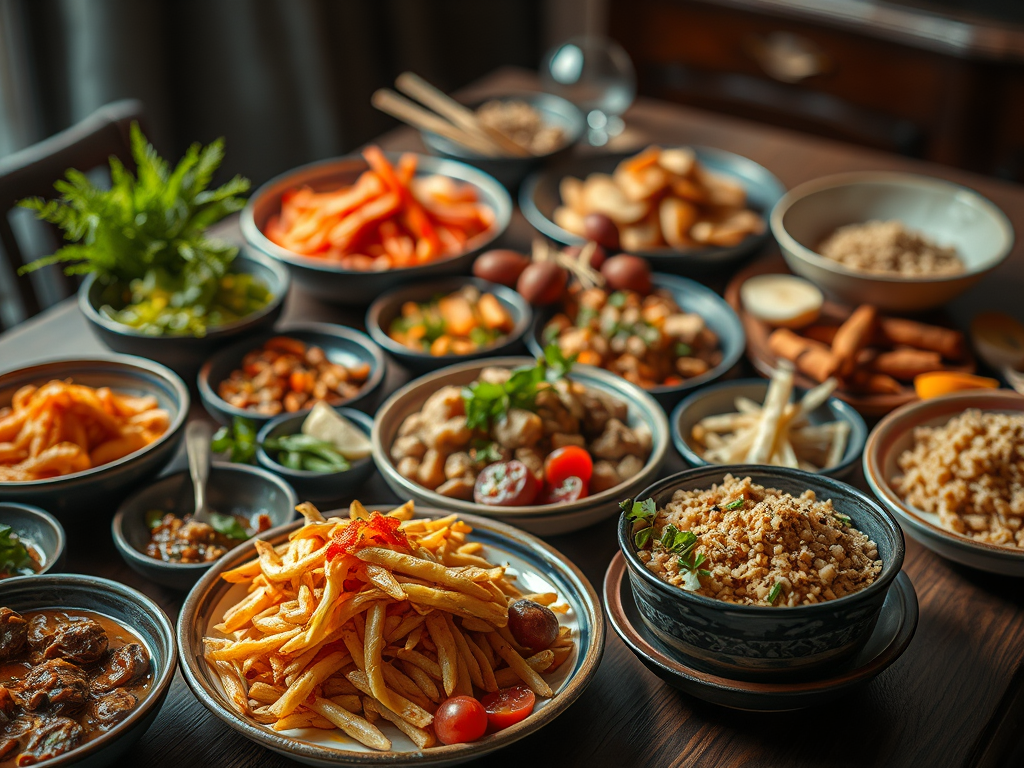
Food enters our lives quietly but shapes them loudly. It wakes us in the morning through the smell of tea, coffee, or porridge. Marks time at noon and night, gathers us around tables for reasons that have little to do with anger. Although science reduces food to calories and nutrients, economics treats it as a commodity. We do not just eat to survive, we eat to remember, to belong, to celebrate and sometimes cope.
Every meal covers a story. A simple bowl of porridge may hold memories of childhood mornings, a parent’s patience or a season of scarcity. A street snack eaten on the way home from work might speak of exhaustion, resilience and rhythm of the city life. Even fast food often dismissed as unhealthy or careless, reflects modern pressures which are long hours, limited time and the need for convenience in a world that rarely slows down. What we eat often mirrors how we live.
Food is also one of the most powerful expressions of culture. Recipes travel across generations more reliably than written records. Long before people could read or write, they passed knowledge through taste. Example: how to ferment, dry, roast or preserve.
Ingredients reveal geography and history. Coastal communities rely on fish, arid regions master grains and legumes and colonial encounters reshaped diets across continents. When people migrate,, food becomes a portable homeland. A familiar dish cooked far from home can ease loneliness more effectively than words.
In most cases, food is deeply political. Whoever grows it, sells it and those who can afford it are faced with questions tied to power and inequality. In many parts of the world, hunger exists alongside waste. Perfectly edible food is discarded while families struggle to secure daily meals. Industrial farming has increased production but often at the cost of soil health, biodiversity and fair labor. At the same time, small- scale farmers who feed a large portion of the global population frequently remain the most food insecure. Every choice we make at the market is quietly connected to these systems.
Modern conversations about food are increasingly moralized. We are told that we should eat organic, local, plant- based, low-carb and high protein. While many of these ideas are rooted in genuine health and environmental concerns, they can also create shame and exclusion. Not everyone has access to diverse options, time to cook or the money to prioritize ideals over survival. A healthy relationship with food must include compassion for our bodies and for others.
Food also shapes our relationship with our own bodies. Diet culture teaches control, restriction and guilt often ignoring pleasure but pleasure matters. Enjoyment is not a weakness, it is part of being human. Shared meals improve mental health, reduce isolation and strengthens relationships. Eating slowly together and without fear can be nourishing as the nutrients themselves.
In recent years, there has been a quiet return to simplicity. People are discovering home cooking, seasonal ingredients and the joy of knowing where food comes from. Gardens whether rural or small urban plots restore a sense of agency. Cooking becomes an act of care not just productivity. In these moments food reconnects us to time, patience and gratitude.
Ultimately, food is a language. It speaks when words fail at funerals, weddings, religious rituals and ordinary evenings after hard days. It reminds us that survival is communal and how we choose to live each day.
What we eat matters but most importantly how and why we eat reveals who we are.




 Sure Media Magazine
Leave a comment