
Moving was like a new beginning, which upon careful budgeting I saw there were hidden financial traps which the online calculators could not identify. Here’s my real breakdown and the rules I now swear by.
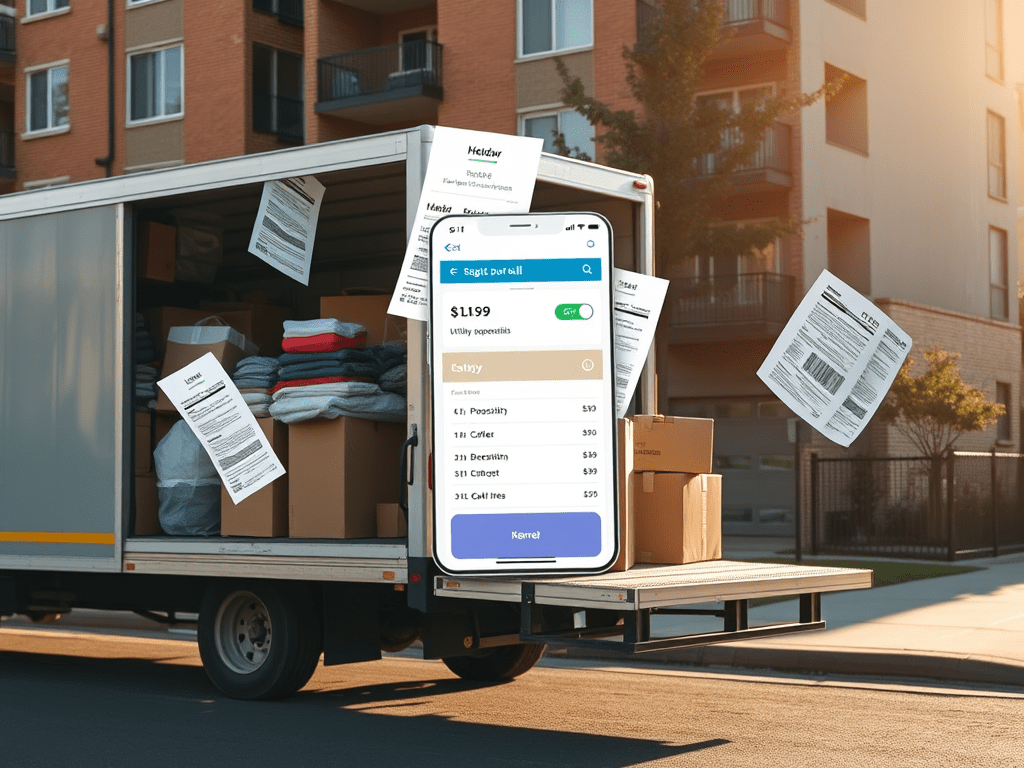
The first shock was just hitting my pocket, as I was barely unpacking the U-Haul in my new apartment in Raleigh, when I got a shocking new bill: a utility deposit of 150 $ that I was not expecting. I had left Chicago in search of cheaper living costs and a slower city, but as I logged all of my coffee trips and Lyft rides in the app, the vision of affordability began to crack. By the third month, I had spent over a thousand dollars beyond the budget I had anticipated not on luxuries, but on the sneaky everyday drains that no index of cost of living will alert you about.
This is how I learned to use the six-month following of every penny of my cross-country move in 2025 and found the myths associated with relocation affordability. Based on actual data of my spreadsheets supported by migration patterns and professional opinions, I will deconstruct how the money actually went, what I underestimated, and the functional model I now apply to determine the true cost of any city to my lifestyle. With more Americans rushing to booming areas such as Raleigh as part of the remote work trends and rising urban costs, this clear view will give insights into how to evade the same pitfalls.
Why I Moved: Chasing the “Affordable” Dream
Similar to most people in 2025, I moved because of the flexibility in job and a sticker shock in my old city. The rents had risen 27% since the pandemic in Chicago, and the wages were lower than the inflation. Working at home was now an option, and data on moving companies revealed a rush to midsize Sunbelt metropolitan regions: Raleigh made third on the 2025 moving trends list PODS 2025 list (a year later) with its technological workforce and reduced housing expenses. This was echoed in a study by United Van Lines which found that there was a general move towards smaller towns in the quest to have a good life.
I had a number crunch beforehand on websites like Numbeo, Raleigh had an overall cost of living that was a quarter of Chicago. Still, those averages give such attention to rent (mine was decreased by 2,200$ to 1,600$) and do not take into account the so-called hidden costs that accumulate after the relocation. Specialists advise that these are frequently underestimated in relocation, utility arrangements as well as transportation adjustments. I figured I’d save $500 monthly. Spoiler: I didn’t.
The Expense Breakdown: Where the Money Actually Went
I wrote down all of it in a basic application such as Mint and divided it by category, rent/utilities, food, transport, social/entertaining, and misc (the real killer). In more than six months, I spent an average of 4800$/month, which is 600 above my pre-move budget. This is the crunch and averages were obtained by my own data and were compared with national relocation reports.
- Rent and Utilities (1,850/month): Rent was as anticipated, but utilities horrified me. In addition to the deposit, electricity, internet and water activation fees were extra expenses of 250$ initial. Raleigh had hot and humid summers, which increased her bills on AC 180$/month compared to Chicago 120$. Myth busting: It seems that most people think that utilities reduce in accordance with rents however climate and provider charges can increase the utilities by 15-20% in new areas.
- Groceries and Eating out ($650/month): I planned to spend 500 assuming that Southern food would be cheaper. Groceries had fallen by 10 percent, yet in convenience food, the skyrocketed -$200/month on in-restaurant food in the process of unpacking and browsing. Hidden expense: It was expensive to stock a new kitchen (spices, staples) at the outset at a cost of $300, a typical failure in moves. Food prices all over the country are 25 percent higher than they were in 2020, which means that this group is a secret inflammatory.
- Transportation ($450/month): This was the largest underestimation on my part. Gas and maintenance in the car-dependent Raleigh came to 250/month, as well as 100 on rideshares on my first carless weeks. The public transit in Chicago maintained this on the same price of $150. Fuel charges and car registration transfers can be felt- you will spend at least 200-500 in fees that are not explicit on long-distance moves. As people move to spread-out cities such as in Texas and the Carolinas, the transport costs of the urban expat tend to be doubled.
- Social and Entertainment ($400/month): It would be a new life, which would require more outings- 150 on bars/meet ups as a new friend, and 100 on gym membership and area events. I had not estimated the so-called social reset tax, which relocation experts explain might result in 10-15 percent of monthly expenses during the initial year.
- Misc and One-Offs (averaged at $450/month): THE eye-opener. My old place cleaning fee, moving insurance, dog boarding on the drive, and new house stuff, including curtains and rugs, added up to $200, $150, and 400 respectively. Another $100 is used on the license renewal and changes of address. These are normal unexpected stops, but are not considered in 70 percent of budgets.
In general, my overspend was 40 percent on transport and misc as opposed to rent-based assumptions that are sold over the internet. According to a 2025 CFP Board survey, 95% of Gen Xers regret such changes in life such as moves, due to similar financial blind spots.
The Surprises: What I Got Wrong and Why It Matters Now
The biggest shocker? How lifestyle mismatches amplify costs. I underestimated car reliance in Raleigh, assuming walkability like Chicago—leading to $1,000 in unplanned auto expenses over six months. Similarly, “new city excitement” drove social spending up 50%, a common post-relocation bump as people rebuild networks.
This ties into broader 2025 trends: With mobility at historic lows but targeted moves up 3% year-over-year, Americans are relocating for affordability—yet wages haven’t kept pace with 28% rises in transport and food costs. Misconceptions like “lower rent equals savings” ignore these dynamics, costing movers thousands. As Atlas Van Lines notes, interstate moves held steady in 2025, but to places like the Carolinas where hidden fees lurk for unprepared urbanites.
Lessons Learned: My New Rules for Evaluating Cities
Tracking forced a rethink. This framework is what I apply prior to any potential move:
1. Test Beyond Averages: Spend a week, virtually living there via apps- simulate commutes, grocery runs. Include an additional 20 percent of buffer on covered charges such as deposits and insurance.
2. Factor Lifestyle Fit: Work out transportation depending on your lifestyle. When you do not drive a car, do not go to places where sprawl is prevalent; this is what saved me the next look at Dallas.
3. Budget in the first three months: Add twice misc costs cleaning, setups, social. A Monster survey indicates 95 percent of employees believe that wages are falling behind their living costs, pad them.
4. Track and Adjust Early: Use free apps; my application identified trends within week two, which allowed me to reduce takeout by a third.
Moving isn’t just about a new address; it’s a financial reboot. By facing the numbers head-on, I didn’t just survive Raleigh—I redefined “affordable” on my terms. If you’re eyeing that U-Haul, track first, or risk the hidden bite.





 Sure Media Magazine
Leave a comment