

Missing who you were doesn’t mean you failed. It means you lived, tried, believed, and kept going, even when no one was looking.
The First versions of Myself
I miss the earlier versions of myself, the ones who didn’t know how things would turn out. There was a version who wrote in cheap notebooks. It wasn’t because anyone would read them. It was because the words needed a place to land. I miss the early drafts that were never polished, never edited for an audience, never measured for impact. Back then, effort felt special. Trying was enough. There was no pressure to be excellent, only to be honest. As Albert Camus once noted, “Every act of rebellion expresses a nostalgia for innocence.” It is also an appeal to the essence of being.
Stories that almost stayed private
There are stories I still hold that were never meant for the public. Letters written and deleted. Messages typed at 2 a.m. and never sent. Manuscripts left unfinished because completing them would have made them real. Some feelings felt safer when they remained incomplete. I think many of us long for the things we almost shared, the truths we rehearsed privately but never revealed. Not because we lacked courage, but because they mattered too much, too precious to expose.

Late nights when the world went quiet
My fondest memories come from those late hours when the world loosened its grip. After the last bus, after the last email, when expectations faded away. Those were the times when I read slowly, wrote poorly, and thought deeply. Time didn’t rush me then. I didn’t rush myself. I didn’t need productivity tricks to justify my existence. Just being present was enough. Silence felt like permission.
Seasons of becoming, not arriving
I’m most nostalgic for the times when I was becoming something, not yet expected to be anything. When dreams were wide and undefined. Before every skill needed to earn money, before every passion had to prove its worth. There was freedom in not knowing how my life would take shape. The in-between was uncomfortable, yes, but it also offered generosity. Possibility was everywhere. Robert Brault beautifully articulates this: “Nostalgia is less a longing for a past we once lived. It is more for a future we once dreamed of.”
Street-level humanity
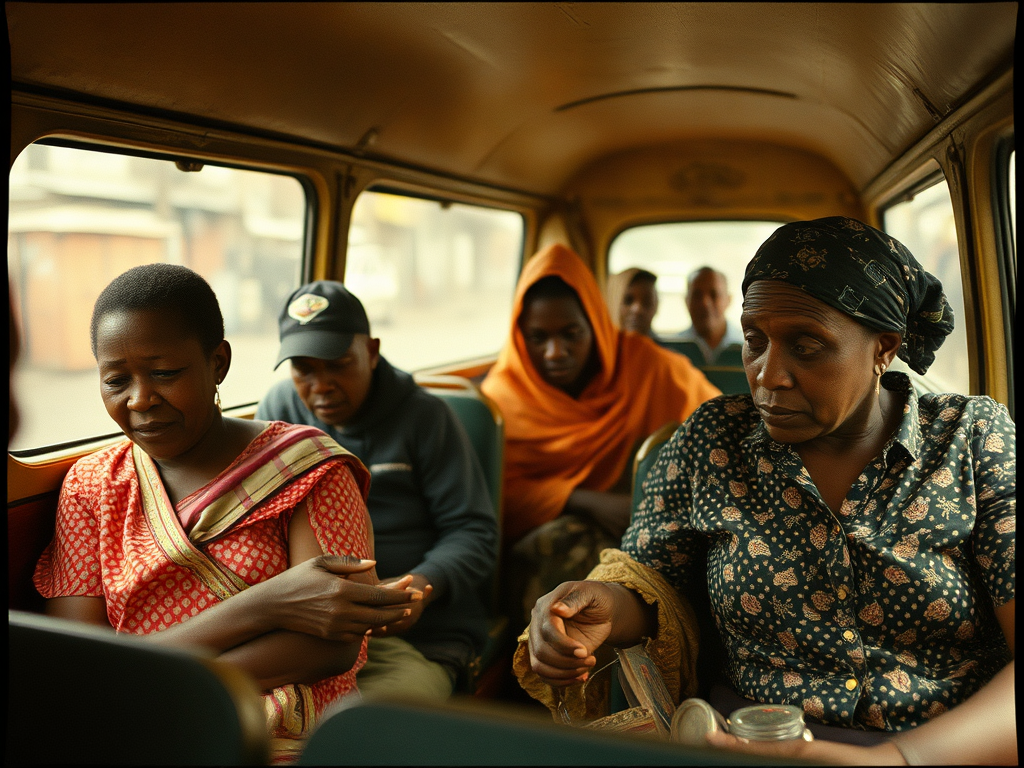
There’s a certain tenderness in recalling ordinary people trying their best. Conversations overheard on Matatus. Parents counting coins in the market. Workers arriving early and leaving late. Lives that wouldn’t trend but still held dignity. Street-level humanity, the kind that survives on effort, humor, and quiet faith, reminds me where real meaning is found. Not in perfection, but in persistence.
Faith moments that were intimate, not performative
I miss faith when it was personal and open. When prayers weren’t acts to impress others and belief didn’t need to be justified. When a single verse could support me for months, speaking to me in new ways each time I revisited it. When hope felt like a quiet thought, not a bold statement. Many of us yearn for that closeness again, the kind of belief that doesn’t boast but still keeps you steady.
Old music, Not happy songs but Companions
And then there’s the music. Songs tied to effort, not ease. Tracks played on repeat during long commutes, late-night work sessions, or times when quitting would’ve been easier. Not happy songs, faithful ones. Music that remembers you when you forget yourself. When I hear those songs now, I don’t just recall who I was. I remember how I kept going.
Benefits of Nostalgia
Nostalgia offers several psychological benefits that enhance emotional and mental well-being. It promotes mood enhancement by releasing dopamine. This provides quick emotional lifts that counteract boredom and anxiety. Experimental studies support this by showing increased positive affect and optimism. Additionally, it fosters social connectedness by affirming a sense of belonging. It reduces loneliness through recollections of supportive relationships. This boost in connectedness enhances feelings of affiliation and encourages generosity toward others. Nostalgia also strengthens self-esteem. It bolsters a sense of meaning by reinforcing personal identity. This happens through reflective continuity, which elevates self-regard and perceptions of a meaningful existence. Furthermore, it serves as a resilience-building tool in times of stress. It acts as a coping mechanism that strengthens emotional fortitude during challenges. It enhances overall happiness and adaptability in daily life. Finally, for older adults, nostalgia improves cognitive recall and psychological health, often used in therapeutic interventions to preserve mental sharpness.

Literature highlights this further. Literature amplifies this: Marcel Proust’s In Search of Lost Time skillfully uses sensory triggers. A madeleine dipped in tea suddenly floods the narrator with vivid childhood memories. He recalls his aunt’s house in Combray. This evokes a profound sense of lost time reclaimed. This anecdote illustrates how everyday sensations can unlock deep personal growth through reflection. J.R.R. Tolkien’s The Hobbit and C.S. Lewis’s Chronicles of Narnia stir childhood wonder, while J.K. Rowling’s Harry Potter series revives themes of innocence amid growth. Margaret Mitchell’s Gone with the Wind blends nostalgia with resilience, mirroring our yearning for sincerity.
Perhaps nostalgia craved sincerity above all, before the world demanded we package, polish, or prove it. We don’t seek regression. We yearn to feel authentic again. Gulzar reflects, “Nostalgia is a sweet place for a poet and writer to be in.”
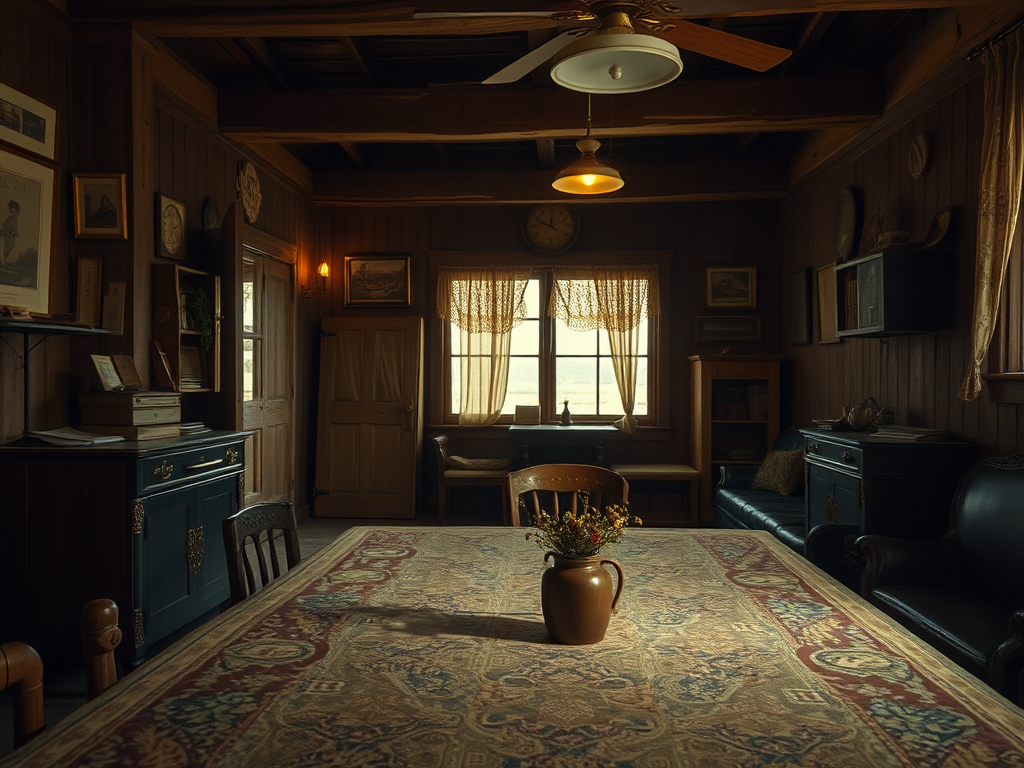
I believe nostalgia shows that we lived a good life. It’s not because everything was perfect, but because we truly felt it. We showed up and tried our best. We believed quietly and loved in our own imperfect ways. We held onto parts of ourselves even when the world wanted us to toughen up. Nostalgia doesn’t mean we’re stuck; it means we were there.
What elements of your past evoke a sense of sincere, unpolished self? Share your nostalgic memories in the comments. I’d love to hear how they shape your current life.
Take a moment today to revisit an old journal. Listen to a forgotten playlist. Go back to that unsent letter. If this piece resonates, share it with a friend. They might appreciate a gentle reminder of their own journey through nostalgia.





 Sure Media Magazine
Leave a comment