
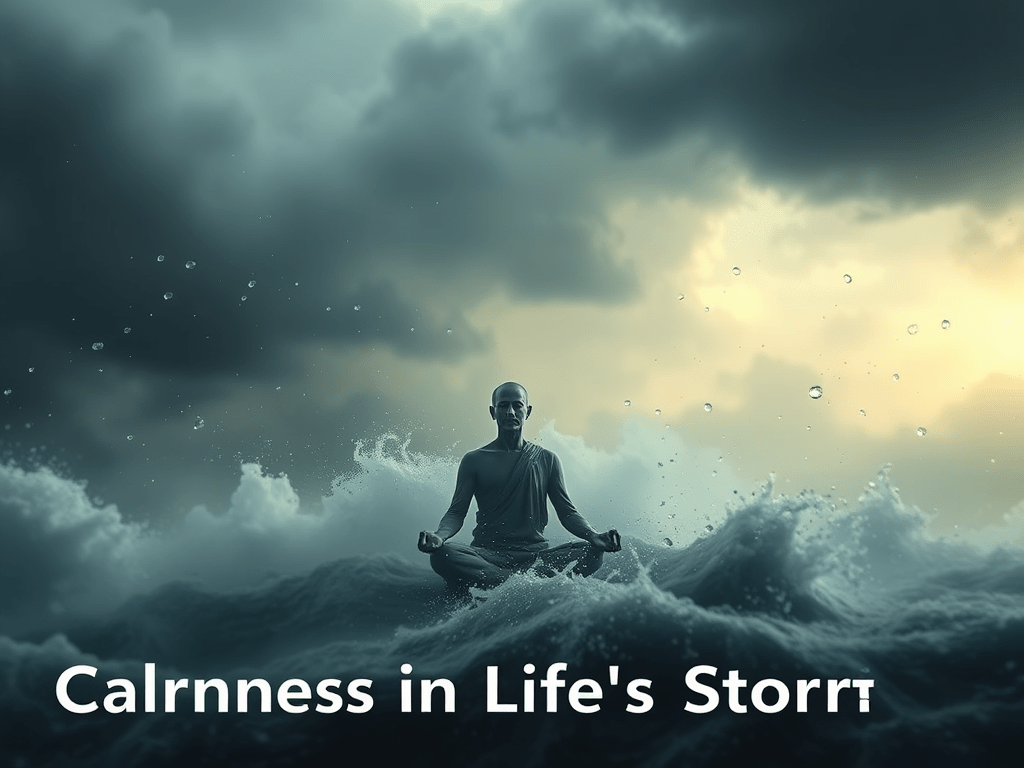
Life’s “storms”—whether personal challenges like loss or health issues, or broader ones like global uncertainties—can trigger stress that affects health and decision-making. Studies and expert views highlight that cultivating calmness isn’t about ignoring problems but responding with clarity, potentially leading to better outcomes like improved mental well-being and stronger relationships. For instance, in fast-paced environments, staying composed might prevent burnout, allowing for more thoughtful actions amid chaos.
Practical Steps to Cultivate Calm
Start small: Techniques like deep breathing or pausing to assess emotions can help regain control. From spiritual angles, prayer or meditation may offer solace, while psychological approaches emphasize setting boundaries and seeking support. Remember, these steps are adaptable—experiment to find what resonates, and consult professionals if storms feel overwhelming.
Exploring Calmness in the Storm: Navigating Life’s Chaos with Resilience and Grace
In an increasingly unpredictable world marked by personal upheavals, global crises, and daily pressures, the concept of “calmness in the storm” has emerged as a vital theme across psychology, spirituality, and self-help literature. This metaphorical phrase, often evoking images of serene centers amid turbulent seas, refers to the ability to maintain inner peace and emotional stability during times of adversity. Drawing from diverse sources—including Zen Buddhist teachings, Christian scriptures, mindfulness research, and contemporary psychological strategies—this comprehensive overview examines the evidence, mechanisms, and practical applications of finding calm in life’s storms. While no single approach guarantees unwavering tranquility, a synthesis of studies and expert insights suggests that intentional practices can foster resilience, reduce stress, and enhance overall well-being, though individual results may vary based on factors like personality, environment, and support systems.
The Psychological Foundations of Calmness Amid Turmoil
Psychological research underscores that calmness in crises stems from effective emotional regulation and cognitive reframing. For example, a key principle is recognizing that storms—be they financial setbacks, relationship conflicts, or health scares—trigger the body’s stress response, releasing hormones like cortisol that can cloud judgment if unchecked. Techniques such as mindfulness meditation have been shown in meta-analyses to lower anxiety levels by promoting present-moment awareness, allowing individuals to observe thoughts without being overwhelmed. One study highlights how simple exercises, like a two-minute “drop anchor” method—where one grounds themselves by noticing surroundings and breathing deeply—can interrupt emotional spirals during high-stress moments.
Disparities exist: Vulnerable groups, such as those with pre-existing anxiety or in high-pressure professions, may benefit more from structured interventions. A review from mental health experts notes that accepting reality and setting boundaries are crucial, as denial prolongs distress. Additionally, finding purpose or “glimmers”—small moments of joy—amid chaos can shift focus from threats to opportunities, fostering a sense of control. Real-world applications include workplace coaching, where leaders encourage pausing to assess situations, pacing through challenges, and seeking support to avoid burnout.
Spiritual Perspectives: Trust and Surrender as Anchors
Spiritual traditions offer profound insights into calmness, often framing storms as opportunities for growth. In Christianity, the biblical story of Jesus calming the storm (Matthew 8:23-27) illustrates divine peace amid peril, with Jesus’ rebuke of the disciples’ fear emphasizing faith over panic. Key practices include prayer with thanksgiving (Philippians 4:6-7), which promises a peace that “guards hearts and minds,” and claiming promises like God’s constant presence (Isaiah 41:10). Personal testimonies, such as those from religious communities during crises like COVID-19, reveal how surrendering anxieties through daily scripture immersion builds trust, transforming fear into serenity.
Zen Buddhism, as explored in works like “Calm in the Storm” by Brother Pháp Hữu and Jo Confino, advocates for grounded presence and self-compassion in an anxious world. Drawing from Thích Nhất Hạnh’s teachings, the book addresses modern “polycrises” like climate anxiety by encouraging mindfulness to connect with ancestral wisdom and respond with clarity rather than reactivity. Practices include breathing exercises and embracing pain without bypassing it, fostering resilience through intimate reflections and stories. Similarly, broader spiritual advice emphasizes worship and gratitude, shifting focus from turmoil to divine attributes (Psalm 100:4-5).
Recent social media discussions echo these views, with users sharing how calmness reflects deep trust or leadership, often citing personal growth amid adversity.





 Sure Media Magazine
Leave a comment