
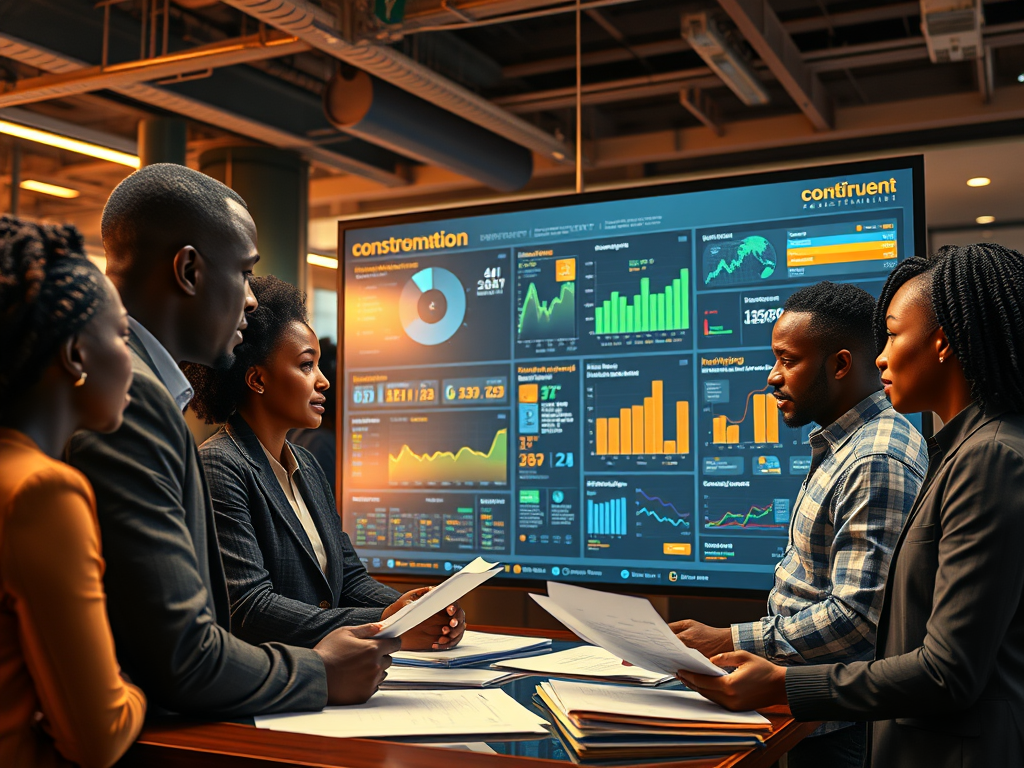
It’s 6 PM and I’m staring at a dashboard that’s supposed to make my life easier. A new AI-powered procurement system flags a compliance issue in a document I uploaded hours ago. Instead of fixing the problem, it exposes a deeper one: mismatched approvals from three departments that have been shelved for years. In construction and MEP projects across construction especially MEP this is everyday reality. Tools promise efficiency, but often they just bring to light the human and organizational mess underneath.
I’ve spent over 15 years in the shadows of massive projects – handling administration, document control, procurement, HR coordination and technical support. I’ve seen first hand how digital transformation sweeps through work culture and diaspora professionals like a desert wind: fast, disruptive and leaving everything exposed.
The Allure of the Shiny New Tool
In 2025 and now heading into 2026, AI in the workplace is everywhere. Nearly 90% of organizations use some form of AI regularly, according to McKinsey’s latest report on the state of AI, tools like autonomous agents handle workflows from simulating project launches to tracking compliance in real-time. Productivity tools – Slack channels exploding with notifications, cloud-based ERP systems, BIM for MEP coordination – promise to streamline the chaos of construction sites and office backends.
For young African professionals navigating modern careers, especially those in the diaspora working, these tools feel like a lifeline. Remote and hybrid setups allow us to bridge continents, contributing to global projects while staying connected to home. Yet, adoption isn’t seamless. In industries like construction, technology uptake lags with legacy systems and resistance slowing progress.
When Technology Amplifies the Pressure
Here’s the irony: these productivity tools often highlight burnout rather than prevent it. Studies show that constant connectivity leads to presenteeism – being “on” but disengaged – and higher stress levels. Gallup’s workplace research links unchecked digital demands to lost productivity, with burnout costing billions annually.
In my world, a new document management AI doesn’t hide sloppy paperwork; it broadcasts it. Suddenly, errors in procurement chains or HR records are visible to everyone, escalating career pressure. For African professionals in high-stakes environments like the energy sector, where expatriate contracts dominate, this visibility can feel like a spotlight on vulnerabilities. Digital transformation challenges such resistance to change, skill gaps, siloed structures become glaring. McKinsey notes that while AI drives growth for high performers, uneven adoption leaves many organizations stuck, exposing deeper issues like poor communication or outdated processes.
The Human Element in a Digital World
Behind every dashboard is a person. In African work culture, shaped by resilience and community, we’ve long relied on relationships to navigate bureaucracy. But digital tools formalize everything, sometimes stripping away the informal fixes that keep things moving.
For diaspora workers, this hits hard. Many of us juggle time zones, family expectations back home and the grind of expatriate life. Tools meant for efficiency add layers: endless notifications, mandatory trainings on new platforms and the subtle pressure to upskill in AI literacy, now the top in-demand skill for 2025, per Microsoft’s Work Trend Index. In construction and gas projects, where MEP coordination can make or break timelines, BIM and IoT sensors improve safety and accuracy. But without addressing underlying cultural shifts, they just reveal inefficiencies faster.
Exposing the Deeper Issues
Ultimately, modern tools don’t create problems, they expose them. Organizational silos, unclear accountability, burnout from overload: these predate AI. As BCG’s AI at Work survey points out, momentum builds, but gaps in adoption and trust remain. For young workers and African professionals charting modern careers, this means navigating a landscape where technology and jobs intersect unpredictably. Some roles evolve, others face disruption but human strengths such as adaptability, conflict resolution rise in value.
A Mirror, Not a Fix
As we race through this era of digital tools and AI in the workplace, it’s worth pausing. These innovations reflect back our collective realities: the pressures, the inequalities, the quiet struggles in office cultures worldwide.
What happens when your favourite productivity tool starts revealing more about your organization’s flaws than your own efficiency? Have these shifts made work better or just more transparent? In the comments, share your experiences from construction sites, remote setups, or diaspora hustles. Let’s discuss how we’re adapting or if we’re just patching over the cracks.
References
- McKinsey & Company. (2025). The State of AI in 2025: Agents, innovation, and transformation. https://www.mckinsey.com/capabilities/quantumblack/our-insights/the-state-of-ai
- Gallup. (2025). State of the Global Workplace: 2025 Report. https://www.gallup.com/workplace/349484/state-of-the-global-workplace.aspx
- Microsoft. (2025). 2025 Work Trend Index: The year the Frontier Firm is born. https://www.microsoft.com/en-us/worklab/work-trend-index/2025-the-year-the-frontier-firm-is-born
- Boston Consulting Group (BCG). (2025). AI at Work 2025: Momentum Builds, but Gaps Remain. https://www.bcg.com/publications/2025/ai-at-work-momentum-builds-but-gaps-remain





 Sure Media Magazine
Leave a comment