
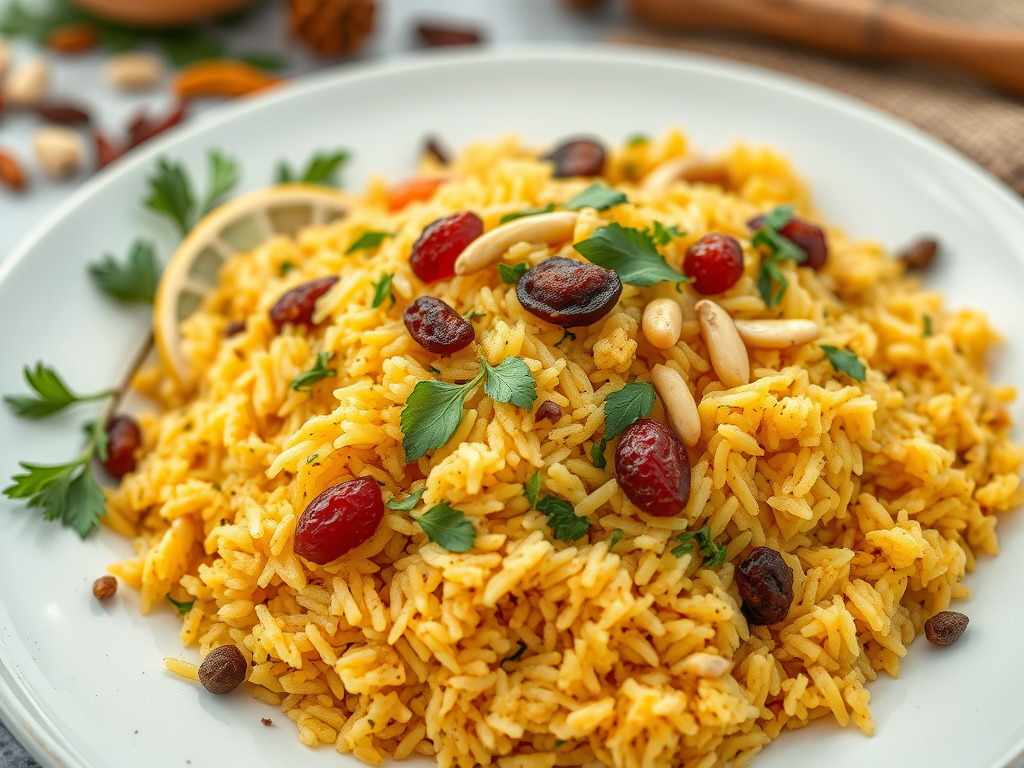
Intro: A delicacy that tells a coastline story.
On the East African coast, pilau is more than a dish; it’s a living map of trade winds, spices, family gatherings, and cultural identity. From Mombasa to Lamu, Zanzibar to Dar es Salaam, the coastal version of pilau is a fragrant emblem of the Swahili culture. It is made of rice steeped in coconut, citrus, and a chorus of warm spices, cooked slowly in a heavy pot, shared among kin and neighbours.
Origins: a shoreline fusion
The Swahili coast has long been a crossroads where Arab, Persian, Indian, and African influences mingle. Trading hubs like Kilwa, Mombasa, and Zanzibar absorbed perfumes of saffron, cloves, cinnamon, and cardamom, then incorporated them into the local staples of rice, coconut, dried fruits, and a love of communal feasts. The result is a pilau that feels ancient, yet distinctly East African, a dish born from gentle barter and enduring hospitality.
What makes East African pilau unique
– Coconut milk: This gives its signature hum of sweetness and richness that lightens the palate and threads through the dish.
– Aromatic backbone: A chorus of cloves, cinnamon, cardamom, bay leaves, and at times whole black pepper, often toasted to bloom.
– Onions first: Slowly fried until deeply caramelised, forming the sweet, savoury foundation.
– Saffron and citrus lift: Saffron or a hint of dried lime gives it a coastal glow and brightness.
– Fruits and nuts: Raisins or dried apricots, toasted almonds or cashews add texture and a whisper of sweetness to the recipe.
– The coastal palate: Leans toward balanced sweetness, savoriness, and a touch of acidity from lime or tamarind in some family versions.
Core technique: the Swahili two-pot approach
– Rice: The long-grain varieties work best (basmati can be used), rinsed until the water runs clear for fluffy grains.
– Fat and flavour: Ghee or oil is heated; onions are sautéed slowly to caramel amber, forming the dish’s signature flavor and sweetness.
– Spices: Whole spices are toasted briefly to awaken their perfume; aromatics may include garlic-ginger paste, chilli (optional), and coriander or cumin.
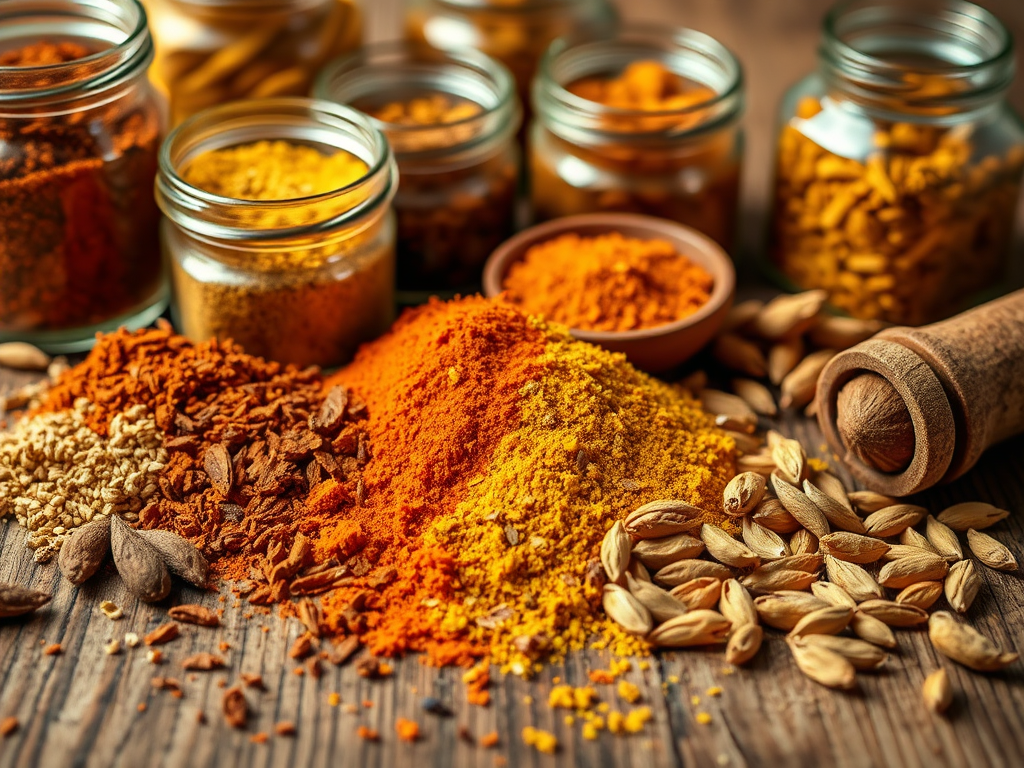
– The coconut-milk moment: Coconut milk (or a blend of coconut milk with stock) is used to simmer the rice, giving it a lush, coastal mouthfeel.
– Meat and seafood: Common coastal additions include chicken, fish, or shrimp. Meat is often browned separately to develop fond and depth.
– Finish: Resting the pot off heat helps the grains set; finishing with chopped cilantro or mint and a squeeze of lime to tease ones tastebuds.
Regional textures within the coast
– Mombasa and coastal Kenya: A balanced, slightly sweet pilau with coconut milk, sometimes finished with lemon or lime and a dusting of fried onions. Chicken pilau is a staple at family celebrations.
– Zanzibar and Pemba: One of the most iconic Swahili coast versions, often richer with coconut, saffron, and dried fruit; it’s a centrepiece at weddings and Ramadhan Iftars, with a glossy, fragrant surface and a crisp bottom crust known as tahri in nearby kitchen dialects.
– Lamu and the archipelagos: A lighter, bright version that might emphasize citrus zest, green chilies, and fresh herbs, served with lemon wedges and a tang of tamarind or lime making it very sizzling.
– Dar es Salaam and mainland Tanzania: It’s diverse adaptations reflect inland influences; expect deeper chili heat, or a more tomato-forward note in some households, with a festive air for guests.
Technique tips tailored for the coast
– Rinse well and soak briefly: Rinse rice to remove starch; a short soak helps with separation, important for the coastal “fluff.”
– Build flavor from onions: Cook onions slowly with salt until coppery; this is the backbone of the dish’s aroma.
– Bloom the spices: Toast whole spices in oil before adding rice to unlock perfumes.
– Coconut as a partner: If using coconut milk, balance it’s richness with a splash of stock or water to avoid a heavy finish.
– Layer seafood or meat: Brown proteins separately, to deglaze, and fold back into the rice with their juices for depth.
– Rest and serve: Let the pot rest, then fluff with forks. Garnish with fresh herbs and lime to brighten the coconut-scented richness.
A coastal pilau recipe (serves 4–6)
Ingredients
– 2 cups long-grain rice
– 2–3 tablespoons ghee or oil
– 1 large onion, thinly sliced
– 2 cloves garlic, minced (optional)
– 1–2 cardamom pods, 1 cinnamon stick, 2-3 cloves
– 1 bay leaf
– 1 teaspoon ground coriander (optional)
– Salt to taste
– 1 3/4 to 2 cups hot stock (chicken, fish, or vegetable)
– 1 cup coconut milk (or a mix of 1 cup coconut milk + 1 cup stock)
– A pinch of saffron threads (soaked in 1 tablespoon hot stock; optional)
– Optional add-ins: 1 lb chicken thighs or fish fillets, shrimp, or seafood; 1/2 cup raisins or chopped dried apricots; 1/4 cup toasted almonds or pistachios; lime wedges and fresh cilantro or mint for finishing
Method
– Rinse rice until clear; soak 15–20 minutes if possible, then drain.
– In a heavy pot, heat ghee/oil. Add onions with a pinch of salt; cook slowly until deeply caramelised (10–15 minutes). Add garlic if using.
– Add whole spices; cook until fragrant (30–60 seconds).
– Stir in rice to toast lightly (2–3 minutes). If using meat, brown separately and set aside; deglaze with a splash of stock.
– Add hot stock, coconut milk, saffron (if using); bring to a gentle boil, then reduce heat to low. Cover tightly.
– Cook for 15–20 minutes until rice is tender and all the liquid is absorbed. If using pre-browned meat or seafood, ensure it is cooked through, and fold in dried fruit and nuts in the last 5 minutes.
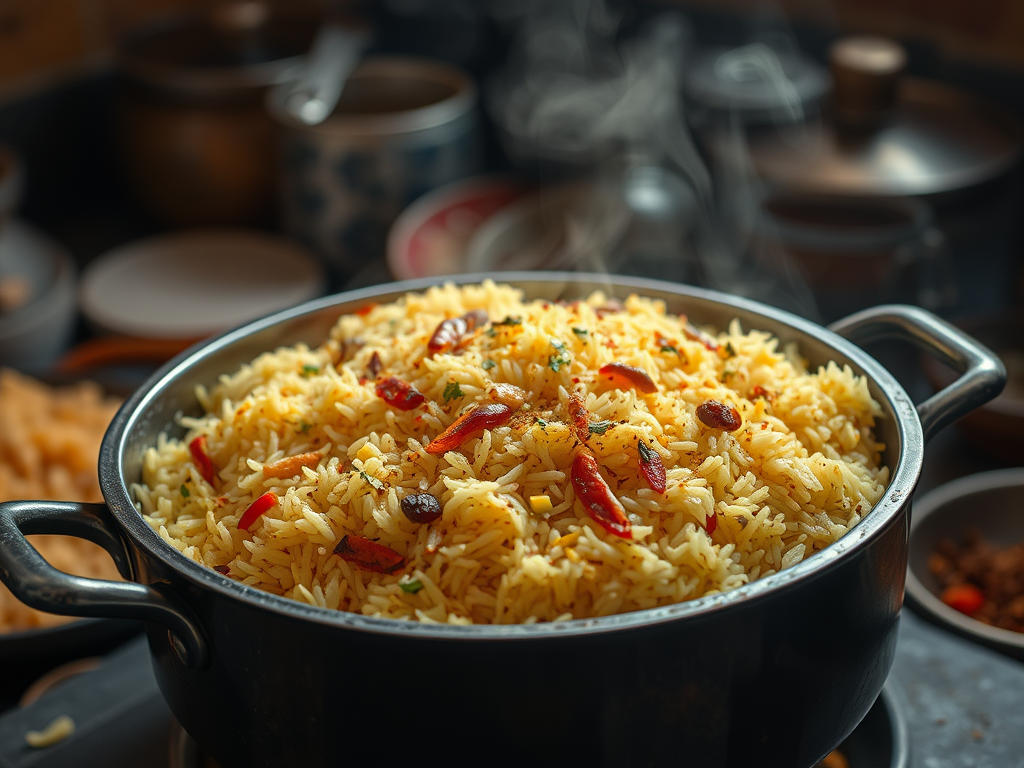
– Rest from the heat, covered for 5–10 minutes. Fluff it with a fork; add salt to taste. Finish with herbs and a squeeze of lime.
Cultural and communal significance
– Celebrations and hospitality: Pilau is the centerpiece at weddings, naming ceremonies, Eid and Ramadhan tables, and clan gatherings. It is often shared to welcome guests and mark milestones.
– Market-to-table heritage: Coastal cooks honor seasonal spices, coconut, and dried fruits—each market visit can inspire a new variation to the recipe.
– A dish of languages and identities: The Swahili coast’s pilau embodies a fusion of Arabic, Persian, Indian, and African influences, all spoken in the aroma of one pot.
Pairings and serving ideas
– Crisp salads with citrus, cucumber, and mint balance richness.
– Yoghurt sauces or raita cut through the coconut and spice.
– Fresh chutneys, lime wedges, and fried onions add brightness and texture.
– Beverage partners: A light, aromatic white wine, ginger-lemonade, or a cool coconut agua fresca complements the coastal flavors.
Nutritional snapshot
Basically, the Coastal pilau is a carbohydrate-rich, protein-supporting dish when paired with seafood, chicken, or legumes. Coconut adds healthy fats; nuts contribute crunch and minerals. It can be tailored to a lighter tastiness by moderating oil, using lean proteins, and loading more vegetables on the side.
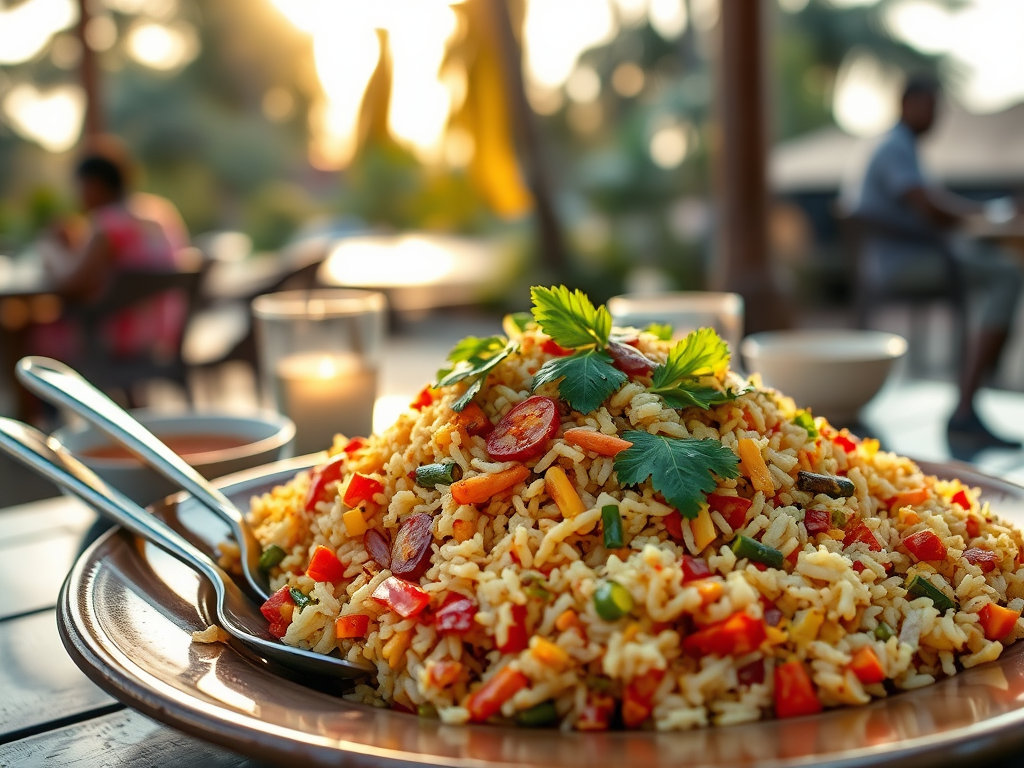
A dish that carries the sea in its aroma
Pilau from the East African coast is more than just a delicacy; it is a cultural vessel. It speaks of monsoon markets, dhow sails, and a tradition of generous hospitality from its populace. It is the taste of Swahili days, moonlit lanes of Stone Town, and the shared pots around a long family table, with the coastal dish speaking softly, warmly, and in the language of spice.




 Sure Media Magazine
Leave a comment