
By Mark Onchiri.
“Nestled in the far north of Kenya, where the desert embraces a shimmering green-blue lake, Lake Turkana stands as the world’s largest desert lake. It offers not only scorching heat and breathtaking landscapes but also the unique resilience and culture of its communities, leaving an enduring impression long after your visit.”
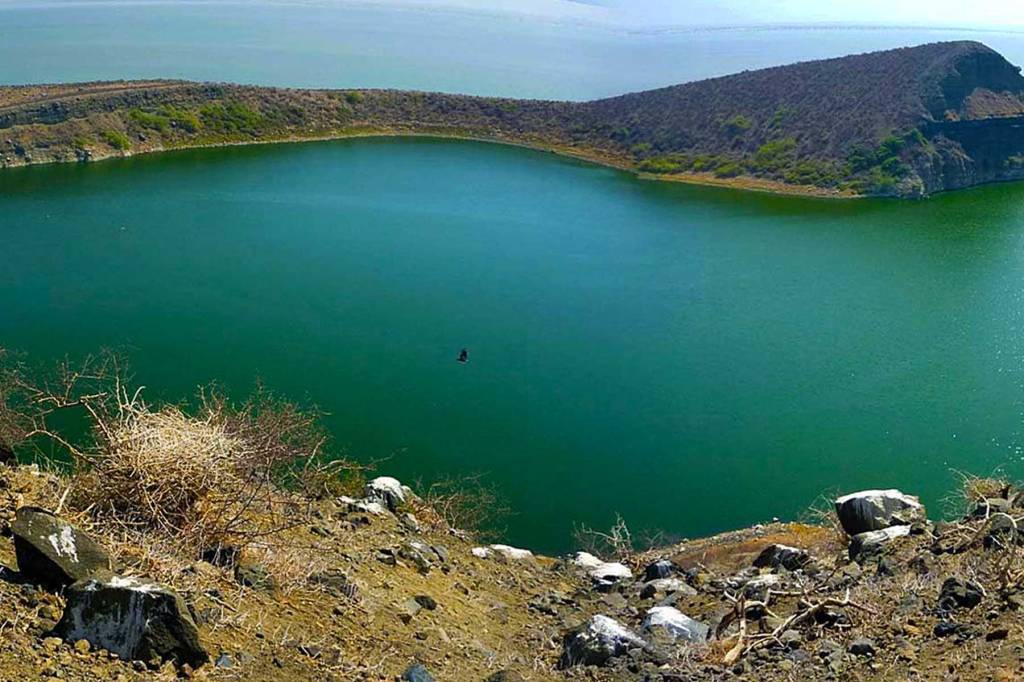
This is not a luxury safari destination or a curated resort;it is raw, authentic, and unforgettable.
The Journey There
Reaching Lake Turkana feels like stepping off the map. From Nairobi, the journey is long—either a domestic flight to Lodwar or a challenging road trip through Marsabit’s rugged hills. But the road itself tells a story: small villages, camels crossing highways, and occasional roadside markets brimming with vibrant fabrics and hand-carved crafts.
By the time you arrive, the lake seems almost surreal. The desert stretches endlessly, but the water appears like a liquid oasis, reflecting the burning orange of the horizon.
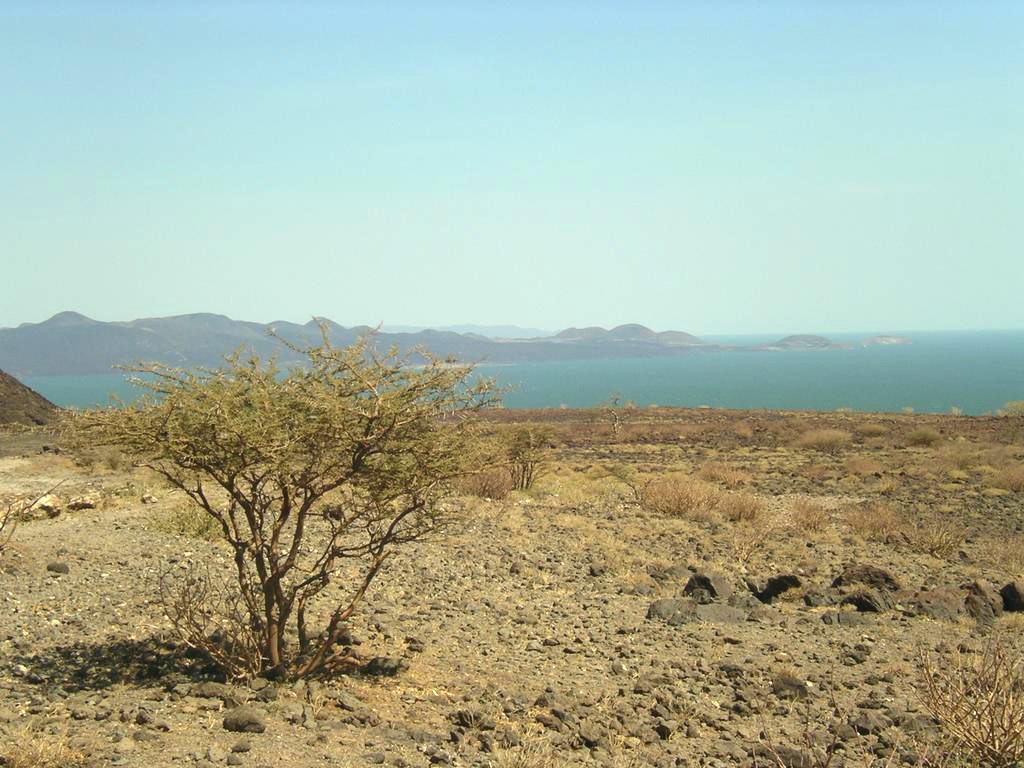
What Makes Lake Turkana Unique
Geological Marvels
Lake Turkana’s volcanic islands, such as Central Island, are alive with activity. Steam vents and craters dot the landscape, and fossils of ancient creatures hint at a time when the area was lush and green. Visiting here feels like stepping into a living museum of the Earth’s history.
Cultural Immersion
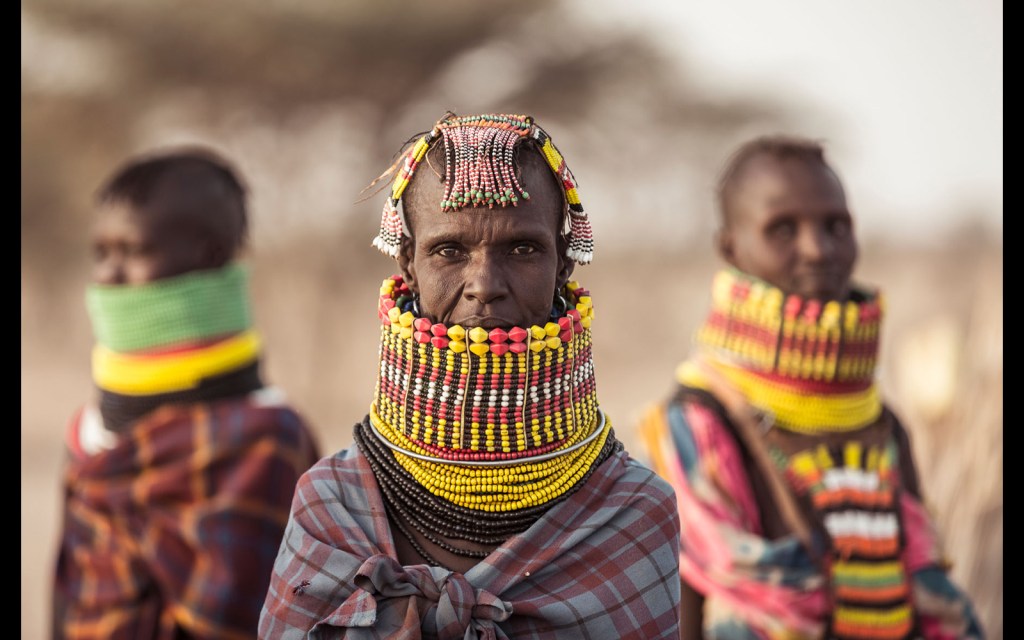
The communities surrounding the lake—El Molo, Turkana, and Rendille—live largely traditionally. Visitors are welcomed into their world: fishing along the lake with handmade canoes, tasting freshly smoked fish, or witnessing traditional ceremonies that echo centuries of survival in a harsh environment.
Biodiversity
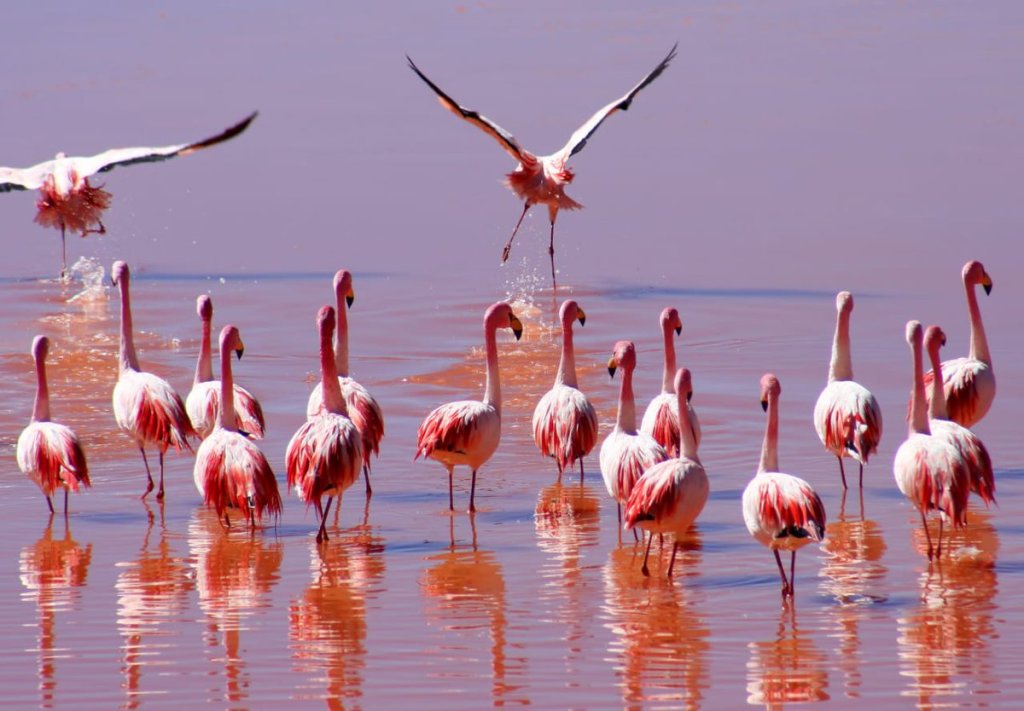
Though remote, the lake is rich in wildlife. Nile crocodiles patrol its waters, and the air often hums with birdlife. Flamingos gather along its shores in stunning pink flocks, offering a photographer’s dream.
Starry Nights & Solitude
The nights here are extraordinary. With no city lights, the sky explodes in constellations. Sitting by the lake, listening to the gentle lap of water, you feel both humbled and connected to something vast.
Practical Travel Tips
When to Go: November to March is hot but dry; June to August is cooler.
How to Get There: Fly to Lodwar or drive via Marsabit; 4×4 recommended for road trips.
Where to Stay: Options are limited to eco-lodges, small guesthouses, and community-run camps. Book ahead.
What to Bring: Sun protection, cash (cards often don’t work), and an open mind.
Why It’s a Travel Experience Like No Other
Lake Turkana is not for luxury seekers or casual tourists. It challenges your expectations of Kenya. Here, you confront the vastness of the land, witness the resilience of its people, and feel a profound stillness that most popular destinations simply cannot offer.
Traveling here changes your perspective: it reminds you that beauty is not always curated, that adventure is not always comfortable, and that real connection often happens in the most unexpected places.
Conclusion
If you want to discover the Kenya few see, immerse yourself in a place where history, culture, and nature collide, and leave your footprints in sand older than most cities, Lake Turkana awaits. It is not just a destination—it is an experience that will stay with you long after you’ve returned home.





 Sure Media Magazine
Leave a comment