
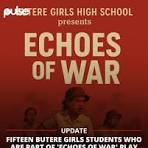
Butere Girls’ Banned Play Sparks Legal Showdown and Freedom of Expression Debate in Kenya
Butere Girls High School, a prestigious national school in Kakamega County, made headlines this year over the banning of its play Echoes of War. The play, written by former Kakamega Senator and dramatist Cleophas Malala, was disqualified from the 2025 Kenya National Drama and Film Festival — sparking national outrage, legal action, and renewed conversations about artistic freedom and government censorship in Kenya.
Inside the Controversial Play: Echoes of War
Echoes of War is a dramatic narrative exploring youth disenchantment, state repression, and generational resistance. The play, performed by high school students, follows a fictionalized youth movement that challenges corruption, unemployment, and poor governance in a post-conflict society.
Key Themes:
Youth Activism: Portrays young people as agents of change, willing to speak truth to power.
Corruption & Oppression: Mirrors real-world frustrations with state leadership and systemic failures.
Hope & National Healing: Despite its dark tone, the play ends with a symbolic call for peace and justice.
Phrases from the script that raised eyebrows include:
“The bullets of silence cannot kill the voices of truth.”
“We are the children of fire, born to resist, not to retreat.”
“When leaders sleep, the people must dream aloud.”
Critics argue that these lines resemble real political rhetoric used by activist youth online — especially the Gen Z movement, known for speaking out on X (formerly Twitter) against the Ruto administration.
The Ban and the Court Battle
On March 30, 2025, the Kenya National Drama and Film Festival Committee issued a directive barring Butere Girls from showcasing Echoes of War. The committee cited “content inconsistent with educational values and national unity.”
However, the ban triggered swift backlash. The Kenya Human Rights Commission (KHRC) and other civil society groups condemned the move, accusing the government of censorship. On April 3, 2025, the High Court in Nairobi lifted the ban, ruling that the play’s suppression violated the students’ constitutional rights under Article 33 (freedom of expression) and Article 37 (freedom of assembly and association).
Still, tensions persisted. Following the court order, the school’s administration issued a show-cause letter to one of the teachers allegedly involved in “unauthorized script modifications,” suggesting deeper internal conflict.
Public Outcry and Human Rights Concerns
KHRC has since filed a petition against the state, arguing that the crackdown on the play is part of a growing trend of youth suppression and artistic censorship in Kenya.
“This is not just about a play — it’s about silencing voices that dare to question,” said KHRC Executive Director Davis Malombe during a press conference. He drew parallels to the Moi-era crackdowns, where artists, students, and even church leaders were jailed for expressing dissent.
Furthermore, disturbing reports surfaced that during a peaceful protest in support of the play, students were teargassed by police near the school gate — raising questions about the use of force on minors.
Where Does the Government Stand?
Education Cabinet Secretary Julius Ogamba has since denied rumors that the school’s Board of Management had been dissolved, clarifying that investigations are ongoing. However, critics argue that the Ministry’s silence during the initial ban spoke volumes.
Meanwhile, several MPs, artists, and activists have taken to social media defending the students and calling for a wider inquiry into censorship in Kenyan schools.
Beyond the Stage: Why It Matters
This incident highlights a growing cultural tension in Kenya: Can students participate in political discourse through art without fear of reprisal? Or is the space for free expression shrinking under the guise of discipline and national values?
As youth-led movements gain traction across Kenya — from protests against the Finance Bill to climate justice campaigns — Echoes of War may represent more than just a school play. It echoes a generational voice demanding to be heard.
What Are Your Thoughts?
Was the decision to ban Echoes of War politically instigated? Should students be allowed to critique governance through art? And was the use of force on children ever justified?
What You Might Not Know About The BBC Film: Blood Parliament
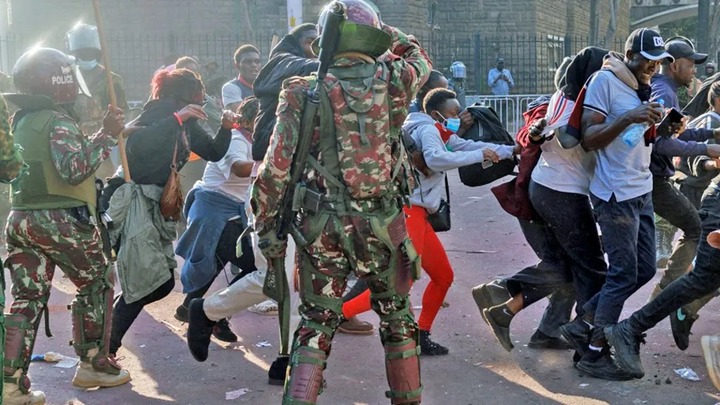
Blood Parliament is an investigative documentary produced by BBC Africa Eye that covers the tragic events of June 25, 2024—the day peaceful protestors came out in great numbers to oppose the controversial Finance Bill (2024). On this day, Kenyan security forces opened fire on innocent civilians, resulting in the deaths of many. According to the Kenya National Commission on Human Rights, over 30 people died and 361 were injured between June 18 and July 1, 2024.
The film meticulously reconstructs the events that transpired on that day, shedding light on the state’s violent crackdown that resulted in multiple deaths and injuries.
Who Is Behind the Documentary?
There is no question about the authenticity of the information relayed in Blood Parliament. The documentary crew combines eyewitness accounts, video footage, and expert analysis to provide an unflinching perspective of the government’s response to the protests. The aim of the documentary is to hold the main culprits of the bloodbath accountable and give a voice to the victims and their families.
The BBC documentary was produced by seasoned journalists and filmmakers responsible for previous exposés like “Sex for Grades” and “The Baby Stealers.” These reports have previously led to the review of international policies and arrests of main culprits, lending credibility to the investigative approach employed in Blood Parliament.
Why Did It Come Out Now?
The question on many people’s minds is whether this documentary is politically instigated. The documentary comes hot on the heels of the pact between President William Ruto and opposition leader Raila Odinga, and the new finance bill. However, the producers of the film claim that the delay was due to the extensive investigation required to piece together the events accurately and the challenges faced in accessing reliable information amidst government resistance.
BBC producers also claim the timing of the documentary was influenced by the availability of verified hospital records, authenticated footage, and confidential witness testimonies that surfaced months after the protests.
What New Information Does It Present?
Blood Parliament discloses unseen footage and testimonies that suggest a coordinated effort by security forces to violently suppress the protests. It challenges the official narrative that the demonstration was taken over by goons and raises serious questions about the government’s commitment to human rights and democratic principles.
One chilling piece of footage in the film shows an unarmed protestor being shot at close range, which contradicts police statements that only rubber bullets and tear gas were used. The documentary also features an interview with a whistleblower from within the National Police Service, who anonymously confirms that there were internal orders to neutralize threats swiftly.
Why Was It Banned?
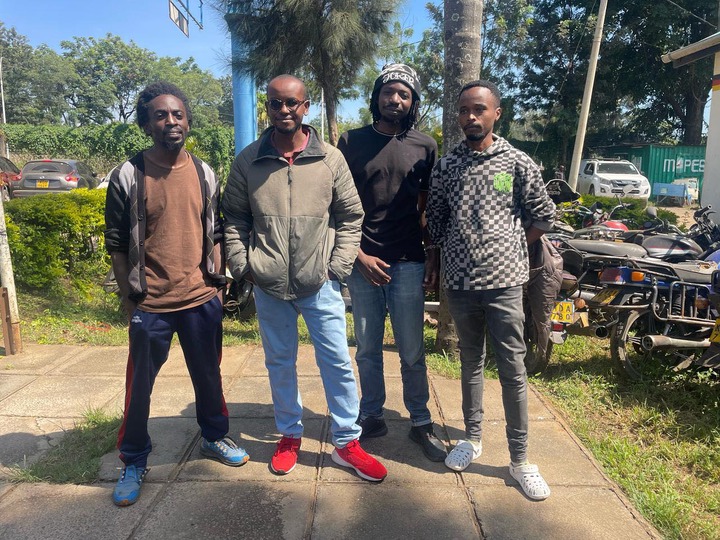
The Kenyan government attempted to prevent the documentary’s release, citing concerns over national security and potential incitement. Authorities canceled public screenings and arrested four Kenyan filmmakers associated with the project, charging them with false publication. The four—Nicholas Gichuki Wambugu, Mark Denver Karubiu, Brian Adagala, and Chris Wamae—were later released, but the authorities withheld their phones and recording equipment. The four filmmakers were held at Muthaiga and Kilimani police stations for more than 24 hours without formal charges. Their legal team has since filed a petition with the High Court, challenging their arrest as unconstitutional.
Despite the BBC’s official statement confirming that the journalists were not part of the production, the filmmakers are likely to be charged with publishing false information and cyberbullying.
This crackdown has drawn condemnation from international media watchdogs, including Reporters Without Borders and the Committee to Protect Journalists (CPJ), who noted that Kenya’s global press freedom ranking has dropped since 2023.
Implications of the Documentary
The release of Blood Parliament has reignited public discourse on police brutality, government accountability, and the right to peaceful protest in Kenya. It calls to mind the era of the Moi regime, when the freedom of the people and the press was suppressed. It has also drawn international attention to the country’s human rights record, putting pressure on the government to resolve the issues raised.
Is the Documentary Conclusive?
While Blood Parliament provides a new twist to the events of the fateful day when Kenyan protestors rejected the finance bill, it acknowledges that many questions remain unanswered. The documentary recommends further investigations to uncover the full extent of the government’s actions and to ensure justice for the victims.
Blood Parliament is more than a documentary; it’s a call for justice and accountability. As citizens, it is our sovereign duty to demand transparency from our leaders and stand in solidarity with the victims of state violence. Share this story to amplify their voices and keep the conversation alive.





 Sure Media Magazine
Leave a comment