
By Mark Onchiri
In the vast expanses of America’s Midwest, where golden fields of corn stretch to the horizon, a quiet crisis is unfolding. As the world’s largest corn producer, the United States relies on the Corn Belt—spanning states like Iowa, Illinois, Indiana, and Nebraska—for over a third of global maize output. But in 2025, extreme weather patterns driven by climate change are testing the limits of this agricultural powerhouse. Farmers who once adapted to erratic seasons with new seed varieties, adjusted planting schedules, and advanced irrigation are now facing a harsh reality: these measures are no longer sufficient to stave off devastating yield losses. A landmark study published in Nature this year warns that even with aggressive adaptations, U.S. corn yields could plummet by up to 45% by century’s end under high-warming scenarios, shifting production northward and threatening national food security.
This isn’t a distant forecast; the impacts are already here. In 2025, the Midwest has endured a rollercoaster of droughts, floods, and record heat, compounding economic pressures from plummeting crop prices and soaring input costs. As a freelance writer focused on technology, business, and digital innovation, I’ve explored how these forces intersect with rural economies, revealing a story of resilience pushed to the brink. Through data analysis, expert insights, and voices from the ground, this article delves into why the Corn Belt’s adaptation strategies are faltering, the ripple effects on farmers and communities, and the broader implications for U.S. public health and food prices.
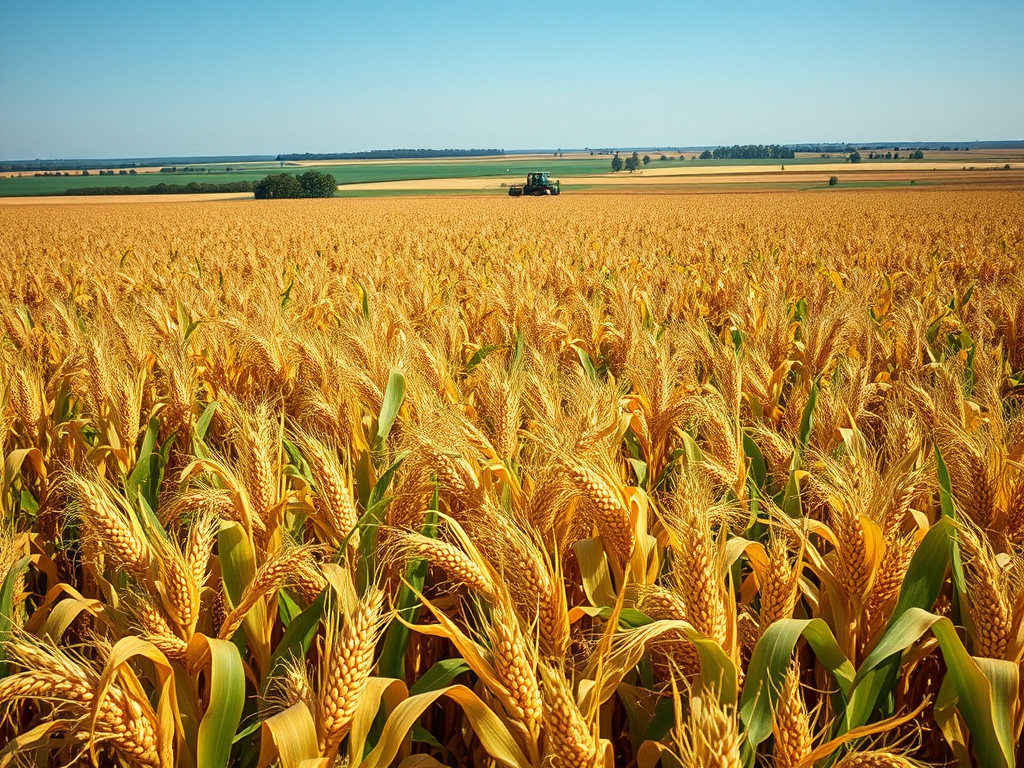
The Science: Projections Paint a Grim Picture
At the heart of the crisis is a growing body of research highlighting climate change’s outsized impact on staple crops. The 2025 Nature study from the Climate Impact Lab—a collaboration involving researchers from Stanford, the University of Illinois, and others—analyzed global crop yields under various warming scenarios, incorporating real-world farmer adaptations like switching to heat-resistant varieties or altering irrigation practices. The findings are stark: rising temperatures will slash maize production in the U.S. Midwest by 12% to 28% by century’s end, even with adaptations, as heat stress overrides benefits from CO2 fertilization. “Places in the Midwest that are really well suited for present-day corn and soybean production just get hammered under a high warming future,” noted one lead researcher in a related analysis.
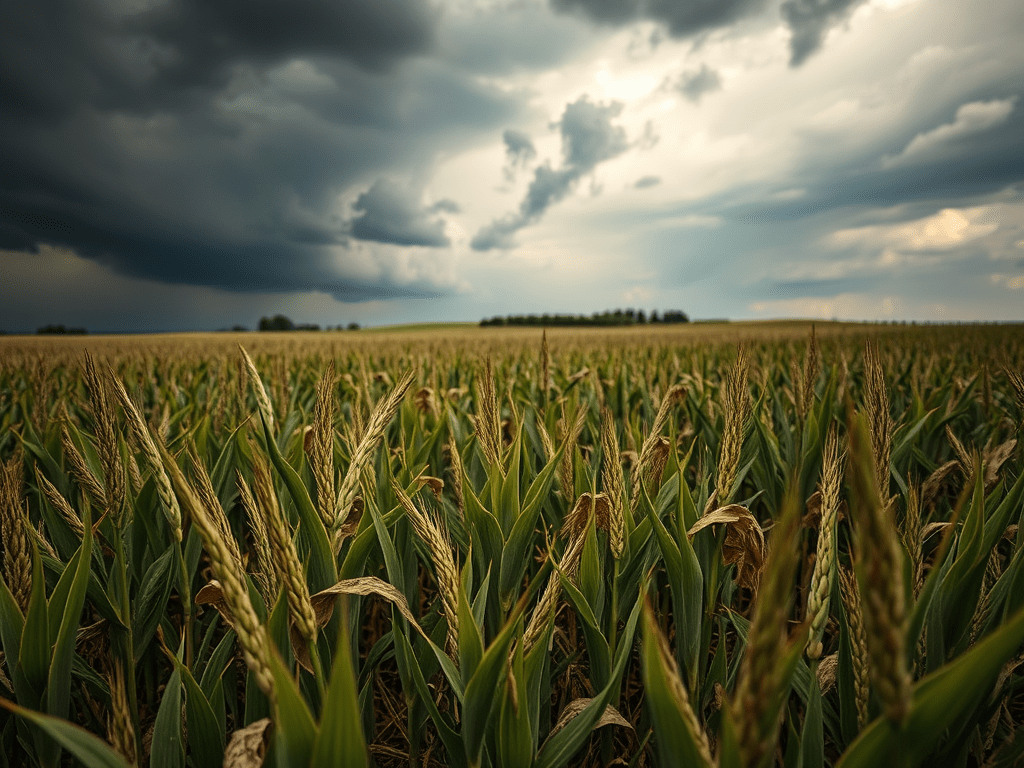
This vulnerability stems from the region’s reliance on rain-fed agriculture. Unlike irrigated farms in the West, Midwest growers depend on natural precipitation, making them susceptible to droughts and floods. In 2025, the Corn Belt saw a mix of extremes: early spring floods delayed planting in parts of Iowa and Illinois, while summer heat waves and droughts scorched fields, reducing yields by up to 37% in affected areas. Meteorologists point to intensified convective storms fueled by moisture from Corn Belt evapotranspiration, which paradoxically exacerbates both flooding and dry spells. A report from the Environmental Defense Fund echoes this, projecting that climate burdens on Midwest row crops will vary but intensify, with soil degradation and erratic weather eroding long-term productivity.
Farmers have long adapted—shifting planting zones northward as hardiness maps evolve, or adopting precision agriculture tech like AI-driven soil sensors and drone monitoring to optimize water use. Yet, as the Nature study underscores, these innovations can’t fully counteract the thermodynamic limits imposed by hotter, drier conditions. By 2050, global crop yields could drop 8% regardless of emissions pathways, with the U.S. facing steeper declines in key staples.
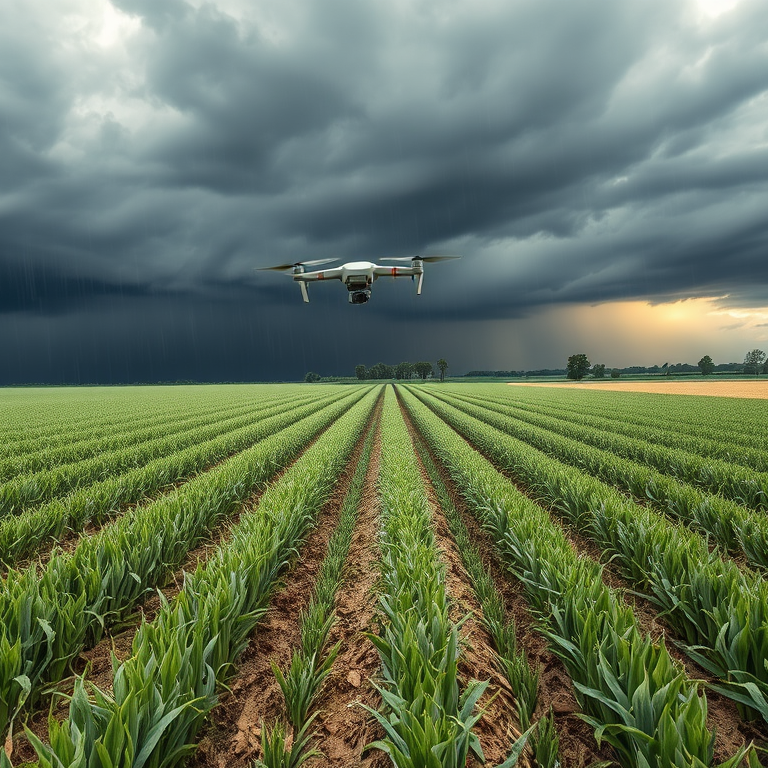
On the Ground: Farmers Grapple with Economic Squeeze
In Iowa and Illinois, the epicenter of U.S. corn production, farmers are feeling the pinch. “It’s been a tale of two extremes this year,” says one Illinois grower, describing northern counties plagued by drought (3-5 inches below average rainfall) while southern areas battled excess moisture. These shifts have disrupted traditional cycles: warmer winters bring earlier pests like southern rust, while sudden frosts and floods threaten young crops. Persistent wet conditions in early 2025 delayed fieldwork, creating uncertainty for the season ahead.
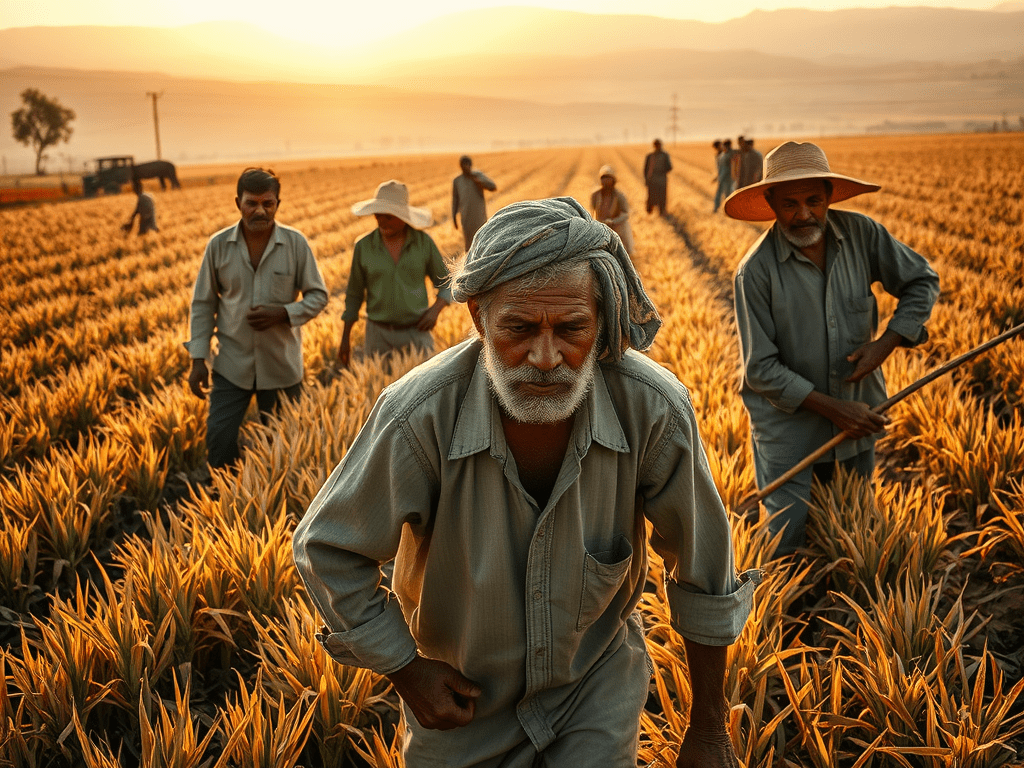
Economically, the fallout is severe. Corn prices have tumbled 23% in 2025 to levels not seen since 2016, driven by global oversupply and climate-induced volatility. Meanwhile, input costs for fertilizers, seeds, and machinery remain high, leading to negative net returns per acre for many. Economists project $20 billion in corn losses for 2025-26, part of a $44 billion hit across major crops. Farm bankruptcies are surging: nationally, filings rose 55% in 2024-25, with 181 in the first half of 2025 alone—nearly 60% more than last year. Iowa ranks second only to Arkansas in bankruptcies, as smaller operations buckle under the strain.
Larger farms may weather the storm, but family operations—the backbone of rural Midwest—are at risk. “The downward trends are affecting much of what is cultivated in the Midwest, leading many to sell their land and assets,” notes one analyst. This crisis echoes the 1980s farm bust but is amplified by climate factors, with high interest rates and trade uncertainties adding fuel.
The Human Cost: Youth Exodus and Depopulating Communities

Beyond finances, climate woes are accelerating a rural exodus. Rural America has lost population since the 1930s, but the pace quickened in the 1980s and continues today. In the Midwest, youth are fleeing unviable farms for urban opportunities, deterred by steep land costs, student debt, and unpredictable weather. Counties with high agricultural dependence show lower incomes and faster depopulation, as young people see little future in battling floods one year and droughts the next.
For instance, in Iowa, where corn is king, climate shocks like excessive moisture have slashed yields by nearly 37% in some spots, prompting generational shifts. “Young farmers face steep odds in a changing climate,” warns a Yale Climate Connections report, highlighting how these barriers hinder the next generation from sustaining rural vitality. As farms consolidate or close, communities hollow out, eroding schools, businesses, and social fabrics—a trend that could worsen without policy interventions like expanded immigration or climate-resilient programs.
Public Health Ripples: From Runoff to Rising Costs
The Corn Belt’s struggles extend to public health via nutrient runoff. Intensive farming relies on fertilizers, but heavy rains wash nitrates into waterways, contaminating groundwater and rivers. In Iowa, nitrate levels spiked in 2025, forcing water restrictions for 600,000 residents and banning use in key rivers. Chronic exposure below federal limits still raises cancer risks, blue baby syndrome, and other ailments, disproportionately hitting rural and disadvantaged communities.
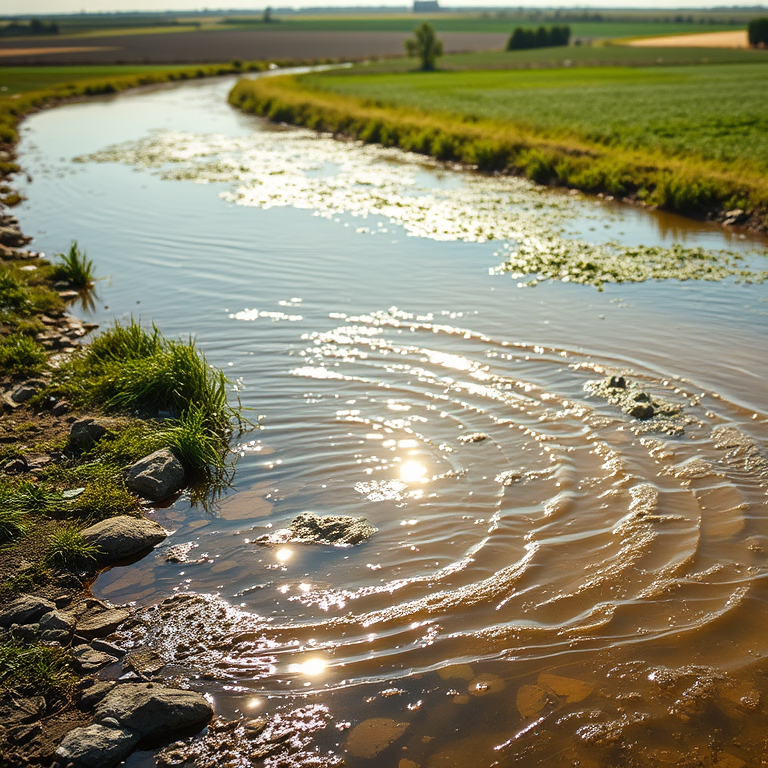
Wisconsin’s 2025 report labels nitrate contamination a “growing public health crisis,” with climate-amplified storms worsening runoff. Nationally, the Midwest ranks high in nitrate risk, threatening drinking water for millions. As yields falter, food prices rise: warming by 2035 could inflate North American food costs by 1.4-1.8% annually, straining households. USDA projections show corn prices muting but volatility persisting, impacting feed and consumer goods.
Why Adaptation Falls Short—and What Comes Next
Adaptation has limits because climate change alters fundamentals: hotter nights stress crops, while extreme events outpace tech solutions. Bills like the Strong Farms, Strong Future Act aim to bolster USDA programs for climate fight, but broader action is needed—emissions cuts, regenerative practices, and innovation in climate tech like AI forecasting.
Without it, the Corn Belt risks becoming a cautionary tale. As one economist put it, delayed action is “eroding the foundation of U.S. agriculture.” For food security, rural vitality, and public health, the time to act is now—before the heartland’s bounty turns to dust.




 Sure Media Magazine
Leave a comment