
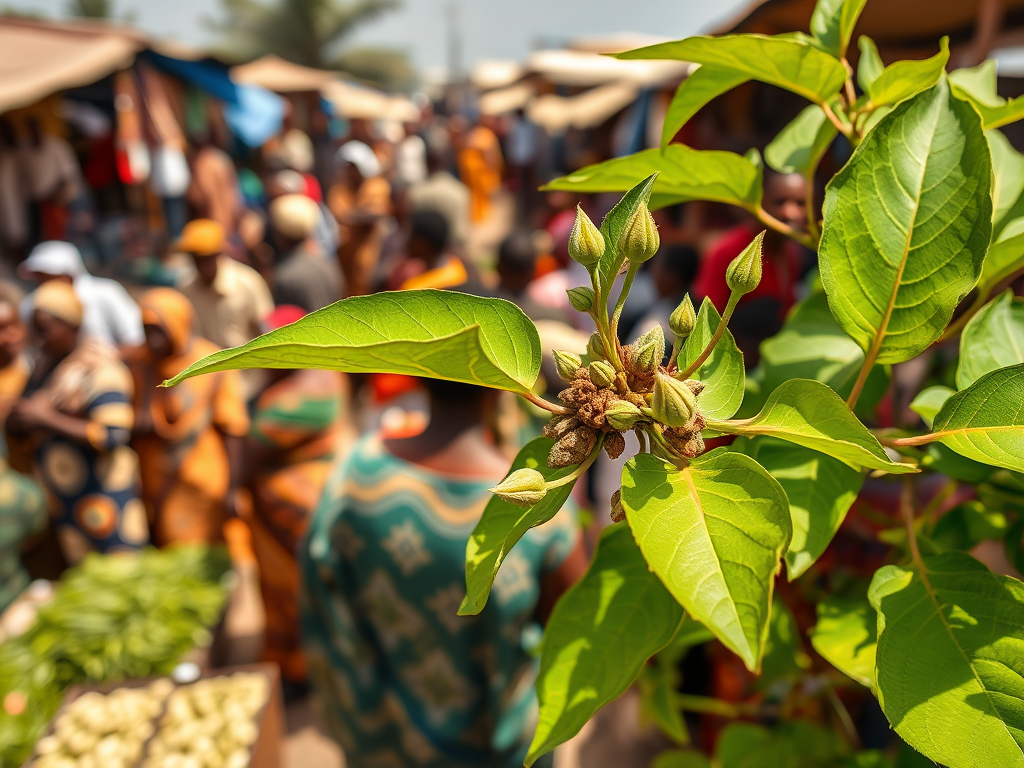
In the highlands of East Africa, a shrub called Catha edulis – known as miraa in Kenya, Khat in Ethiopia and Yemen, or qat in Somalia grows in abundance. Its fresh leaves and buds are bundled and chewed daily by millions, delivering a mild amphetamine – like high from alkaloids like cathinone and cathine. Its stimulant effects spark euphoria, sociability, and alertness, but at a cost, it causes dependence, health decline, and societal strain, Khat is more than a drug. It is an economic powerhouse, a cultural staple, and a flashpoint for rebellion against state control. This deep dive explores its dual role as a livelihood and vice, tracing farms, users, bans, smuggling, and moral debates. https://en.wikipedia.org/wiki/Khat
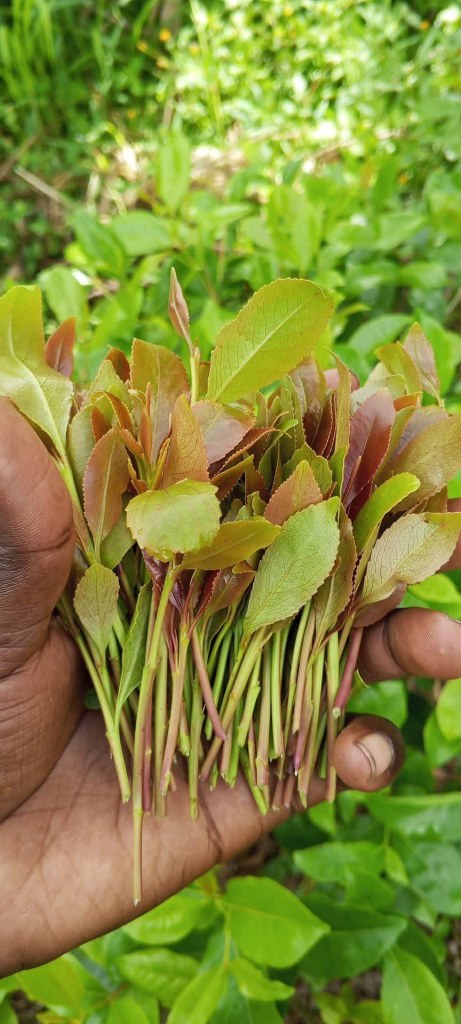
The stimulant’s grip: From buzz to Addiction
Khats effects kick in after 15-30 minutes of chewing it, releasing cathinone, which mimics amphetamine by boosting dopamine and noradrenaline. Its users feel weird for hours, talkative, focused and appetite-suppressed, an ideal scenario for long workdays or social gatherings in “chewing dens” across Kenya’s Meru County or Ethiopia’s Harar region. But its comedown brings irritability, insomnia, and anxiety fueling cycles of its use. https://en.wikipedia.org/wiki/Khat, https://pmc.ncbi.nlm.nih.gov/articles/PMC3991038/, https://adf.org.au/drug-facts/khat/
Chronic chewers face severe tolls:
-The cardiovascular risks soar with elevated blood pressure, the heart rate spikes, and a 39 fold increase in myocardial infarction (heart muscle tissue death) odds for its heavy users.
-Gastrointestinal woes like constipation and ulcers are common, alongside oral cancers from tannins and pesticides used in its farming.
Psychologically, it triggers paranoia, hallucinations, and psychosis – dubbed “khatatonia” in some cases, mirroring amphetamine abuse.
-Reproductive harms include low sperm count and birth defects, while dependence hollows families: men spend 20-30% of their income on bundles, neglecting nutrition and productivity. https://www.dea.gov/factsheets/khat, https://www.webmd.com/vitamins/ai/ingredientmono-536/khat, https://substanceabusepolicy.biomedcentral.com/articles/10.1186/s13011-023-00545-y, https://pmc.ncbi.nlm.nih.gov/articles/PMC10008818/
In Ethiopia, a 2023 study linked khat to widespread mental health issues, with chewers reporting higher depression and sleep disorders. Yet many defend it as a “mild” habit, less harmful than alcohol or tobacco, as per WHO assessments. Addiction thrives in cultural acceptance, where chewing sessions bond communities but mask its growing harm. https://substanceabusepolicy.biomedcentral.com/articles/10.1186/s13011-023-00545-y[DA1] , https://pmc.ncbi.nlm.nih.gov/articles/PMC10008818/
Livelihood on leaves: Fueling rural economies
For farmers in Kenya’s Nyambene Hills or Ethiopia’s Awaday markets, khat is gold. In Kenya, it earns farmers 5-9 times more than other staple foods like maize, supporting 500,000 livelihoods and generating $13 million monthly in exports. Ethiopia reaps over $300 million annually in revenue. It accounts for 10% of exports, outpacing coffee in some years with 93,000 hectares being cultivated. https://issafrica.org/iss-today/regulating-khat-could-disrupt-east-africas-illegal-drug-economy, https://www.thereporterethiopia.com/30684/,
Women dominate its trade networks, bundling the leaves for air shipment to Somalia, Djibouti and Yemen. In Bahir Dar Zuria in Ethiopia, khat adopters observed income leaps, funding of education and homes. On the flipside, this boom displaced food crops, exacerbating malnutrition and promoted land degradation. In 2025, khat exports hit $138 million in nine months, though down from peaks due to its over-taxation. Kenya’s miraa, meanwhile, rebounds from post-bans, with President Ruto lifting the coastal restrictions previously imposed for economic gains. https://d-nb.info/1080825258/34, https://link.springer.com/article/10.1007/s10708-022-10697-2, https://thereportermagazines.com/2951/
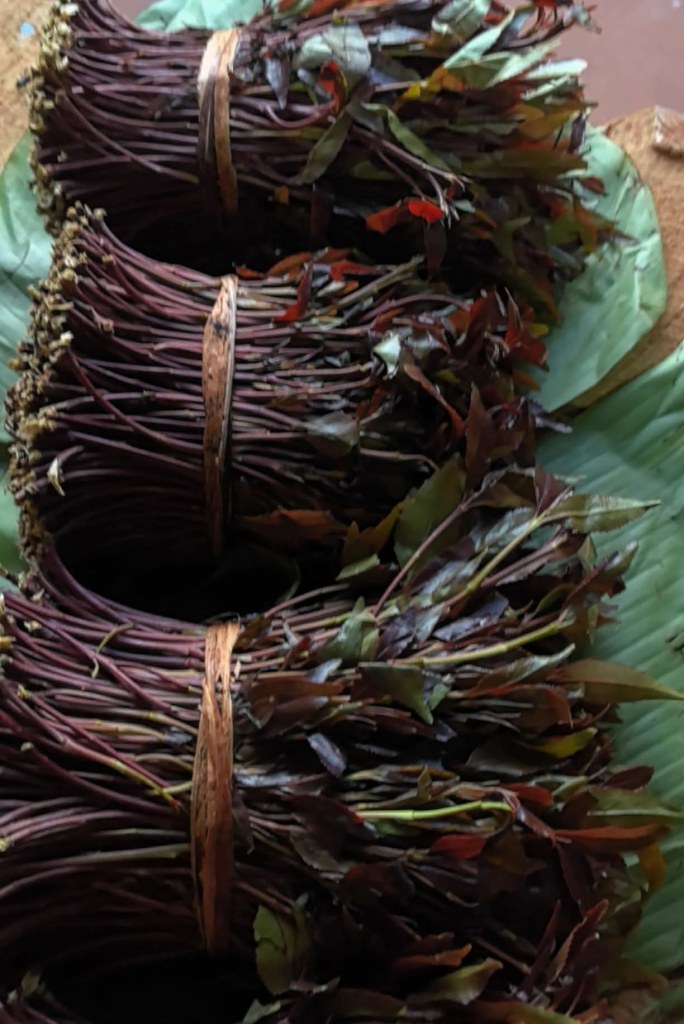
Traders navigate volatile prices, with a bundle fetching $5-10, amidst droughts or competition from synthetic market crashes. However, through khats resilience, drought tolerance and quick harvesting, it is a lifeline to many communities amid climatic woes.
Bans and shadows: Underground trade and moral panic
Khat’s legality varies widely, igniting moral panics. It is legal in Kenya, Ethiopia, Uganda and Djibouti for revenue. It is, however, banned in the US, UK, Saudi Arabia and Tanzania as a narcotic. Colonial roots trace to 1921 Somalia bans and British Kenya prohibitions, framed as protecting “natives” from its vice. https://en.wikipedia.org/wiki/Khat, https://theconversation.com/khat-in-kenya-why-efforts-to-ban-this-popular-stimulant-are-unlikely-to-work-232324, https://link.springer.com/content/pdf/10.1057/9781137321916_6
Modern crackdowns have backfired over time, The Uk’s 2014 ban devastated Kenya’s Maua Town, slashing exports and spawning smuggling. In 2024, Somalia halted Ethiopian imports amid spats between the two nations, diverting over 100,000 kgs daily underground via their porous border. Kenyan miraa filled up the gap, but Ethiopia’s contraband thrived, evading taxes and quotas. https://www.theguardian.com/world/2015/jun/26/khat-uk-ban-kenyan-farmers-poverty, https://www.thereporterethiopia.com/42047/
Moral outcries label khat a “social evil”, linking it to laziness, family breakdown and addiction among the youth. Kenya’s 2024 muguka bans in the Coastal Counties quickly sparked protests from farmers decrying their cultural erasure. Critics argued that prohibition drives crime without curbing use; and that regulation could minimize harms and disrupt ilicit drug economies. https://www.bbc.com/news/articles/c4gpl62dn26o, https://theconversation.com/khat-in-kenya-why-efforts-to-ban-this-popular-stimulant-are-unlikely-to-work-232324, https://issafrica.org/iss-today/regulating-khat-could-disrupt-east-africas-illegal-drug-economy
Cultural fault line: Tradition vs harm
Khat embodies rebellion, chewed in defiance of colonial edicts. It symbolizes resistance to state overreach. In the Somali diaspora communities, it is a nostalgic link to home. Though, bans in places like the UK fuels black markets. Defenders call it “food” or “tea,” integral to rituals and work ethic in arid regions. https://d-nb.info/1080825258/34, https://rai.onlinelibrary.wiley.com/doi/full/10.1111/1467-9655.13825
Yet this protection clashes with evidence of harm from its chronic use. In Ethiopia, khat displaced staple foods, worsening food insecurity. Kenya’s youth exposure has alarmed regulators, with calls for age limits under child rights frameworks. The fault line? Why criminalize khat while alcohol flows freely? Selective bans highlight power imbalances: Western prohibitions vs East African tolerance. https://ethiopianbusinessreview.net/khat/, https://theconversation.com/khat-in-kenya-why-efforts-to-ban-this-popular-stimulant-are-unlikely-to-work-232324
A thorny future Khat defies easy labels, vice or virtue. It powers economics, binding communities while eroding health and medical stability. As 2025 winds up, with Kenya potentially overtaking Ethiopia economically amid Khat’s role, calls for balanced regulation are now growing. Tax reforms, health campaigns, and diversification could help harness benefits without the ruin. Until then, this leaf remains a potent symbol of societal indulgence, and defiance. https://africa.businessinsider.com/local/markets/kenya-set-to-dethrone-ethiopia-as-east-africas-largest-economy/cx9dxfb




 Sure Media Magazine
Leave a comment