
By Mark Onchiri

Introduction
What feels polite in one country can feel rude in another. A simple greeting, a shared meal, or even showing up “on time” can trigger confusion, embarrassment, or surprise when cultures collide. These moments – often small and unexpected – are what we call culture shock. Across the world, everyday habits reveal deep cultural values that shape how people live, work, and connect.
Why Culture Shock Happens
Culture shock occurs when familiar social cues disappear. Every society develops its own unwritten rules about politeness, time,space, and behaviour. Locals follow these rules instinctively, while outsiders often discover them through uncomfortable moments.
What makes culture shock powerful is that it often involves small, everyday actions, not dramatic differences.
Greetings and Body Language
In many Western countries, direct eye contact signals confidence and honesty. In parts of East Asia, however, prolonged eye contact can be seen as confrontational or disrespectful.
- Japan: Bowing is a sign of respect; loud greetings in public spaces are discouraged.
- United States: Handshakes, smiles, and casual greetings are common – even with strangers.
- Kenya: Warm greetings are expected, often accompanied by questions about family and well-being.

Foreigners often underestimate how much greetings reflect cultural values like respect, hierarchy, and community.
Time and Punctuality
Time perception is one of the biggest culture shocks worldwide.
- Germany: Punctuality is a sign of professionals and respect. Being late is frowned upon.
- France: Time is flexible in social settings, especially around meals.
- Kenya and Parts of Africa: Relationships often take priority over strict schedules.
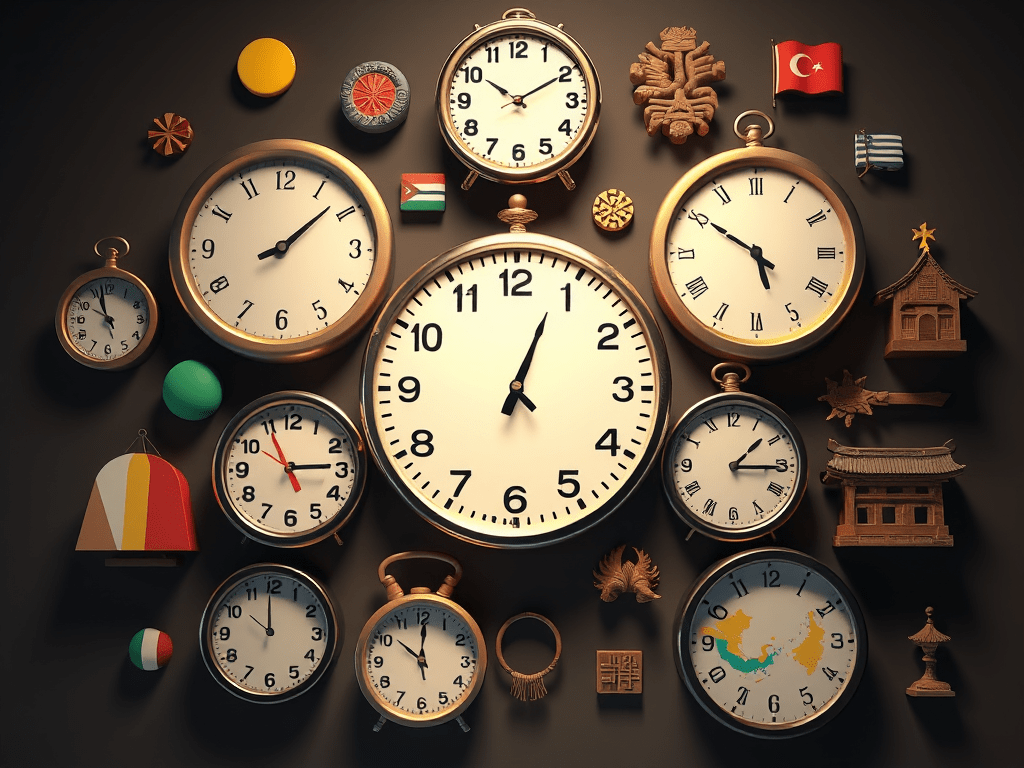
What one culture considers “late,” another may consider normal.
Eating Habits and Table Manners
Food culture reveals deep social norms.
- France: Meals are social events, not rushed necessities.
- India: Eating with hands is common and culturally accepted.
- Japan: Slurping noodles is polite– it shows appreciation.
- United States: Eating on the go is normal and efficient.

What feels friendly in one culture may feel invasive in another.
Rules, Order, and Social Expectations
Some cultures rely heavily on rules, while others emphasize flexibility.
- Germany and Japan: Rules are followed loosely in public life.
- United States: Individual freedom is prioritized.
- Kenya: Social relationships often influence how rules are applied.
Foreigners are often surprised by how differently societies balance order and adaptability.
Why Understanding These Differences Matters
Understanding cultural differences reduces misunderstandings and builds respect. For travelers, expats, and global professionals, cultural awareness isn’t just polite– it’s essential.

Culture shock becomes less overwhelming when people approach differences with curiosity rather than judgement.
Conclusion
Everyday habits reveal the invisible rules that guide societies. Culture shock reminds us that “normal” is not universal– it’s cultural. By understanding how people greet, eat, manage time, and share space, we gain deeper insight into the values that shape communities worldwide.
In a connected world, cultural awareness is no longer optional– it’s a global skill.





 Sure Media Magazine
Leave a comment