
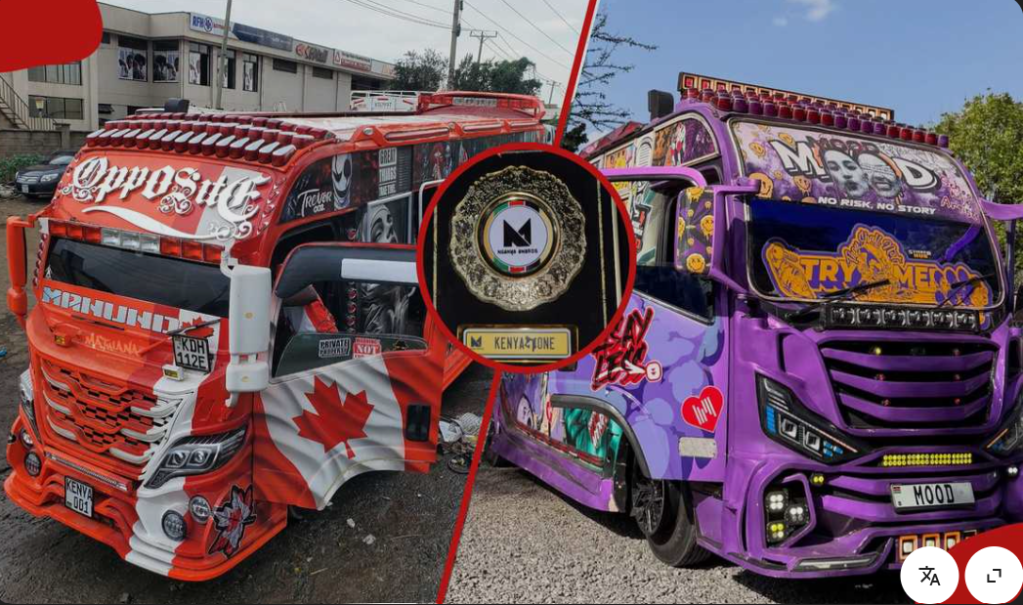
You have probably seen it if you have ever been stuck in Nairobi traffic at night—a matatu rolls up blasting music so loud the ground shakes, lights flashing all over like a moving disco, covered in wild graffiti from floor to roof. The tout is hanging half out the door, shouting to pull in passengers, and everyone is inside vibing like it is a club. That is a real nganya for you. It is not just about getting home; it is the whole experience that makes the ride fun. These flashy matatus are Kenya’s way of saying that everyday life does not have to be boring. For a lot of us young people navigating the city’s chaos, hopping on one feels like a quick escape—good music, incredible art, and that shared energy with strangers who suddenly feel like friends.
Where It All Came From
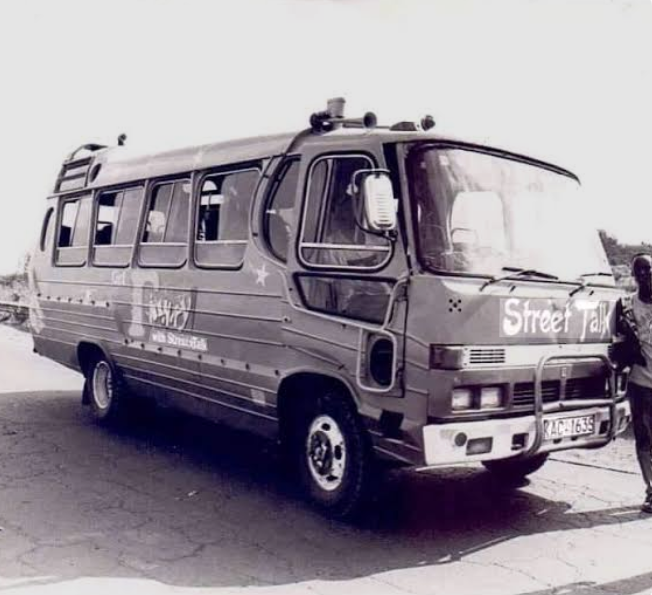
Matatus date back to the 1950s or ’60s, when individuals started operating private minibuses to fill the gaps in public transportation. The name “matatu” comes from the old fare—three shillings, or “mang’otore matatu” in Kikuyu. They were basic at first, but by the ’80s and ’90s, hip-hop had started influencing things: more stickers, louder speakers, and brighter colours. Then, in the 2000s, it took a next-level turn with complete custom jobs—owners spending millions on paint, sound, and lighting. That is when “nganya” (from manyanga, meaning flashy) became the term for the top-tier ones. Things quieted down for a bit after the strict Michuki rules cracked down on safety issues, but around 2015, when the rules eased up, the scene exploded again. Now it is a proper hustle—artists, mechanics, crews all eating from it.
What Turns a Regular Matatu Into a Nganya
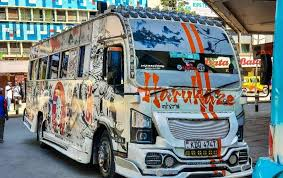
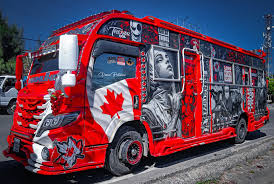
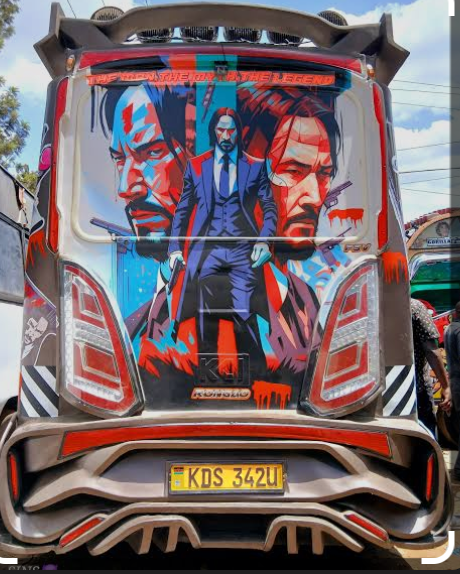
You know it is legit when you see it from far—the body painted with airbrush art of football stars like Ronaldo, superheroes, Kenyan flags, or funny Sheng lines like “No Risk No Story” or “Money Talks We Translate.” At night, the LED strips light up everything, syncing to the beat.
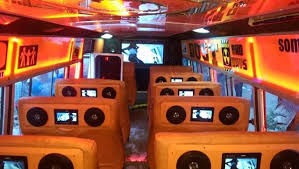
Inside is where it hits different. Big subwoofers that make your seat vibrate, screens playing the hottest gengetone or arbantone videos, comfy seats (sometimes buckets), chargers everywhere, even Wi-Fi or solar setups on the newer ones. The music never stops—it is all about that party vibe. And the crew? That is half the fun. The driver stays cool, weaving through traffic, while the makanga (conductor) is out there dancing, hyping passengers, collecting fares with jokes. For many riders, especially after a long day, it is straight-up therapy—loud enough to forget your problems for a bit.
The Big Names Ruling the Roads Right Now
The Nganya Awards took place on November 29 at KICC, and it was packed with fans and crews showing off. Umoja’s Opposite (aka Manunda) retook the Kenya One crown—for the fourth time straight.
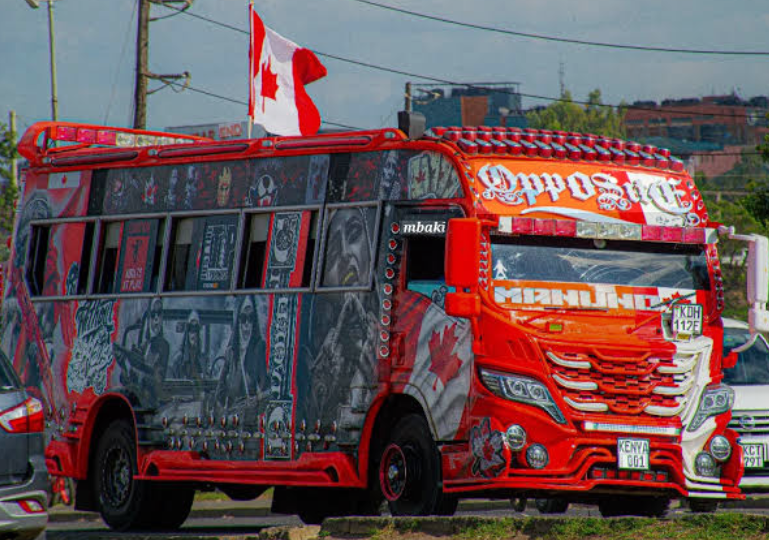
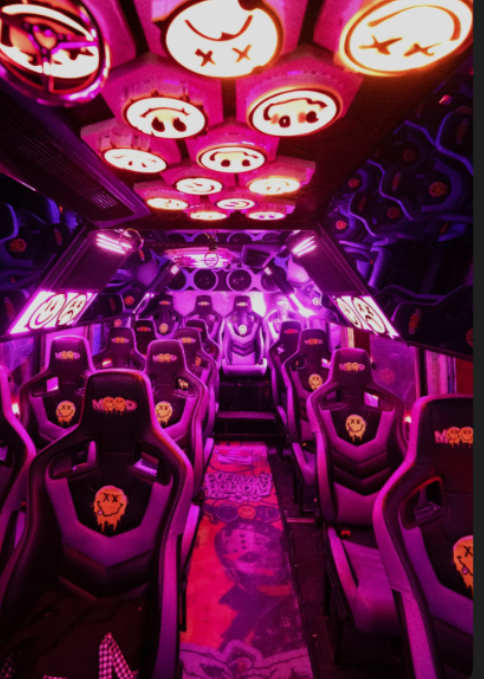
That red-and-white Canadian Airways theme, killer sound, and solid crew keep it on top. People were going wild when they announced it. George Ruto’s purple Mood came in strong as a contender—featuring solar panels on the roof, a luxury interior, and massive hype around its launch. However, Opposite held the throne. Rongai brought heat too: pink Moxie for chill rides, intense Baba Yaga (John Wick vibes), and Phenomenal, which grabbed Sound Beast with its Starlink setup. MoneyFest and others kept it competitive.
The Real Impact: Jobs, Money, and the Flip Side
The matatu industry injects more than KSh 200 billion annually into the economy, and approximately 70 per cent of the Kenyan population depends on matatus every day. In Nairobi alone, there are thousands of them, and some earn KSh 100,000 or more in a day. It employs graffiti writers, sound installers, drivers, and touts — fact: youth hustle.
One of the artists referred to the matatus as the big drawing book, which provided young talent with employment and exposure. To riders, particularly Gen Z, it is cheap entertainment and self-expression, with Sheng flying and local music booming. However, there is one primary concern: safety. In this year alone (January-April), more than 4,600 people died on Kenyan roads, with a vast number of them in a PSV accident due to overloading, speeding, and poor maintenance. Noise is annoying, and specific designs are overloaded with foreign designs as opposed to local designs. Such incidents as the Awards now put disciplined crews and road safety into some balance with the flash.
Why It Hits So Deep for Kenyans
It is bigger than it looks. Nganyas keep money flowing—jobs for painters, sound guys, drivers, touts. Some pull in serious cash every day. They promote Sheng slang, local tunes, and provide youth with a way to express themselves when things feel tough. The awards now also highlight safety, recognising disciplined crews. Sure, there is shade—complaints about noise, stories of crazy driving, or folks arguing the art copies too many foreign stars instead of Kenyan legends. However, overall, it is evolving: solar power, better technology, and still centred in areas like Umoja, Embakasi, and Rongai.
That Feeling You Cannot Get Anywhere Else
Back to that lit-up matatu cutting through the night—it captures everything. In a city that can sometimes grind you down, nganyas remind you to turn up, create something dope, and connect with people. If you are in Nairobi, skip the plain rides next time. Hop on a nganya, crank up the vibes, and check the details in the art. You will get why it is so addictive.
Do you have a favourite one that you have ridden? Or a slogan that cracks you up? Share this with someone who needs a proper matatu story, or go out and catch one yourself. The roads are waiting—let us keep that energy going!




 Sure Media Magazine
Leave a comment