
The Quiet Wounds of Democracy: Kenya’s Struggle With Election-Season Violence
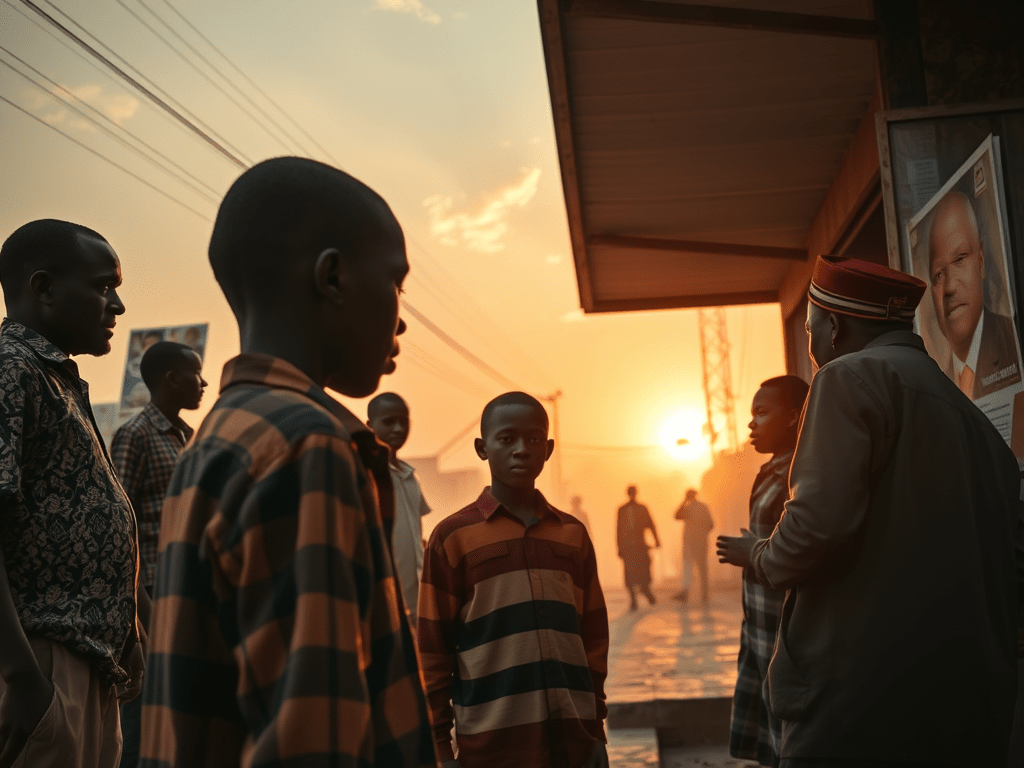
On a dusty evening in Kisumu, the sun was sinking behind the lake when 17-year-old Brian Odhiambo stood outside his family’s kiosk, watching a group of adults argue about politics. It was the kind of conversation that had become common as the election season approached—voices rising, tempers flaring, people taking sides with more passion than caution. Brian didn’t think much of it at first. Political debates were part of life. Everyone had an opinion.
But by the time night fell, the same neighborhood that usually echoed with laughter and football chatter had grown tense. People hurried home earlier than usual. Cars moved a little faster. Parents told their children to stay close. It was a familiar feeling—one that many Kenyans recognized instantly. Election season had arrived, and with it came an air of uncertainty that settled over communities like a silent cloud.
A History That Still Lives in Memories
Kenya’s elections have long been accompanied by fear of instability. Although the vast majority of citizens desire peaceful democratic transitions, history has left marks that people cannot easily forget.
The violence that erupted in 2007–2008 haunts the memories of many families, even those who were very young at the time. Some lost homes. Some lost livelihoods. Some were displaced for months. Even those who did not face direct harm grew up hearing their parents speak in hushed tones whenever election dates were announced. The trauma did not disappear—it settled into the rhythm of life, creating a generation that associates elections not only with civic responsibility but also with anxiety.
“Every election year, my mother stocks extra food,” says Brian. “She doesn’t want to be caught off guard. She always says, ‘We will hope for peace, but we must be prepared.’”
While Kenya has made significant progress since those dark months, the emotional and psychological scars remain, shaping how communities experience each political cycle.
Ordinary Lives Disrupted by Political Tensions
Political violence in Kenya often begins subtly. A disagreement at a stage, a heated exchange on a matatu, rumors spreading on WhatsApp, youth groups moving around neighborhoods, or politicians using divisive language during rallies. These moments—small in isolation—can build into something larger.
In Nairobi’s informal settlements, tension tends to rise first. Areas such as Kibera, Mathare, and Kawangware often feel the pressure early because political competition there is intense and highly visible. Campaign posters multiply on walls, street corners become rally points, and leaders tour the neighborhoods promising jobs, support, and representation.
For 18-year-old Ruth, who grew up in Mathare, elections always meant changing routines. “My mum would not let me walk alone,” she recalls. “Even going to the shop felt different. Some roads felt unsafe. People just acted differently.”
But political violence is not always about large conflicts. Sometimes it is the quieter disruptions that hurt most—businesses closing early, fear of being in the wrong place wearing the wrong colors, or communities suddenly divided along political lines.
“What used to be normal friendships become strained,” says Ruth. “During campaigns, even small disagreements can turn into something big.”
The Human Cost Behind the Headlines
When newspapers report political violence, the focus often falls on clashes, arrests, or confrontations between rival groups. But behind those headlines are human lives—people whose stories rarely make it into print.
Brian’s family experienced this firsthand during the 2017 elections. Their kiosk had been open in the same location for nearly eight years, serving regular customers from both sides of the political divide. But one evening, as tension escalated in Kisumu after disputed results, a group of youths began arguing near the shop. The conflict spilled toward the kiosk, and in the chaos, the small wooden structure was damaged.
“No one actually meant to target our business,” Brian explains. “They were just fighting among themselves. But we felt the effects.”
For weeks, his family struggled to reopen. The income that supported their household disappeared overnight. His younger siblings had to postpone school for a week because they couldn’t afford transport and lunch.
“It wasn’t that we were attacked,” he says. “It’s that we got caught in something that had nothing to do with us.”
This is the lesser-told story of political violence—the quiet devastation felt by families who simply happen to live in the wrong place at the wrong time, or who depend on daily earnings that vanish when tensions rise.
Young People at the Center of the Storm
Kenyan youth often find themselves at the heart of election-season unrest, not because they desire conflict, but because they are the most affected by unemployment, social pressure, and political manipulation.
Some are recruited by political actors with promises of money, food, or “opportunities.” Others get caught up in peer influence. Many simply find themselves in the middle of situations they did not choose.
But there is another side to this story.
Across the country, young people are also leading peace initiatives. Student groups, church youth leaders, community organizers, and young entrepreneurs have become powerful voices calling for peaceful campaigns.
In Eldoret, 19-year-old Lydia volunteers with a youth peace club that organizes dialogue sessions in her neighborhood. “We tell people that elections are just one moment,” she explains. “Life continues after that. We still have to live together.”
Such initiatives, though humble, play a significant role in calming tensions. Young people understand that they have the most to lose when violence erupts—and the most to gain from stability.
The Emotional Weight of Election Seasons
Beyond the physical risks, political violence leaves emotional wounds that take longer to heal. Fear becomes part of everyday life. Parents worry about their children walking outside. Teenagers avoid gatherings. Public transport routes change. Curfews appear informally as people rush home before dark.
For many families, election seasons are marked not by excitement or civic pride, but by silent prayers and cautious optimism.
“We love our country,” says Ruth. “But elections feel like a test we have to survive.”
This emotional burden, carried quietly by millions, shows that political violence extends far beyond physical confrontations—it affects mental health, community trust, and social cohesion.
Hope for a Different Future
Despite the challenges, Kenya continues to show resilience and progress. Many elections in recent years have passed peacefully in countless towns and villages. Civil society groups have strengthened their work. Religious leaders have frequently stepped in to encourage calm. Technology has improved transparency. And more youth are choosing peace, rejecting manipulation, and demanding accountability.
In Kisumu, Brian is now part of a community youth forum that holds discussions before elections. They meet in the evenings at a local hall, sharing stories about past experiences and teaching younger teens how to stay safe and avoid risky gatherings.
“I don’t want my siblings growing up in fear,” he says. “We deserve elections where people disagree with respect. We may vote differently, but we still live in the same Kenya.”
A Nation Still Growing, Still Hoping
Kenya’s struggle with political violence during elections is not a simple story of conflict—it is a story of resilience, healing, and slow but meaningful change. It is the story of families who rebuild, communities that choose peace, and young people who refuse to repeat the mistakes of the past.
As the country continues to evolve, the hope remains that future elections will be defined not by fear, but by confidence; not by tension, but by trust; not by conflict, but by unity.
Because deep down, beneath the politics and the pressure, ordinary Kenyans—people like Brian, Ruth, Lydia, and millions more—want the same thing:
A peaceful place to call home.





 Sure Media Magazine
Leave a comment