

African creators aren’t just following trends—they’re rewriting the Internet’s visual language with style and confidence.
By CHARCHER MOGUCHE
Scroll through your feed: the vibrant textures, bold silhouettes, and fearless streetwear dominating your explore page likely trace back to a lane in Lagos, a market in Nairobi, or a rooftop in Johannesburg. While the world thinks it’s “discovering” African fashion online, the truth is inverted: African creators have been quietly, insistently, and brilliantly teaching the Internet how to see, style, and share themselves.
For decades, global fashion hierarchies positioned the West as the tastemaker. Paris, Milan, and New York dictated what counted as style, while African aesthetics were often relegated to the exotic or folkloric. Today, cities across the Global South are subverting these hierarchies—not by seeking approval, but by creating cultural ecosystems that shape global taste online. Through hyperlocal streetwear, bold self-expression, and an intimate understanding of social media mechanics, African creators are crafting the Internet’s new visual vocabulary. They’re not following trends; they’re setting them, proving that style—and influence—flows outward from unexpected centers.
The Geography of Influence
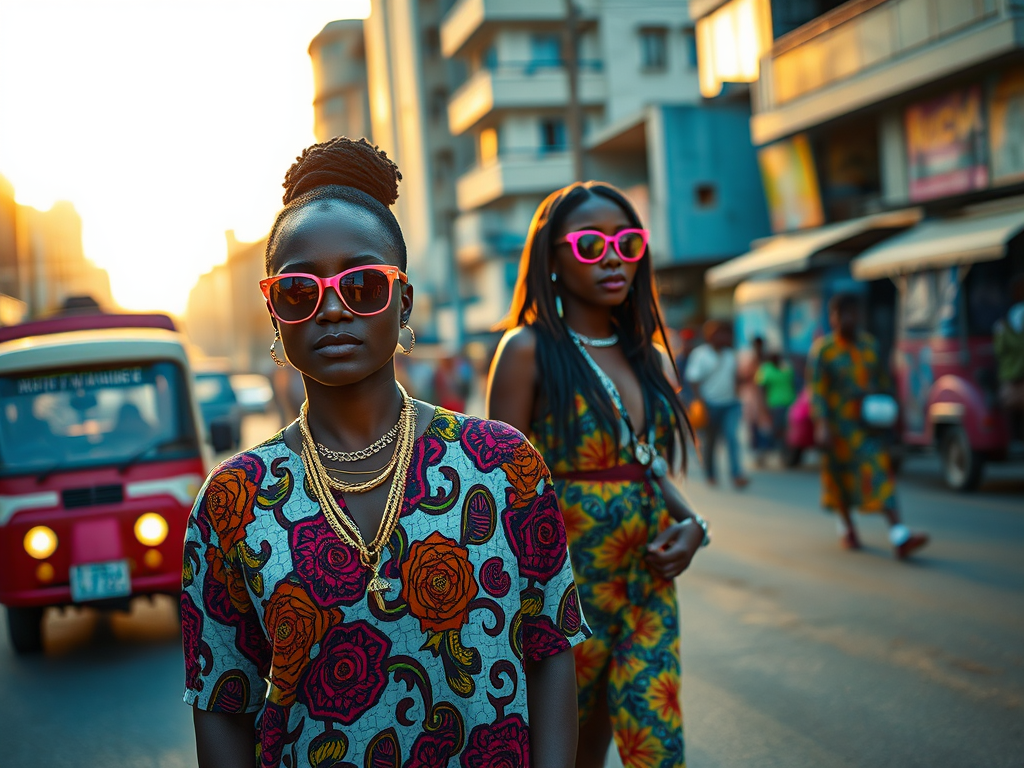
Walk through Nairobi’s Eastlands neighborhood or Lagos’ Lekki streets, and you’ll see it in real time: a daring mix of textures, vibrant prints, and personal experimentation. Johannesburg’s Braamfontein scene adds another layer—a fusion of traditional fabrics, skate culture, and digital fluency. These cities aren’t just producing clothes; they’re producing moods, attitudes, and imagery that travel globally at lightning speed. What starts as a hyperlocal look on a quiet street can land on a London influencer’s feed within hours, often without any traditional fashion intermediaries.
Reversing the Narrative
For too long, narratives of globalization framed Africa as the “borrower,” absorbing Western influence. That frame collapses when you watch creators like Nigerian TikTokers remixing Ankara prints into futuristic streetwear, or South African Instagrammers styling township braids alongside high-fashion sneakers. Here, the Internet isn’t globalizing African style; African style is globalizing the Internet. The platforms are tools, not tutors. The content spreads not because of exoticism but because it is visually compelling, authentic, and culturally grounded.
Authenticity as a Strategy
The appeal isn’t just aesthetics—it’s ethos. In a world saturated with polished, curated content, African creators thrive by leaning into their environment: a market bustle, the creak of a matatu, a backyard rooftop. These creators show that authenticity is currency. Each outfit tells a story, each post carries context, and each look is inseparable from its place of origin. Unlike Western fashion, which often divorces image from life, these creators embed their aesthetics in lived experience.
Pull-Quote:
“The Internet didn’t globalize African style—the continent’s creators did. We taught the world how to play, remix, and own their own visual narrative.”
Subverting Hierarchies
This aesthetic rebellion carries political weight. By centering African streets as epicenters of trend, the Global South challenges Western assumptions of authority in style and taste. It’s a soft-power movement, coded in color, pattern, and silhouette. It doesn’t announce itself with fanfare; it spreads quietly through likes, shares, and subtle imitation, ultimately reshaping what the world considers aspirational.
The Digital Classroom
Instagram, TikTok, and BeReal have become classrooms where African creators instruct global audiences. Tutorials, style breakdowns, and streetwear showcases teach digital citizens how to combine patterns, textures, and stories in ways previously relegated to ethnography textbooks. The beauty of this influence is that it’s reciprocal. Western audiences learn visual literacy grounded in African aesthetics, but African creators also gain tools to iterate, remix, and amplify their culture at scale.
Ways African Creators Are Shaping Global Style
- Hyperlocal Inspiration: Streets, markets, and neighborhoods dictate trends more than runways.
- Platform Fluency: Mastery of Instagram reels, TikTok transitions, and viral storytelling.
- Authentic Storytelling: Style is inseparable from lived experience, making aesthetics inseparable from identity.
Beyond Fashion
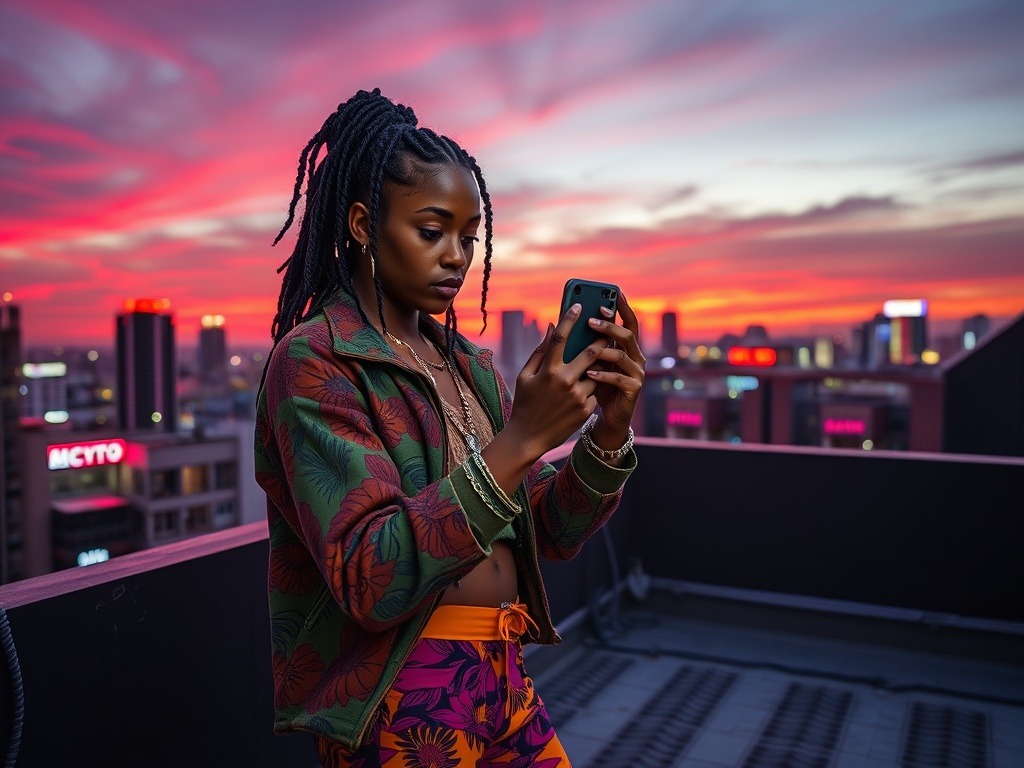
This movement isn’t limited to clothes. Hairstyle, photography, video editing, and even digital vernacular are affected. A hairstyle seen on a Lagos street might become a viral TikTok trend. A Johannesburg photographer’s lighting choices influence Instagram feeds worldwide. The Internet has become a living gallery where African creators curate the mood, the energy, and the visual grammar.
Implications for the Future
As Western brands increasingly mine African aesthetics for inspiration, the shift in power is palpable. It is no longer just a conversation about appropriation or influence—it’s a recognition that cultural authority is decentralized. The Internet is no longer a one-way channel; it’s a feedback loop, where African creators set rhythms that the rest of the world dances to.
African style teaches the Internet how to see itself—not as a passive consumer of trends, but as a dynamic, collaborative, and visually literate organism. This is a new era of influence, one where bold prints, rooftop backdrops, and street-smart creativity dictate what the world admires. The lesson is clear: global taste no longer trickles down; it erupts from unexpected streets, voices, and feeds.
Next time you double-tap a striking outfit online, pause. Consider where it started. Consider who taught the Internet how to see. Chances are, it was an African creator, somewhere in the bustle of Nairobi, Lagos, or Johannesburg—leading, teaching, and reshaping the world’s visual imagination.





 Sure Media Magazine
Leave a comment