


A wide aerial view of a city surrounded by patches of green, shifting light suggesting a change of seasons
Cities are often described as steel, glass, noise, and busy roads. But if you look closely, you will notice that cities are also ecological landscapes filled with seasonal rhythms. The way light falls on a building in January is different from how it looks in August. The food you crave in June is not the same as what you want in November. Even migration patterns of people, birds, and insects follow the calendar.
1. Understanding the City as an Ecosystem
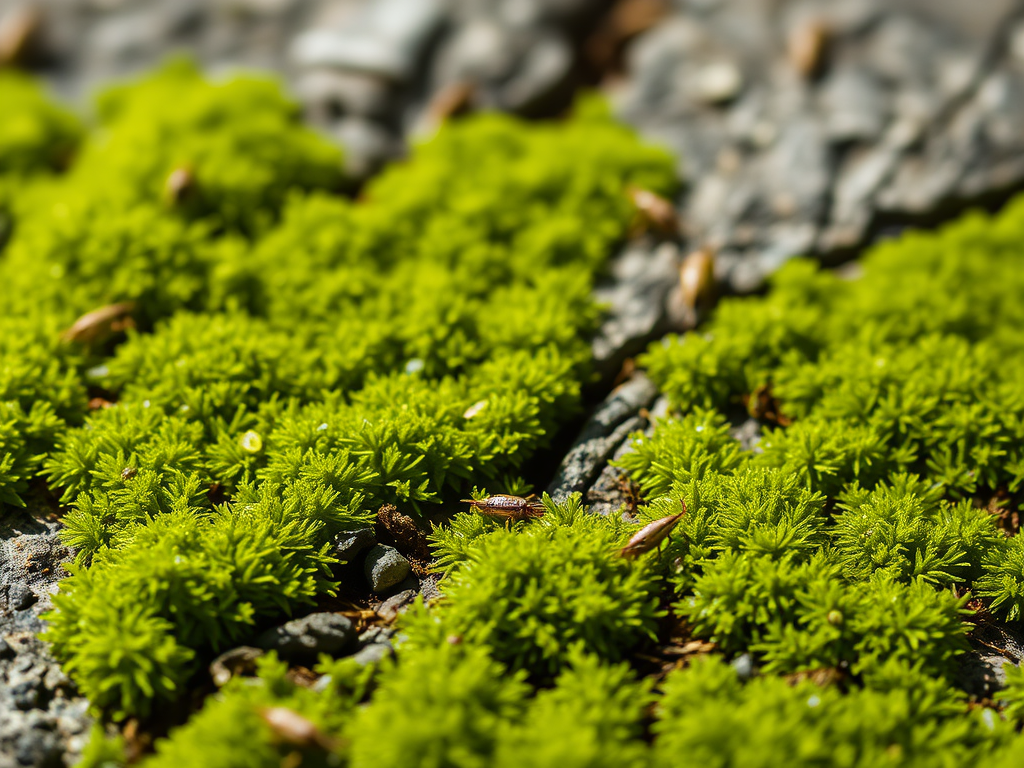
Close-up of moss growing on concrete, tiny insects moving between cracks
Although cities may appear artificial, they function like living ecosystems. Air, water, temperature, and soil all move through urban spaces. Animals adapt to human noise. Plants find creative ways to grow between stones. People migrate in and out, forming new cultural patterns.
Key ecological elements in cities:
- Plants: street trees, balcony gardens, wild weeds pushing through pavements.
- Animals: birds, dogs, cats, insects, bats, and even monkeys in some regions.
- Water: rainfall, drainage systems, rivers, and wetlands.
- Climate: heat, rainfall, humidity, and wind patterns.
- People: workers, travellers, migrants, students, families, and vendors.
Cities breathe. And like any living body, they change with the seasons.
2. January–March: Season of Quiet Renewal
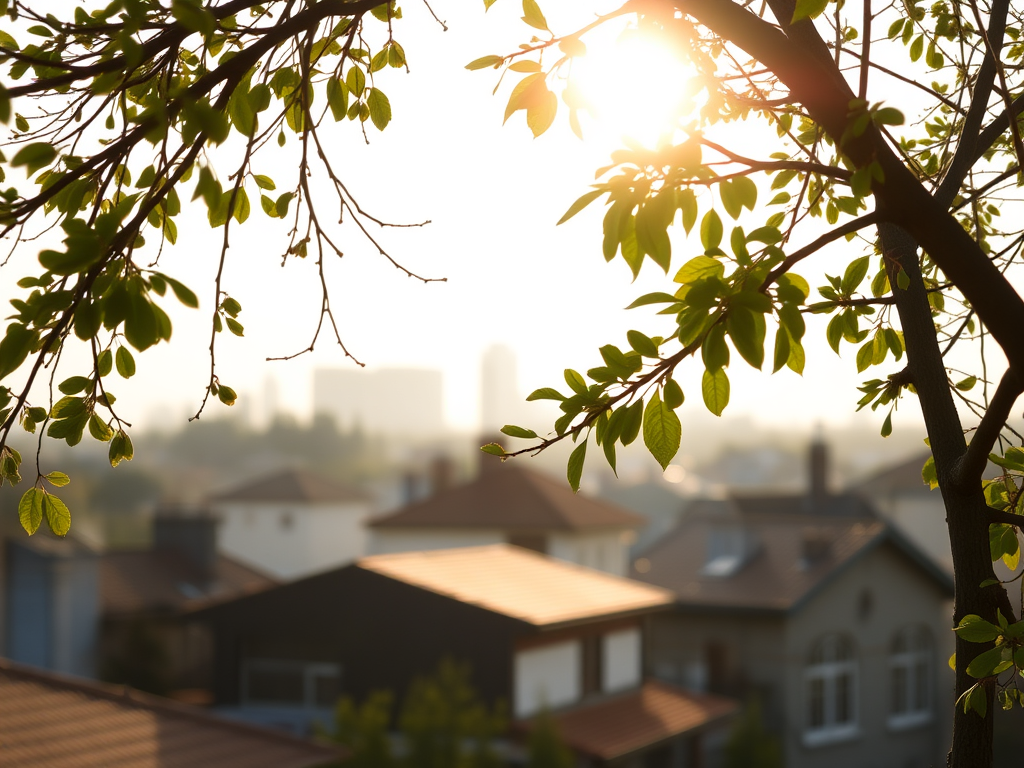
Soft morning light over rooftops; first new leaves on an urban tree
The first three months of the year carry a quiet, hopeful energy. They feel like a slow opening after the heaviness of the previous year.
Ecological changes
- Early shoots appear on trees.
- Birds begin returning from short-distance migrations.
- Light becomes softer and more golden.
These changes influence how people behave.
Human rhythms
- Many return to work or school after long travels.
- Migrant workers resettle in cities for new opportunities.
- People make new-year resolutions about food, health, and habits.
Culture and food
This is a good season for slow, warming foods:
- Stews
- Fermented porridge
- Sourdough bread
- Pickled vegetables
Fermentation teaches patience and attention two qualities useful at the start of a year.
Architecture and art
Artists often explore themes of renewal, climate stress, and future hopes. Urban designers pay attention to light and create:
- Open public spaces
- Sunlit walkways
- Glass structures that soften winter shadows
This season invites quiet reflection and gentle beginnings.
3. April–June: Season of Rain, Growth, and Creativity

Rainwater running down a mural wall, young vines climbing up beside it
Rain transforms cities. Streets become glossy. Plants grow quickly. People’s routines change.
Ecology and climate
- Rain feeds trees and gardens.
- Birds become more active.
- Insects multiply.
- Wetlands, often ignored, become busy ecosystems.
Climate scientists use this period to observe early signs of climate change especially flooding and unpredictable rainfall.
Urban design responses
Designers think about water more seriously:
- Green roofs that absorb rain
- Drainage paths lined with plants
- Permeable pavements that let water sink in
- Rain gardens in public spaces
These ideas help cities handle climate change more safely.
Food culture
People cook more at home because outdoor movement becomes harder during rain:
- Soups and warm vegetables
- Fermented teas
- Seasonal greens
Markets offer fresh produce because rain boosts plant life.
Spiritual and artistic moods
Rain has spiritual meanings in many cultures:
- cleansing
- blessing
- fertility
- renewal
Artists use this season to explore water as both life-giving and destructive.
4. July–September: Season of Heat, Movement, and Collective Energy

Busy street market glowing under harsh sun, colorful umbrellas creating patterns of shade
Heat shapes how urban life feels. Days are long and bright. Nights become social hours.
Ecological activity
- Birds change feeding patterns.
- Insects thrive.
- Plants become stressed or bloom dramatically depending on species.
- Heatwaves test city infrastructure.
Human behaviour
Psychologists observe that heat:
- Slows people down
- Increases emotional sensitivity
- Encourages evening gatherings
- Changes what people eat
This is also the season of movement:
- Students return home
- Tourists travel
- Workers shift jobs or towns
- Festivals and cultural events flourish
Cities feel alive with energy.
Architecture and design
Traditionally, communities built for heat using:
- Thick walls
- Courtyards
- Shade structures
- Natural airflow
Modern design is beginning to return to these older, more sustainable techniques.
Food and fermentation
Hot weather encourages




 Sure Media Magazine
Leave a comment