

Hard work is a cornerstone of both personal fulfillment and professional achievement, embodying the values of perseverance, discipline, and determination. While talent and opportunity play roles, it is often the consistent effort and dedication that transform aspirations into reality. This article delves into the multifaceted importance of hard work, exploring key aspects such as goal setting, skill development, resilience, work-life balance, and cultural perspectives. Through detailed discussions, real-world examples, historical anecdotes, and motivational insights, we aim to illustrate how hard work not only drives success but also fosters growth and resilience in the face of challenges.
1. Goal Setting: How Establishing Clear, Achievable Goals Can Motivate Hard Work
Setting clear, achievable goals serves as a powerful motivator for hard work by providing direction, focus, and a sense of purpose. Goals act as roadmaps, breaking down overwhelming ambitions into manageable steps, which encourages sustained effort and tracks progress. Effective goal-setting techniques, such as the SMART framework (Specific, Measurable, Achievable, Relevant, Time-bound), help individuals align their daily actions with long-term objectives, fostering discipline and perseverance.
For instance, in the workplace, goals like improving customer satisfaction by 15% over six months through implementing feedback systems and staff training exemplify how specific targets drive hard work and results. On a personal level, athletes often use goal setting to fuel their dedication. Michael Phelps, the most decorated Olympian, meticulously set goals for his swimming career, including specific time targets and medal counts, which motivated him to train rigorously despite setbacks. His early goal sheets, outlining ambitions like breaking world records, highlight how visualizing success inspires relentless effort.officernd.comimd.org

Michael Phelps shares goal sheet from young age on ‘Undeniable …
Another example is entrepreneurs who set milestones for business growth. By focusing on systems rather than just outcomes—such as daily habits that build toward a million-dollar company—individuals maintain motivation even when immediate results are not visible. This approach underscores that hard work thrives when goals are not only ambitious but also grounded in actionable plans, ultimately leading to personal satisfaction and professional advancement.jamesclear.com
2. Skill Development: The Role of Continuous Learning and Skill Improvement in Career Advancement
Continuous learning and skill development are essential for career advancement, as they equip individuals with the tools to adapt to evolving industries and seize new opportunities. In a rapidly changing job market, hard work invested in acquiring new competencies—through formal education, workshops, or self-study—enhances employability and opens doors to promotions and leadership roles. This ongoing process not only builds technical expertise but also cultivates soft skills like adaptability and problem-solving, which are crucial for long-term success.
A prime example is in the culinary field, where chefs don’t stop at basic training but continuously explore new ingredients, techniques, and cuisines to stay innovative and competitive. This commitment to lifelong learning mirrors broader career strategies. Warren Buffett, the renowned investor, attributes much of his success to his habit of reading extensively—up to 500 pages a day—to deepen his knowledge in finance and business. His dedication to continuous learning has allowed him to make informed decisions that propelled Berkshire Hathaway to immense heights, demonstrating how hard work in skill-building compounds over time.cornerstoneondemand.comcareers.intuitive.com
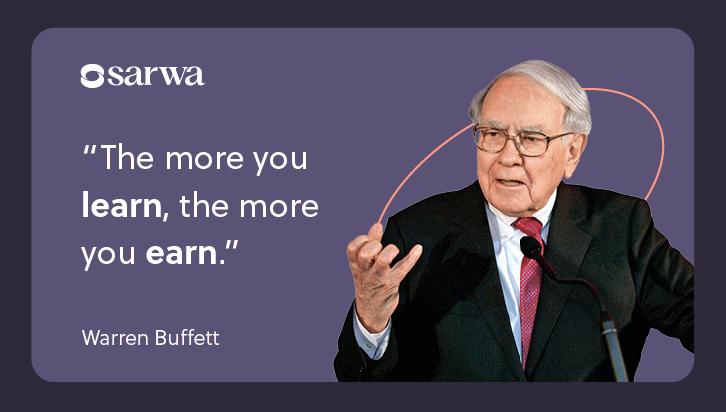
90 Warren Buffett Quotes on Investing, Business, and Life
In professional settings, skills like data analysis, coding, and digital literacy are increasingly vital. Employees who pursue certifications or participate in company training programs often see faster career progression, as these efforts signal initiative and readiness for greater responsibilities. Ultimately, hard work in skill development transforms potential into expertise, ensuring sustained relevance and achievement in one’s career.indeed.com
3. Resilience: Stories of Individuals Who Overcame Challenges Through Hard Work
Resilience, fueled by hard work, is the ability to bounce back from setbacks and persist through adversity, often turning obstacles into stepping stones for success. It involves maintaining determination amid failures, learning from mistakes, and adapting strategies, which are key to achieving long-term goals. Stories of resilient individuals illustrate how unwavering effort can overcome even the most daunting challenges, inspiring others to embrace perseverance.
One compelling example is Oprah Winfrey, who rose from a childhood marked by poverty and abuse to become a media empire builder. Through tireless work in broadcasting and entrepreneurship, she transformed personal hardships into a platform for empowerment, amassing billions while philanthropically impacting millions.drewrhoden.com
:max_bytes(150000):strip_icc()/ADD-how-did-oprah-winfrey-get-rich-updated-093ec4cb90ac4d6faf7d7cfbc66e87ca.png)
Oprah Winfrey’s Journey: From Humble Beginnings to Billionaire …
Similarly, Jim Carrey faced homelessness and family financial struggles in his youth, dropping out of school to support his family. His relentless pursuit of comedy—performing stand-up routines and auditioning persistently—led to breakthrough roles in films like “Ace Ventura,” showcasing how hard work and resilience can lead to Hollywood stardom despite early rejections.drewrhoden.com

Jim Carrey Overcame Years Of Adversity To Become A Successful Actor
These narratives, among many others, highlight that resilience isn’t innate but cultivated through consistent hard work. Whether surviving abuse or economic hardship, individuals who commit to growth often achieve extraordinary success, proving that challenges can forge stronger paths forward.linkedin.com
4. Work-Life Balance: The Importance of Managing Time Effectively to Ensure Persistence Without Burnout
Maintaining work-life balance is crucial for sustaining hard work over the long term, as it prevents burnout and preserves mental and physical health. Effective time management—such as prioritizing tasks, setting boundaries, and incorporating rest—allows individuals to perform at their best without sacrificing personal well-being. This balance ensures that hard work remains productive and enjoyable, leading to greater overall success.
A notable example is Arianna Huffington, co-founder of The Huffington Post, who experienced a wake-up call after collapsing from exhaustion due to overwork. This incident prompted her to advocate for better balance, founding Thrive Global to promote wellness practices like adequate sleep and disconnection from work emails after hours. Her story illustrates how integrating rest enhances sustained productivity.mentalhealth.org.uk

Why Arianna Huffington Wants Us To Stop Saying ‘Work-Life Balance …
Practical strategies include not answering work communications outside hours and prioritizing high-impact tasks to avoid overload. Taking regular breaks, such as short walks or socializing, also combats burnout by recharging energy levels. By managing time wisely, individuals can persist in their efforts without diminishing returns, fostering a harmonious blend of professional ambition and personal fulfillment.reddit.comvantagecircle.com
5. Cultural Perspectives: How Different Cultures View Hard Work and Success
Hard work and success are universal concepts, but their meanings and implications can vary significantly across cultures. Understanding these perspectives not only enriches our appreciation of different societies but also influences how we approach work and measure success in our own lives. This article explores various cultural views on hard work and success, illustrating how traditions, values, and beliefs shape these concepts.
- Western Perspectives: The American Dream In many Western countries, particularly in the United States, the idea of hard work is closely tied to the notion of the “American Dream.” This ideal suggests that anyone, regardless of background, can achieve success through hard work and determination. The narrative is often supported by stories of individuals who have risen from humble beginnings to achieve great wealth and fame. Example: Oprah Winfrey is a quintessential example of this ideal. Born into poverty, she worked tirelessly to become a media mogul and philanthropist, embodying the belief that hard work can lead to significant achievements. American culture often celebrates entrepreneurial spirit, encouraging individuals to pursue their passions and innovate.
- East Asian Perspectives: Confucian Values In East Asian cultures, such as in China, Japan, and South Korea, hard work is often viewed through the lens of Confucian values, which emphasize discipline, respect for authority, and education. The pursuit of success is seen as a collective effort, with a strong emphasis on family and community. Example: In South Korea, the education system is extremely competitive, and students often engage in long hours of study, reflecting the cultural belief that diligence and perseverance lead to future success. The societal pressure to excel academically and professionally can be intense, as success is often regarded as a reflection of the family’s honor.
- Scandinavian Perspectives: Balance and Equality Contrasting with the Western emphasis on individual achievement, Scandinavian countries prioritize work-life balance and equality. The notion of “Jante Law” in Denmark and Norway highlights the idea that one should not think of oneself as better than others. Hard work is valued, but so is the well-being of the community and the individual. Example: In Sweden, the concept of “lagom,” meaning “just the right amount,” suggests that people should work enough to contribute but not so much that it harms their personal lives. This cultural perspective leads to high levels of employee satisfaction and productivity, as success is often defined by well-being rather than solely financial gains.
- Indian Perspectives: Duty and Dharma In India, the concept of hard work is often intertwined with the philosophical principles of duty (dharma) and karma. Various religious and cultural traditions stress the importance of fulfilling one’s responsibilities, whether in personal or professional life. Example: Many successful Indian entrepreneurs, like Ratan Tata of Tata Group, attribute their achievements to a strong sense of duty towards their employees and society. The focus is not just on personal success but also on how that success can uplift others, reflecting a more communal view of achievement.

Entrepreneurs Should Do What They Believe is Right for Them …
- African Perspectives: Ubuntu Philosophy In many African cultures, the concept of success is often linked to community and relational values. This is encapsulated in the philosophy of “Ubuntu,” which emphasizes the interconnectedness of humanity and the idea that one’s success is tied to the well-being of others. Example: In South Africa, the phrase “I am because we are” signifies that personal achievement cannot be separated from communal support. Initiatives that promote collective entrepreneurship and skills development are widespread, reflecting the belief that hard work should benefit the entire community.
Conclusion
The importance of hard work in achieving personal and professional success cannot be overstated, as it intertwines with goal setting, skill development, resilience, work-life balance, and diverse cultural perspectives to create a holistic path to fulfillment. From Michael Phelps’ meticulous planning to Oprah Winfrey’s triumphant rise, these elements show that success is not merely about effort but about strategic, resilient, and balanced application of it. By embracing these principles, individuals can navigate challenges, continuously grow, and redefine success in ways that resonate personally and culturally. Ultimately, hard work, when channeled wisely, not only yields achievements but also builds character, inspires others, and contributes to a more meaningful life.





 Sure Media Magazine
Leave a comment