
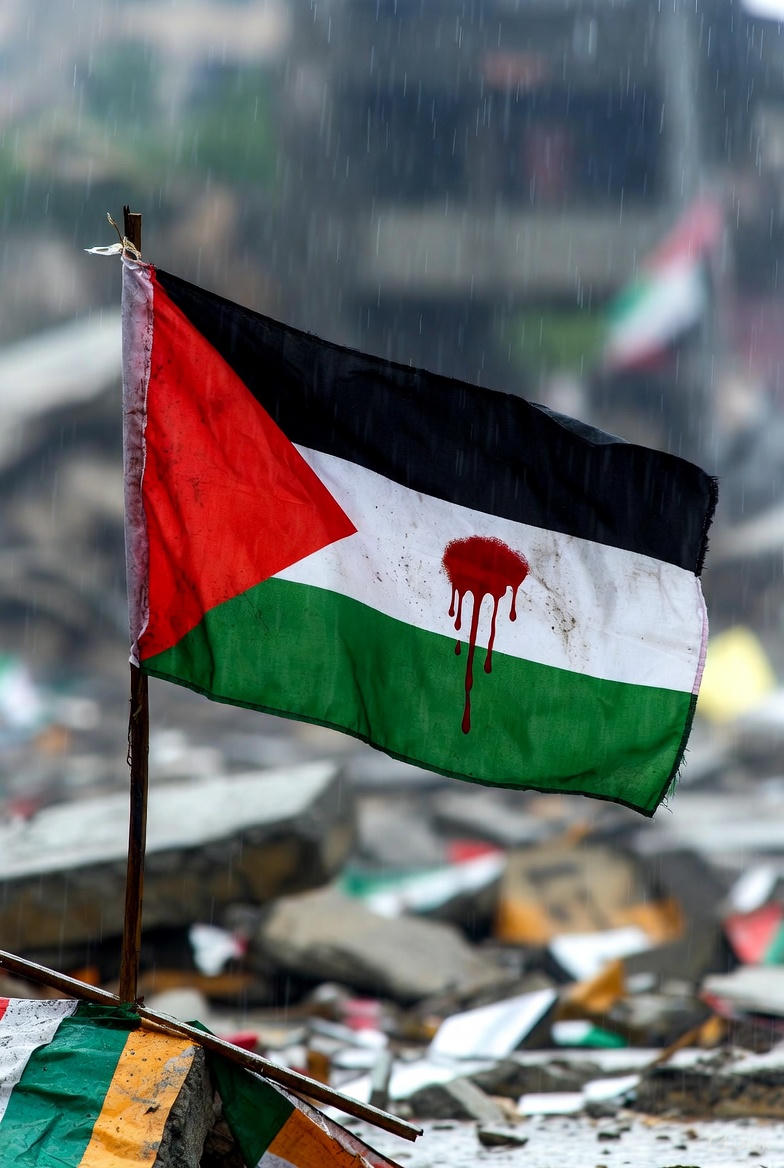
As winter descends on the Gaza Strip in December 2025, the region remains ensnared in a cycle of devastation that has persisted for over two years. What began as a brutal escalation in October 2023 has evolved into a protracted humanitarian catastrophe, marked by intermittent ceasefires that offer little respite. Despite international efforts to broker peace, reports from the ground paint a picture of ongoing destruction, acute suffering, and stalled negotiations. Gaza’s 2 million residents, many displaced multiple times, face not only the remnants of war but also the unforgiving elements, with rain and cold exacerbating an already dire situation.
The Military Stalemate: Ceasefire in Name Only?
The ceasefire agreement, reached in late 2024 after intense U.S.-mediated talks, was intended to halt the violence and pave the way for reconstruction. However, violations continue unabated. Israeli forces have carried out demolitions and strikes in eastern Gaza City, behind the so-called “yellow line” – an invisible boundary demarcating areas under Israeli control. On December 2, 2025, reports emerged of Israeli fire killing four Palestinians in Gaza and the West Bank, including a journalist near a refugee camp. The Gaza Health Ministry has documented over 591 ceasefire breaches by Israel, resulting in 357 deaths and 903 injuries since the truce began.
From an Israeli perspective, these operations are necessary to neutralize remaining Hamas threats. The IDF has emphasized actions against militants emerging from tunnels in Rafah and insists on a temporary presence in Gaza as part of any deal. Hamas, meanwhile, has reportedly conceded to this condition in negotiations, but progress remains slow. Qatar, a key mediator, expressed hope on December 2 for advancing to the next phase, but violence persists, with artillery and drone strikes reported in areas like Al-Tuffah and Khan Younis. One Palestinian journalist described the scene in Jabalia refugee camp: entire districts reduced to rubble, with families still trapped under debris.
Personal accounts from residents highlight the terror of these ongoing breaches. Tamer Nahed, a web developer from Gaza, recounted waking to find his neighborhood under fire despite the truce: “Suddenly, without any warning, the army expanded its control in eastern Gaza, placing our neighborhood and our home under fire. I’ve been working on rebuilding for over two weeks… and now, I can’t even reach it.” Similarly, lawyer Ahmed Ashour described random shootings at tents in central Gaza City: “Each time they open fire, we find ourselves running in every direction, holding our children close… bullets whistle above our heads as if searching for their next victim.” These stories underscore how the ceasefire feels like a hollow promise, with daily life punctuated by fear and loss.
The death toll underscores the conflict’s toll. Gaza’s health ministry reported over 70,000 fatalities by late November 2025, with thousands more missing under rubble. Critics, including UN experts, have labeled Israel’s actions as systematic, pointing to settler violence and administrative detentions as part of a broader pattern. Yet, Israeli officials argue that Hamas’s refusal to fully disarm perpetuates the instability, echoing sentiments from sources like The Jerusalem Post, which questions whether Gaza’s destruction was necessary to dismantle Hamas strongholds.
A Humanitarian Abyss: Winter’s Cruel Amplification
Gaza’s residents are battling more than bullets; winter storms have turned makeshift camps into flood zones. Heavy rains in late November submerged tents in Khan Younis and Deir al-Balah, leaving children shivering in drenched clothes and elderly people exposed to the elements. One displaced family in Mawasi described screaming for help as their shelter collapsed, a scene repeated across the Strip. The UN has warned of an “extremely dire” situation, with 1.5 million people needing urgent shelter support. Flooding has even inundated hospitals like Nasser Medical Complex, halting surgeries and worsening a health system already on the brink.
Individual voices bring this crisis into sharp relief. Nizar Almasre, a social researcher from northern Gaza, shared his solitude in a leaking tent: “This is the third winter we are living through as displaced people… Now I live alone in a torn tent, with rain pouring in from every side. Nothing protects me but prayer.” Maha Hussaini, a journalist and human rights advocate, reflected on how December, once her favorite month filled with seaside cafes and shopping, now means celebrating mere survival: “This December, I do not celebrate myself. I celebrate survival, the quiet miracle of being here at all.” In an Al Jazeera feature, Samar and Abdulrahman, a young couple awaiting their baby, described their flooded tent ruining baby supplies they had painstakingly gathered: “The rain has ruined our plans as we try to survive.” Another resident, Fatema from Gaza, wrote of trembling hands in a collapsing tent: “We wake to a cold that feels like the edge of knives… We ask only for survival, just one more day without fear.” Poet Mosab Abu Toha highlighted the plight of his relatives: “Most of them told us they’ll be sleeping tonight on mattresses and blankets completely soaked with rainwater… More than half are children, some under five.”
Aid remains woefully inadequate. Only 220 trucks enter daily, far below the required 600, with Israel blocking essentials like tents, fuel, and medical supplies. The UN’s Food and Agriculture Organization notes that Gazans receive about 1,350 calories per day – half the minimum needed – fueling rising malnutrition and famine risks. Civil defense teams, operating with just one excavator in central Gaza, struggle to recover bodies from over 4 million tons of rubble. “We urgently need clothing and blankets,” pleaded the director of Gaza’s NGO network, highlighting a 71% deficit in medical supplies.
Palestinian voices on the ground emphasize the human cost. “The war has slowed, but it hasn’t stopped,” wrote one Gaza correspondent. “Winter is coming… Gazans are facing real monsters.” International observers, including the UN Committee Against Torture, have decried systematic abuses, while Reuters reports on plans for an international force – though few nations are willing to commit troops. Accountant Ahmed Nashwan shared a haunting encounter on a cart ride: “Three passing riders, each carrying a graveyard in his chest… Here in Gaza, there is no home that grief has not visited.”
Political Crossroads: Stalled Talks and Diverging Views
Negotiations for a lasting peace are mired in distrust. The U.S. blueprint envisions a post-war Gaza without a major Palestinian Authority role, but the PA insists on involvement. Hamas leaders met with Egyptian officials amid calls for accountability over aid mishandling, while Israel pushes back against international pressure. Saudi Arabia’s reluctance to normalize ties with Israel, citing the “fires of Gaza,” reflects broader regional sentiment.
From a Palestinian lens, the conflict is seen as the “last phase of Zionism,” with calls for decolonization rather than mere ceasefires. Al Jazeera op-eds criticize Western peacemaking for ignoring truths like war crimes. Israeli sources, conversely, frame the war as self-defense, noting Hamas’s rejection of past peace offers and the need to prevent Houthi entrenchment in Syria. The BBC and New York Times highlight global views: Israel’s support has eroded at the UN, with votes demanding ceasefires growing stronger.
Social media echoes this divide. X posts from Gaza residents plead for aid and justice, while others debate the roots of the conflict, from October 7, 2023, to decades of occupation. One user lamented, “The natural world is falling apart… This is blind hatred.”
Toward an Uncertain Future
Gaza’s plight in December 2025 is a stark reminder of unresolved grievances. The economy has collapsed by 30% since 2022, with floods swamping homeless tents as winter looms. Celebrations erupted briefly in October over a deal to end the war, but joy has faded into despair. For true peace, all sides must address core issues: security for Israel, sovereignty for Palestinians, and unhindered aid for civilians. Until then, Gaza endures – a testament to resilience amid unrelenting hardship. As one UN report starkly put it, millions struggle under occupation and division, with dignity hanging by a thread.





 Sure Media Magazine
Leave a comment