
Introduction
Citizenship is often treated as a legal or political concept, but in practice, it is lived in physical spaces hospitals, border checkpoints, government offices, and the public buildings where people encounter the state. Architecture is more than aesthetics; it becomes an instrument of access, power, and identity.
As debates around citizenship intensify, designers, urban planners, and architects face a new question: How do spaces reflect or undermine people’s sense of belonging?
The Built Environment as a First Gatekeeper
When Ana López arrived at a Texas hospital to give birth, she encountered a maze of documents and waiting rooms that made her feel scrutinized before she was even heard.
This situation, while policy-driven, is amplified by space design:
- Opaque layouts that make navigation confusing
- Barriers and controlled access zones that heighten intimidation
- Observation windows that create a feeling of policing rather than care
In sensitive environments like hospitals or immigration offices, physical structure becomes a quiet but powerful determinant of dignity.
How Architecture Can Amplify or Undermine Rights
Modern public buildings are often designed to optimize workflow, not public experience. But in contexts involving vulnerable populations, this oversight becomes a form of harm.
1. Spatial Friction
Long queues, bottlenecks, and window-to-window shuffling create emotional exhaustion.
In citizenship-related services, friction can mirror exclusion.
2. Surveillance as a Design Language
Metal detectors, elevated desks, mirrored glass, and cameras create a psychological hierarchy state above citizen.
3. Lack of Privacy
In open-plan waiting rooms, personal matters are discussed within earshot of strangers.
The design inadvertently discourages people from seeking help or asserting their rights.
4. Bureaucracy Embodied in Space
Buildings with dozens of doors, narrow corridors, and uninformed signage become metaphors for complex systems that feel impossible to navigate.
When Design is Used to Include
There is another side to this story spaces that restore dignity and anchor belonging. Good architectural design in public buildings can:
- Reduce anxiety through natural light and open layouts
- Offer clear signage that empowers rather than confuses
- Place staff at eye level rather than on raised platforms
- Provide private rooms for vulnerable interactions
- Use culturally sensitive design elements that reflect the communities they serve
These choices signal: You belong here. You are recognized.
The Rise of Civic Architecture
Globally, a movement in design and civic architecture advocates for buildings that promote justice, access, and community identity.
Examples include:
- Courthouses redesigned with comforting public atriums
- Border facilities that prioritize family privacy
- Hospitals that use color-coded navigation to reduce stress
- Community centers that merge public services with warm, inclusive design
The lesson is clear: architecture can either humanize or dehumanize state processes.
Why This Matters Now
As birthright citizenship and immigration policies face new pressures, architectural decisions become political tools subtly shaping who feels accepted.
- Administrative friction becomes amplified by spatial friction.
- A family’s legal rights are influenced by the emotional experience of the buildings meant to protect them.
- Design becomes part of the access-denial ecosystem, even unintentionally.
If rights are eroded quietly, the built environment often becomes the first place the erosion is felt.
Conclusion
Citizenship is lived through encounters and encounters happen in spaces.
Architects, urban planners, and policymakers must recognize that buildings are not neutral. They carry power.
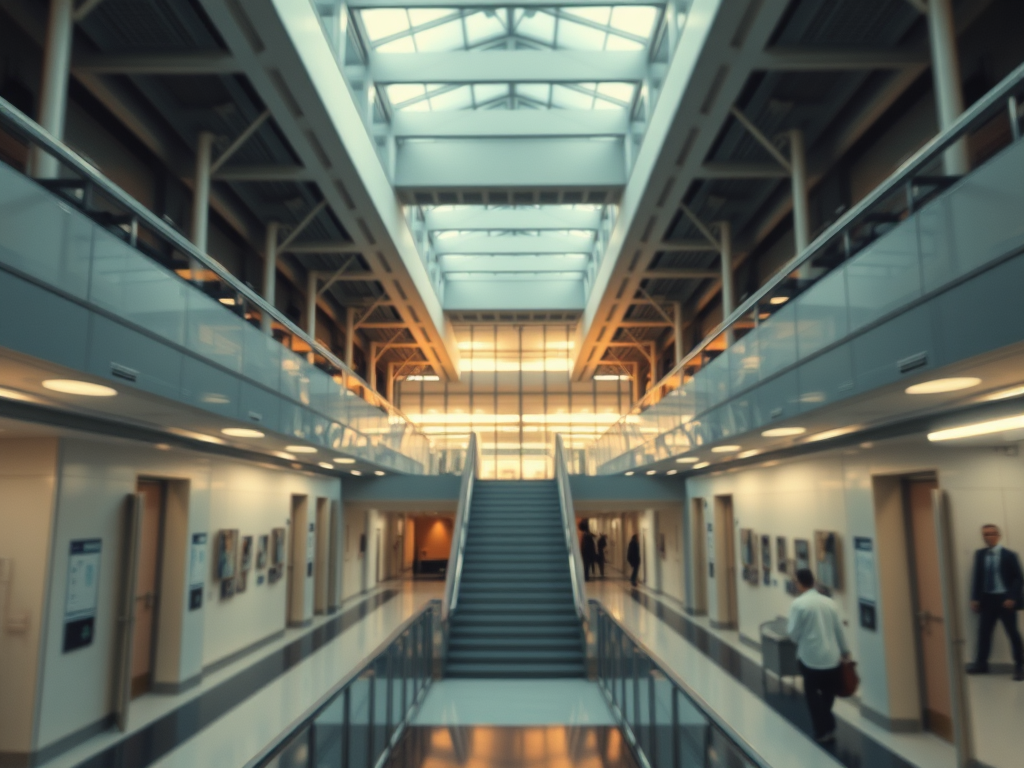
Design cannot change the law, but it can change how people experience the law.
Spaces can intimidate, or they can invite.
They can silence, or they can affirm belonging.
In moments where citizenship feels fragile, architecture becomes a frontline defender of dignity.




 Sure Media Magazine
Leave a comment