
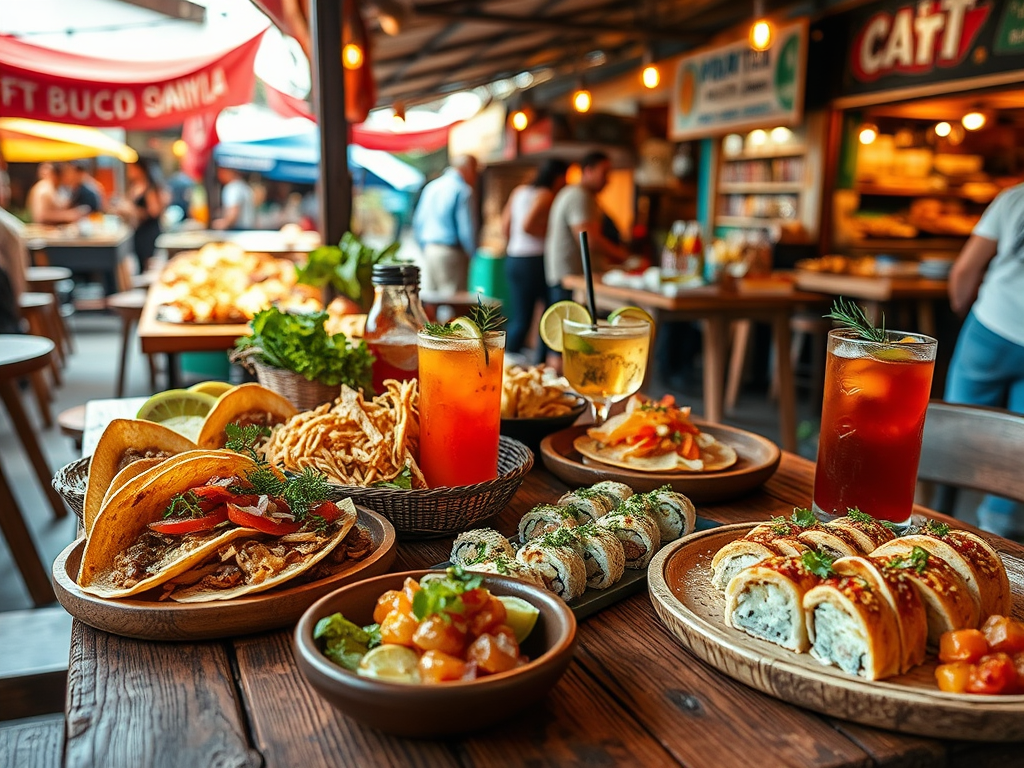
Exploring the world through its cuisines offers a sensory gateway to cultures, histories, and people. From street tacos in Mexico to craft cocktails in Miami, these experiences create lasting memories beyond typical sightseeing. They foster connections, as sharing a meal often breaks down barriers, and can be approachable for all budgets—whether indulging in Michelin-starred dining or casual markets.
Top Foodie Destinations for 2025
Based on recent awards and trends, places like Osaka, Japan, and Vienna, Austria, stand out for their bold flavors and innovative scenes. These spots blend tradition with creativity, making them ideal for travelers seeking diverse eats and sips.
Essential Tips for Culinary Adventures
Start with research on local etiquette, like slurping noodles in Japan as a compliment, and prioritize authentic tours for deeper insights. Accommodate dietary needs, embrace sustainability, and use apps for hidden gems to ensure a balanced, enjoyable trip.
Savoring the Globe: A Journey Through Food, Drinks, and Travel
In an era where travel is as much about the palate as the passport, food and drinks have become the ultimate companions for wanderlust. This blog dives deep into the intersection of gastronomy and exploration, drawing from global trends, expert insights, and timeless traditions. Whether you’re a deliberate food tourist chasing Michelin stars or an opportunistic traveler stumbling upon street stalls, the world offers endless flavors to discover. We’ll explore top destinations for 2025, iconic dishes and beverages from various cultures, practical tips for planning your culinary escapades, and the evolving role of sustainability in food tourism. Backed by sources like Michelin Guide recommendations and cultural deep-dives, this guide aims to inspire your next adventure while emphasizing respectful, immersive experiences.
The Allure of Culinary Travel: More Than Just a Meal
Food tourism, defined as the pursuit of unique eating and drinking experiences, has exploded in popularity. It’s not merely about sustenance; it’s a cultural bridge. Imagine sipping a caipirinha on a Brazilian beach or learning to roll sushi in Tokyo—these moments reveal stories of migration, agriculture, and innovation. According to estimates, food and beverage expenses make up 15% to 35% of tourism spending, highlighting its economic impact. Beverages play an equal role, from craft beers in Austin to ancient teas in Morocco, often tying into local rituals like Morocco’s ceremonial mint tea, symbolizing hospitality.
The rise of social media and TV shows has amplified this trend, turning everyday eats into must-try phenomena. Yet, it’s the personal connections—chatting with a street vendor in Bangkok or joining a family meal in Italy—that make it memorable. As travel rebounds post-pandemic, 2025 emphasizes hybrid experiences: blending high-end dining with authentic, off-the-beaten-path discoveries.
Top Foodie Destinations for 2025: Where to Indulge
Drawing from the Michelin Guide’s 2025 highlights and other awards, here are standout spots blending food, drinks, and travel. These destinations offer a mix of street food vibrancy, fine dining innovation, and cultural depth, making them perfect for food-focused itineraries.
| Destination | Key Culinary Highlights | Iconic Dishes/Drinks | Why Visit in 2025 | Travel Tip |
|---|---|---|---|---|
| Austin, Texas, USA | Innovative barbecue, craft breweries, food trucks with fusion flavors | World-class brisket, Tex-Mex tacos, creative cocktails | New Michelin additions showcase local ingredients and live music integration | Explore food trucks for vegan options and pair with brewery tours for a casual vibe. |
| Mexico City, Mexico | Street tacos to Two-Star fine dining, blending ancient and modern | Tacos al pastor, mole sauces, mezcal tastings | Michelin debut highlights heirloom ingredients and markets like Mercado de San Juan | Join a street food tour to sample safely and learn about indigenous techniques. |
| Bangkok, Thailand | Street markets, aromatic curries, and the first Three-Star restaurant | Pad Thai, satay skewers, Thai iced tea | Buzz from media like The White Lotus, plus farm-to-table spots | Visit night markets for affordable eats, but avoid peak hours to dodge crowds. |
| Osaka, Japan | “Kitchen of Japan” with bold flavors and upcoming World Expo | Takoyaki, okonomiyaki, sake pairings | High concentration of Michelin stars and street food in Dotonbori | Cycle through neighborhoods for easy access to soba noodle shops and seasonal kaiseki. |
| Vienna, Austria | Modern twists on Austro-Hungarian classics, wine taverns | Wiener Schnitzel, goulash, Grüner Veltliner wine | Ambitious chefs using home-grown ingredients in heurigen | Stroll Naschmarkt for cheeses and pair with a bike tour of vineyards. |
| Miami, Florida, USA | Latin-Caribbean fusion, fresh seafood, vibrant cocktails | Ceviche, stone crab, mojitos | Multicultural neighborhoods like Little Havana for sustainable sourcing | Book reservations at spots like Elcielo for Colombian-infused fine dining. |
| Fujian, China | Coastal seafood, delicate broths in historic settings | Buddha Jumps Over the Wall soup, sour soups | Recent Michelin launch spotlights balanced flavors | Visit tea houses for oolong pairings and explore markets for fresh abalone. |
| Da Nang, Vietnam | Seafood-focused regional cuisine near beaches | Mi Quang noodles, pho variations, Vietnamese coffee | Michelin debut emphasizes coastal freshness | Combine with trips to Hoi An for lantern-lit courtyard dining. |
| Amsterdam, Netherlands | Multi-cultural staples with sustainable twists | Bitterballen, stroopwafels, Dutch beers | 750th anniversary events with food markets | Use bikes to hop between Albert Cuyp Market and plant-based eateries. |
| Bath, England | Somerset produce in plant-led dishes, spa town charm | Sticky toffee pudding, local ciders | Jane Austen anniversary balls with themed feasts | Focus on OAK restaurant for garden-fresh meals in a UNESCO site. |
These locations reflect a global shift toward experiential travel, where food tells a story—be it Austin’s barbecue evolution or Bangkok’s street food heritage. For drinks, think beyond meals: Austin’s breweries or Vienna’s wine taverns add layers to your itinerary.
Iconic Foods and Drinks: A Global Palate Tour
No food travel blog is complete without spotlighting signature bites and sips. These aren’t just meals; they’re cultural emblems passed down generations.
Start in the Americas: Argentina’s asado, a slow-grilled meat feast, embodies communal barbecues, best paired with Fernet con Coca. In Canada, poutine—fries with gravy and curds—offers comfort, while Mexico’s tacos al pastor, marinated pork with pineapple, shine in street stalls. Peru’s ceviche, fresh fish in lime, highlights Andean simplicity.
Europe boasts classics like France’s bouillabaisse, a saffron-infused fish stew from Marseilles, or Italy’s pizza Margherita, simple yet profound. Greece’s moussaka layers eggplant and meat under béchamel, while Spain’s paella mixes rice with seafood over open flames. For sweets, try Portugal’s pastel de nata custard tarts or Germany’s Black Forest cake with cherries and Kirsch. Drinks? England’s martini for sophistication or Italy’s Aperol Spritz for aperitivo vibes.
Asia dazzles with China’s Peking Duck, crisp and succulent, or Japan’s sushi, from casual rolls to omakase. Thailand’s pad Thai stir-fries noodles with tamarind and peanuts, while Vietnam’s pho simmers beef in fragrant broth. Korea’s kimchi ferments cabbage with spice, and India’s tandoori chicken roasts in clay ovens. Beverages include Japan’s sake for celebrations or India’s lassi yogurt drinks.
Africa and Oceania add diversity: Ethiopia’s doro wat spicy chicken stew on injera, South Africa’s bobotie minced meat casserole, or New Zealand’s hāngī earth-oven feast. Australia’s lamingtons coat cake in chocolate and coconut, paired with Vegemite spreads for savory twists.
These icons aren’t static; modern twists—like vegan poutine or fusion ceviche—keep them relevant, encouraging travelers to taste evolution.
Practical Tips for Food and Drink Tourism
Planning a culinary trip requires strategy to maximize enjoyment while respecting locales. First, research authenticity: Use apps like TripAdvisor for reviews, engage locals for hidden spots, and join cooking classes to learn traditions, like making khachapuri in Georgia.
Incorporate variety: Mix street food with fine dining, and include drink-focused activities like winery tours in Vienna or mezcal tastings in Mexico. Sustainability matters—opt for farm-to-table to support communities and reduce waste. Address dietary needs early: Confirm gluten-free or vegetarian options, and learn etiquette, such as no post-11 AM cappuccinos in Italy.
Budget wisely: Affordable hawker centers in Malaysia contrast high-end in Copenhagen. Book key reservations for popular spots like Pujol in Mexico City, but leave room for spontaneity. Finally, document responsibly—share on social media to promote, but avoid geotagging sensitive areas to prevent overtourism.
The Future of Food Travel: Sustainability and Inclusivity
As food tourism grows to a projected $4 trillion market by 2033, challenges like environmental impact arise. Embrace eco-friendly practices: Choose tours emphasizing local sourcing, like Miami’s sustainable seafood, or reduce plastic with reusable water bottles where safe. Inclusivity means accessible options for all, from wheelchair-friendly markets to diverse menus.
Inclusivity also involves cultural sensitivity—understand that food like Peru’s cuy (guinea pig) holds heritage value. By traveling mindfully, we preserve these treasures for future generations.
Wrapping Up: Your Next Bite Awaits
Food, drinks, and travel intertwine to create journeys that nourish body and soul. From Osaka’s takoyaki to Bath’s plant-led feasts, 2025 promises flavorful adventures. Pack your appetite, respect the cultures, and savor every moment—after all, the world is your oyster (or ceviche, or pho).




 Sure Media Magazine
Leave a comment