

Let’s take a cultural Tour in Africa
Food is one of the most powerful cultural languages in Africa. It speaks when words fall short. It captures history, celebrates community, and expresses identity in ways that transcend geography or tribe. Across 54 countries and more than 3,000 ethnic groups, African cuisine is a living archive of the continent’s traditions, migrations, innovations, and values.
To eat African food is to taste memory, belonging, and heritage. This article explores how Africa expresses its culture through food — an intimate journey through flavors, rituals, and the symbolism behind every dish.
A Continent Rich in Culinary Diversity
Africa’s culinary landscape is as diverse as its people. Climate, geography, trade routes, religious practices, and historical encounters have created a mosaic of flavors found nowhere else in the world.
North Africa: Spices, Aromas, and Ancient Influences

North African cuisine is shaped by Berber traditions infused with Arab, Ottoman, and Mediterranean influences. Dishes like tagine, cooked slowly with saffron, preserved lemons, olives, and ginger, reflect centuries of spice trade across the Sahara and the Mediterranean.
Couscous, recognized by UNESCO as intangible cultural heritage, is central to celebrations, symbolizing unity and abundance. Its preparation is traditionally communal, reinforcing intergenerational bonds.
West Africa: Home of Bold, Earthy, and Soulful Dishes
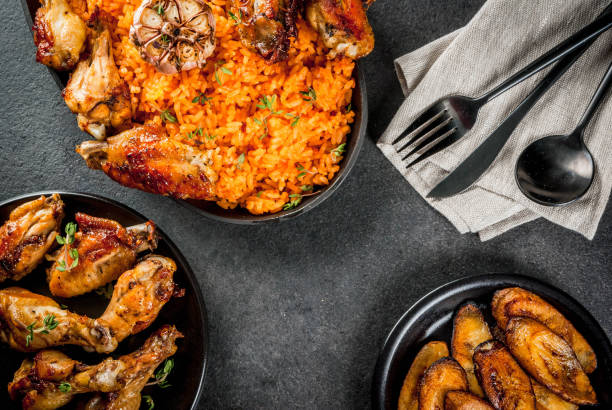
West African national cuisine. Jollof rice with grilled chicken wings and fried bananas plantains.On gray stone table. Copy space top view
West African cuisine is famous for its bold flavors built on tomatoes, chili peppers, peanuts, and palm oil.
Signature dishes include Jollof rice, a cultural icon and source of friendly rivalry between Senegal, Nigeria, and Ghana. Egusi soup, waakye, fufu, and suya carry spiritual and ceremonial importance, often served during weddings, funerals, harvests, and festivals.
East Africa: Swahili Aromatics & Highland Comforts
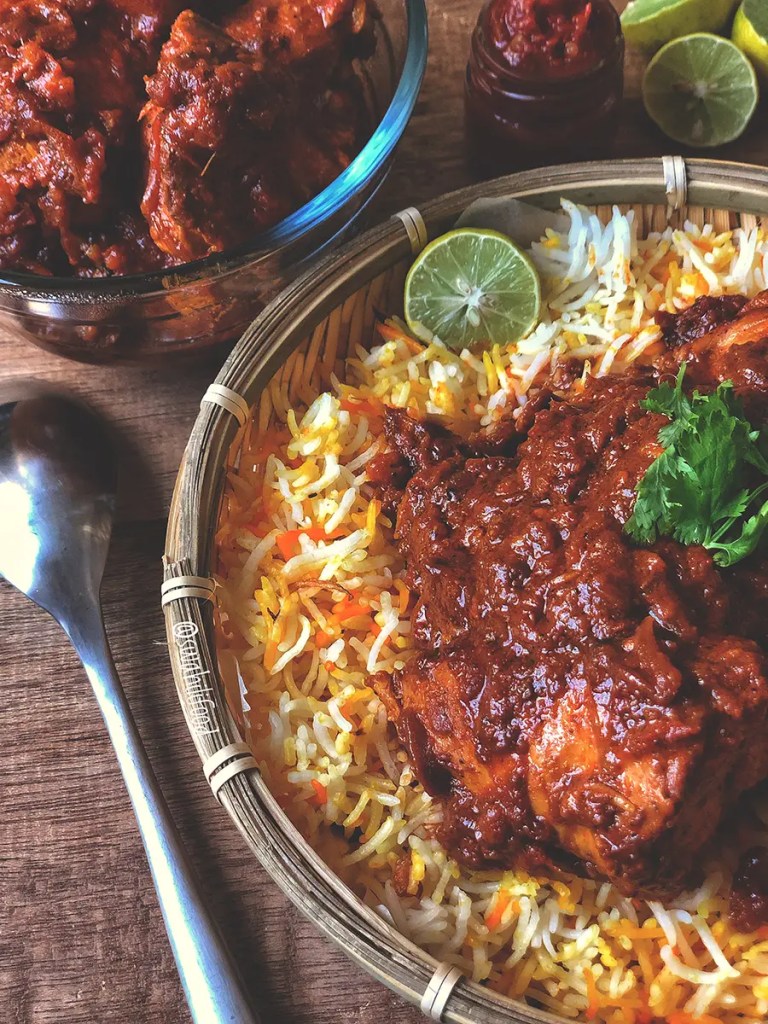
Common Swahili: chicken-biriyani
East Africa blends indigenous traditions with Indian, Persian, and Arab influences thanks to centuries of Indian Ocean trade.
On the coast, Swahili dishes like pilau, biryani, and mahamri carry scents of cardamom, cloves, cinnamon, and coconut milk.
In the highlands, staples like ugali, githeri, and injera reflect agricultural lifestyles and communal dining customs that have existed for generations.
Central & Southern Africa: Grounded in Land and Community
In Central and Southern Africa, food traditions reflect deep connections to farming cycles and ancestral customs.
Staples like nshima (Zambia), sadza (Zimbabwe), and pap (South Africa) are eaten from shared bowls, demonstrating equality and communal harmony.
South Africa’s braai culture unites diverse communities, serving as a national symbol of togetherness and celebration.
Food as Africa’s Cultural Archive
African food serves as a historical record — preserving encounters, migrations, and technological innovations.
- Cloves, cardamom, and cumin trace back to centuries-old Arab and Persian trade.
- Cassava and maize, introduced through colonial routes, were transformed into beloved staples.
- Baobab fruit, shea butter, and moringa reflect indigenous knowledge systems that sustained communities long before modern medicine.
- Palm oil and groundnuts illustrate the importance of agriculture to identity and spirituality.
African cuisine is a textbook written over thousands of years, each ingredient carrying meaning.
Communal Eating: The Heartbeat of African Hospitality
Across the continent, food is synonymous with community. In many African cultures, people eat together from a single platter, symbolizing unity, humility, and shared destiny.
This tradition is more than an eating style; it is a philosophy:
- Serving elders first reflects respect for age and wisdom.
- Eating with hands promotes mindfulness and connection to food.
- Meal preparations involve storytelling, singing, and bonding.
- Guests are welcomed with food as a sign of honor and warmth.
Food, therefore, becomes a form of communication—one that fosters harmony, gratitude, and continuity.
Festivals and Rituals: Food as a Cultural Performance
African festivals offer some of the most vivid expressions of culture through food.
- The New Yam Festival in Nigeria and Ghana celebrates harvest and honors ancestors.
- Lamu Maulid Festival in Kenya showcases Swahili cuisine, including biryani, coconut dishes, and street snacks.
- South Africa’s National Braai Day brings people together across ethnic lines through grilling traditions.
- Eid and Christmas feasts reflect religious diversity and culinary creativity.
At these events, food becomes a performance — a way to teach younger generations their roots, values, and identities.
African Cuisine Today: Innovation Meets Tradition
African gastronomy is experiencing a global renaissance. Chefs across the continent and diaspora are elevating traditional dishes with modern techniques:
- Chef Selassie Atadika’s New African Cuisine philosophy
- Chef Marcus Samuelsson’s Ethiopian-inspired global menus
- Nairobi’s rising dining scene with restaurants like Cultiva, Nyama Mama, and INTI
Through such innovation, African cuisine is gaining global recognition while honoring its origins.
Conclusion: A Story Told in Every Bite
From a steaming pot of jollof rice to the nostalgic taste of ugali shared in a family circle, African food expresses culture with unmatched richness. Every dish carries a story of survival, joy, land, heritage, and community.
Africa tells its story through food — boldly, beautifully, and authentically. To taste African cuisine is to taste the soul of the continent itself.




 Sure Media Magazine
Leave a comment