

Kenya reveals itself slowly to those who travel across it—not in its famous postcard moments, but in the gradual shift of land and the people who live in step with it. Crossing the country from the warm coastal waters of the Indian Ocean to the wildlife-rich plains of the Maasai Mara is not just a journey between destinations. It is a passage through cultures, traditions, and landscapes that define one of Africa’s most diverse nations. In 2025, with Kenya named the world’s friendliest country by Condé Nast Traveller Readers’ Choice Awards, travelers are drawn not only to its breathtaking vistas but to the warm hospitality that turns strangers into story-sharers.This overland adventure, best undertaken during the dry seasons of January-March or June-October for clear skies and optimal wildlife viewing, offers an intimate glimpse into a land where over 40 ethnic groups weave their lives into the terrain.
where the journey begins
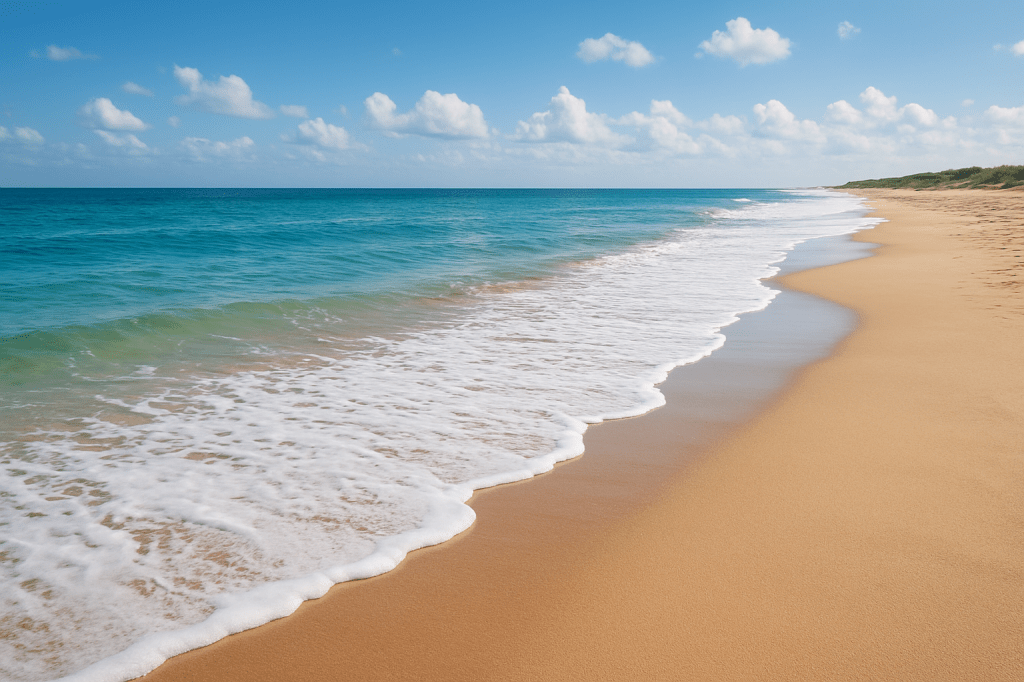
The Swahili CoastMombasa’s Old Town is a place where centuries of cultural exchange still echo in everyday life. The carved wooden doors—each etched with intricate patterns and heavy brass studs—whisper stories of Arab, African, and Persian traders who once sailed into the port with spices, fabrics, and new ideas. At dawn, the call to prayer blends with the scent of black pepper and ginger rising from spice markets. Fishermen push their dhows off English Point, slicing through waters that have sustained coastal families for generations. For travelers, a dhow sunset cruise here isn’t just scenic—it’s a cultural immersion, where captains share tales of ancient trade routes while serving fresh mishkaki skewers grilled over charcoal.As the journey stretches north toward Watamu and Lamu, the Swahili Coast reveals a quieter rhythm. In Lamu, a UNESCO World Heritage Site and Kenya’s oldest continuously inhabited town since the 1370s, donkeys rather than cars move through narrow coral-stone streets. Elderly men gather in evening barazas beneath massive baobab trees, discussing politics, fishing, and family. Taarab music spills from open courtyards as women prepare coconut-rich dishes—pilau, biryani, and octopus simmered in spices—recipes refined over centuries. The Swahili culture here, a blend of African, Arab, and Persian influences, shines in kanga textiles printed with proverbs and in the annual Lamu Cultural Festival in November, featuring dhow races, henna art, and poetry recitals.Tourist destinations like Lamu Fort, the Shela dunes, Watamu Marine National Park with its vibrant coral reefs for snorkeling, and the Gede Ruins—ancient Swahili settlements overgrown with baobab roots—speak to the layered identity of the region. Yet it is the culture—the poetry recited beside flickering lanterns, the dhow races during festivals, the unhurried hospitality—that reveals the Swahili Coast’s enduring soul. Travel pointer: Opt for eco-lodges in Watamu for dolphin safaris and marine conservation tours, and always ask permission before photographing locals to respect their privacy.
The Great Rift Valley
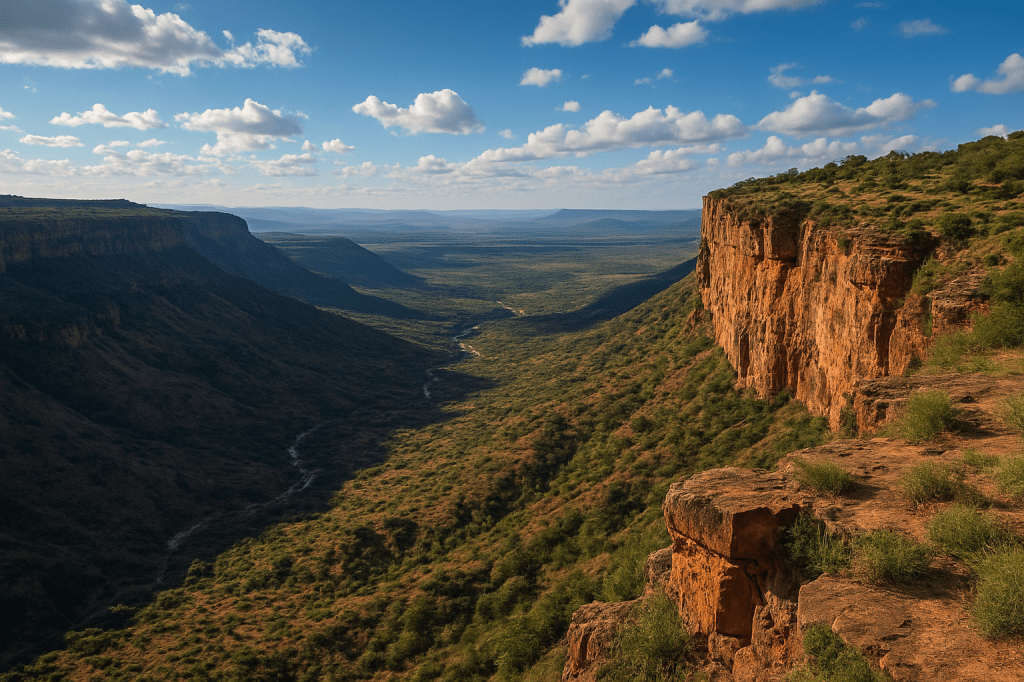
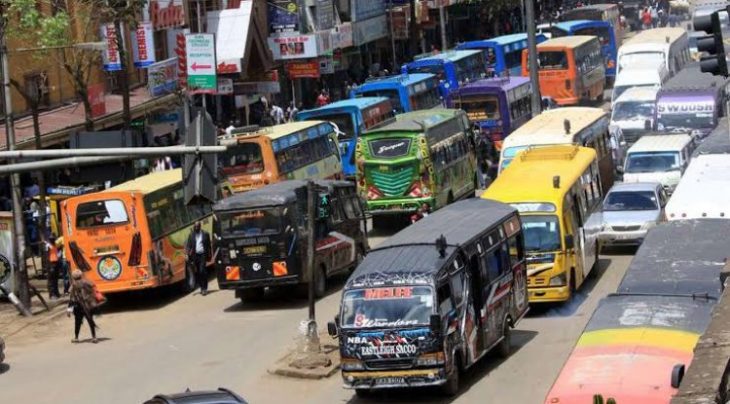
Leaving the coast, the land rises, folds, and stretches into the monumental geography of the Great Rift Valley—a massive natural trench that divides Kenya, part of the East African Rift System poised to form a new ocean basin in millions of years. The landscapes shift dramatically: rolling hills give way to expansive plateaus, volcanic craters, and freshwater lakes that shimmer with birdlife. From the roadside viewpoints along the escarpment, you see a world carved by time itself, with steam venting from geothermal fissures and pink flamingo flocks wheeling over soda lakes like Nakuru, colored like rosé wine.The Rift Valley is more than its scenery; it is a living corridor of stories. Farmers kneel in the rich volcanic soil near Naivasha, tending to vegetables and flowers destined for local markets—greenhouses glowing like emeralds against red-dirt escarpments. Long-haul drivers share cups of strong tea at truck stops perched on the escarpment, exchanging tales from the road. Families living near Lake Nakuru speak of wildlife coexistence—flamingos, rhinos, and baboons becoming part of their daily backdrop, while Kikuyu farmers laugh about rains that arrive late but always sustain their livelihoods.Tourist destinations like Hell’s Gate National Park—with its rugged gorges, towering cliffs, and natural hot springs for spa-like soaks—Lake Naivasha for boat rides amid hippos, Lake Nakuru National Park for birdwatching and rhino safaris, and Mount Longonot for volcanic crater hikes provide glimpses of Kenya’s ecological diversity.But the most striking moments often come unannounced: a Maasai herder leading cattle along the roadside, children waving at passing cars, or an old man explaining how the valley’s many lakes have shaped community life for generations. For adventure seekers, rent bikes in Hell’s Gate to pedal through canyons inspired by “The Lion King,” spotting rock hyraxes and vultures along the way.Travel pointer: Travel overland via matatu buses or private drivers for authentic interactions, but pack layers as highland evenings cool quickly, and use insect repellent for lake areas.Here, the land not only frames human existence—it directs it, from the fertile soils nurturing Kikuyu agriculture to the geothermal wonders powering local communities.
The Journey’s Crest: The Maasai Mara
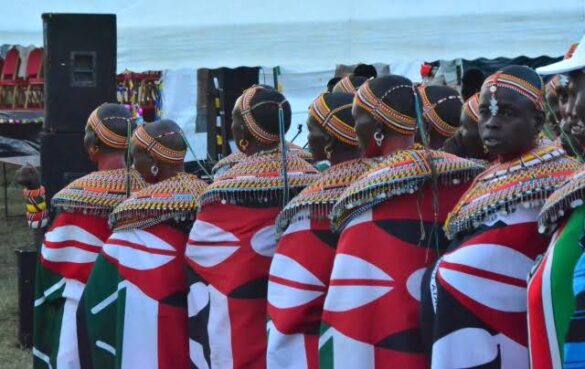
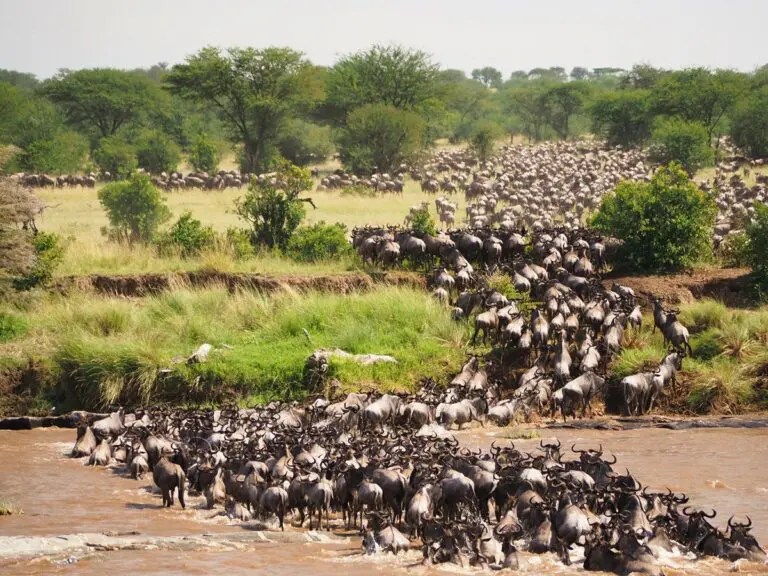
The road west bends toward the Maasai Mara, one of Africa’s most iconic landscapes. Wide grasslands stretch to the horizon, broken only by acacia trees and the distant silhouettes of cattle. This is the ancestral land of the Maasai people, whose culture remains deeply intertwined with the rhythms of nature—semi-nomadic pastoralists clad in red shukas, adorned with symbolic beadwork that tells stories of courage and community.During the Great Wildebeest Migration—peaking July-September—a black river of over two million animals surges across the plains, facing predators and swollen rivers in a spectacle of survival.Tourists gather to witness these dramatic crossings, cameras poised, breath held, often from hot air balloon rides at dawn for panoramic views of lions, cheetahs, and elephants below.But beyond the spectacle lies a quieter, more personal story. Spending time with Maasai beadmakers in traditional manyattas reveals a craft passed down through generations—each color, pattern, and design holding meaning, from red for bravery to blue for the sky. Community rangers speak of long nights protecting wildlife from poachers and working with local families to maintain harmony between humans and animals. Young morans share how they balance the expectations of modern life with the traditions that ground them, including the adumu jumping dance performed during ceremonies.Popular destinations such as the Maasai Mara National Reserve, private conservancies like Olare Motorogi and Naboisho for exclusive, less-crowded safaris, and nearby cultural villages offer visitors a deeper understanding of the Mara’s intertwined human and ecological worlds.Travel pointer: Book tented camps in advance for immersive stays where lion roars lull you to sleep, and join guided walks in conservancies to learn Maasai tracking skills—always follow wildlife guidelines for safety.Here, culture and landscape do not stand apart; they move together like the migration itself.
Where Culture Meets The Land
Traveling across Kenya reveals a nation where identity is inseparable from place. On the coast, the ocean shapes language, cuisine, and communal life through Swahili blends of music and markets. In the Rift Valley, volcanic soils sustain families and traditions tied to the earth, from farming rituals to geothermal storytelling. In the Mara, heritage and ecology are woven into daily rhythms of cattle, wildlife, and beadwork. Beyond these, glimpses of other landscapes—like the snow-capped peaks of Mount Kenya for trekking through bamboo forests and moorlands, or the semi-arid Samburu Reserve with rare species like Grevy’s zebras and cultural insights from Samburu communities—add layers to the journey.Kenya’s people—farmers, fishermen, artisans, guides, drivers, herders—carry the landscape with them in every gesture, practice, and belief. Their stories transform travel into understanding, as seen in places like Amboseli National Park, where Maasai villages frame elephant herds against Mount Kilimanjaro, or Tsavo’s vast lava flows teeming with red-dusted elephants.
The Journey That Connects It All
The beauty of Kenya does not lie solely in its destinations; it lies in the journey between them. In the shifting colors of the land—from coastal mangroves to rift gorges and savanna horizons—the conversations by roadside tea stalls, the quiet resilience of communities, and the customs preserved with pride. For 2025 travelers, amid a tourism boom fueled by diverse experiences from food tours to eco-adventures, plan with sustainability in mind: support community-led conservancies, use local guides, and minimize plastic to preserve this magical land.To travel across Kenya is to witness a country where every change in terrain marks a change in culture—and where the land itself is the most eloquent storyteller. Whether by rumbling matatu or guided overland tour, this path invites you to not just see Kenya, but to feel its pulse.




 Sure Media Magazine
Leave a comment