
Kenya’s Food Is More Than a Meal—It’s a Statement
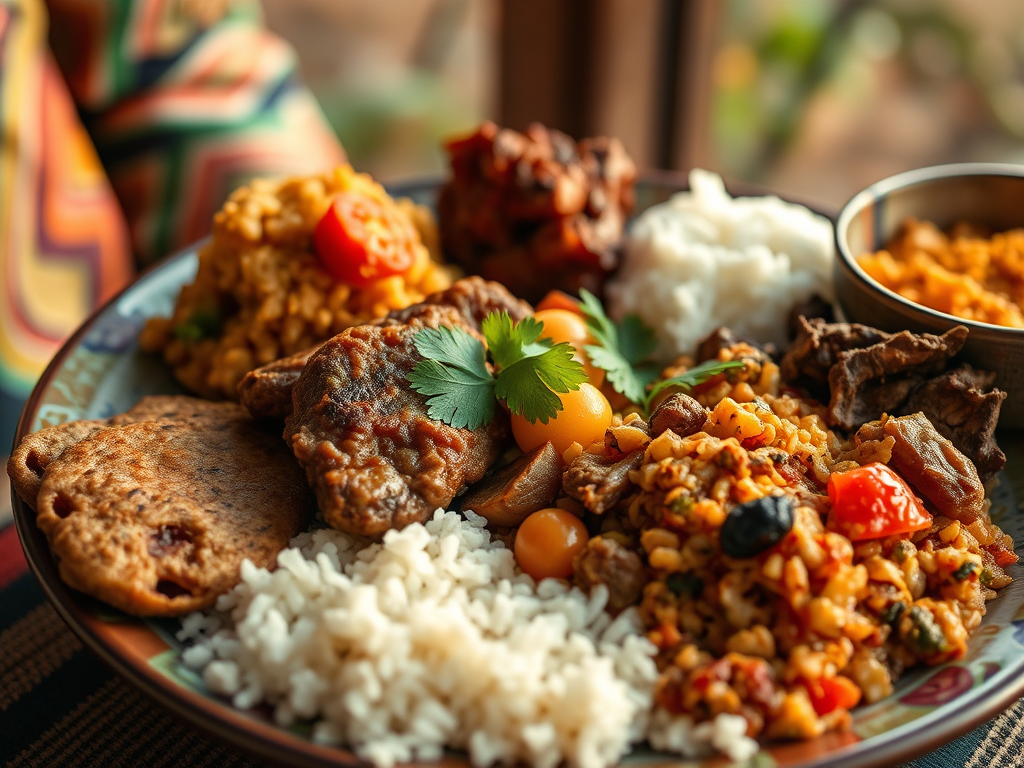
Kenyan cuisine isn’t something you simply eat; it’s something you experience. Every plate tells a story—where we come from, how we live, how we celebrate, and how we adapt. What makes our food culture powerful is how unapologetically authentic it is. We don’t borrow identity; we refine it. From the villages that have preserved centuries-old cooking traditions to the bold Nairobi kitchens rewriting culinary rules, Kenya stands out with a food culture that evolves without losing its backbone. This is one of the few nations where tradition and innovation don’t fight; they coexist, pushing our cuisine forward while keeping our roots firm.
The world may try to imitate African dishes, but Kenya’s flavors carry a depth only shaped by lived history, tribal diversity, and a generation that knows how to blend heritage with modern creativity.
The Backbone: Traditional Kenyan Meals That Define Our Roots
Kenya’s traditional dishes were built on resourcefulness, community, and resilience. They’ve survived because every ingredient carries a purpose.
Ugali: The Constant That Never Fails
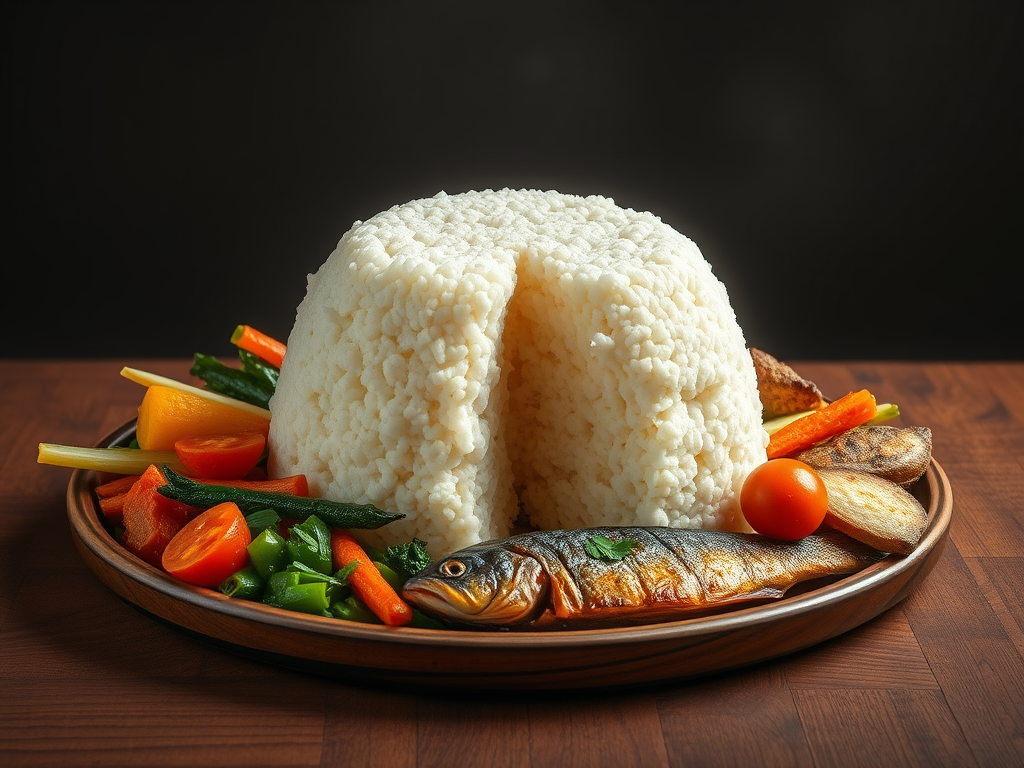
A staple for nearly every community, ugali isn’t just food—it’s a stabilizer. It pairs with everything because it was designed that way, a blank canvas that adapts to sukuma wiki, nyama choma, tilapia, or indigenous vegetables.
Githeri: The Original Kenyan Superfood
Balanced, nutrient-rich, and endlessly adaptable. Githeri has evolved from a simple school meal to a versatile dish that varies across counties—fried, spiced, or transformed into muthokoi.
Irio and Mukimo: Earthy, Honest Comfort
Using mashed potatoes, peas, maize, pumpkin leaves, and more, these Kikuyu classics celebrate the land itself. No elaborate seasoning—just technique and respect for ingredients.
The Coast: A Masterclass in Swahili Flavor
Swahili dishes—biryani, pilau, mahamri, viazi karai—offer centuries of cultural fusion. They boast depth that no overseas imitation can capture because the authenticity lies in the inherited craft, not just a recipe.
The Street Food Culture: Authentic, Raw, and Untouchable
Kenyan street food has its own heartbeat. It’s fast, flavorful, and deeply cultural.
Mutura: The Unofficial National Snack
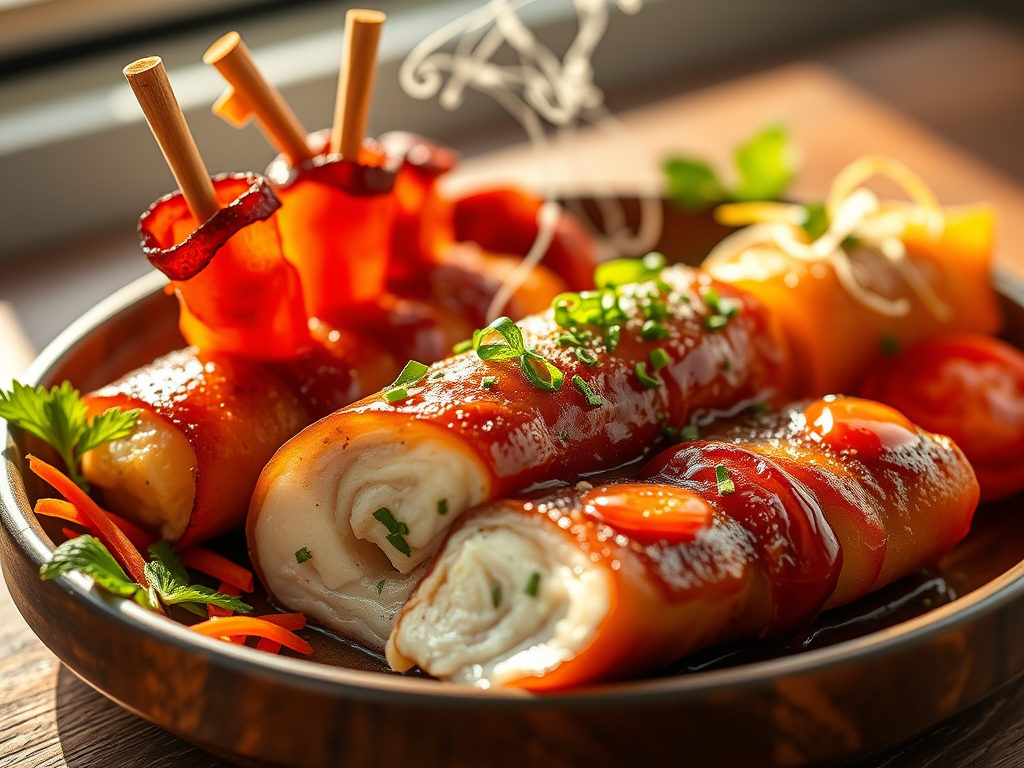
Whether you call it African sausage or simply mutura, it’s more than food—it’s tradition, social chemistry, and that late-evening bond with your local butcher.
Smokies, Smochas and Mayai Pasua
Affordable, simple, and surprisingly addictive. These are Nairobi survival essentials that have become iconic.
Mahindi Choma & Boiled Maize
No dish embodies the Kenyan outdoors better than roasted maize—especially after rain. It’s smoky, rustic, and timeless.
The Modern Kenyan Food Revolution: Tradition Meets Innovation
A new wave of young chefs, culinary entrepreneurs, and content creators is reshaping Kenyan cuisine. Fusion Restaurants and Afro-Contemporary Creativity Nairobi’s food scene has evolved dramatically.
You’ll now find dishes like:
- Ugali chips
- Chapati quesadillas
- Swahili-fusion seafood
- Modernized matoke bowls
- Kenyan-spiced beef tacos
This isn’t Westernization—it’s Kenyan ingenuity taking center stage.
Social Media’s Culinary Evolution
Kenyan home cooks have turned Instagram, TikTok, and YouTube into food innovation labs, reviving indigenous vegetables, improving plating, and giving global visibility to Kenyan heritage dishes.
Why Kenyan Food Stands Apart
Kenyan cuisine is unmatched because it is:
- Built on over 42 tribal traditions
- Authentically rooted, not borrowed
- Reinvented with purpose
- Driven by bold culinary creatives
- Fueled by indigenous ingredients that can’t be replicated elsewhere
- Both humble and powerful
Our food is a reflection of a nation that knows its identity and isn’t afraid to evolve it.
The Future: What’s Next for Kenyan Cuisine?
Expect to see:
- Culinary tourism that highlights regional differences
- Farm-to-table concepts taking root
- Revival of indigenous ingredients
- High-end Swahili dining gaining global attention
- Tech-driven food storytelling
- More Kenyan chefs breaking into international spaces
- The trajectory is upward. The confidence is real.
Kenyan Food Isn’t Just Culture—It’s Power
Kenya’s cuisine stands tall because it carries history, identity, and ambition. We’re one of the few nations where traditional dishes still thrive while modern interpretations flourish at the same time. Our flavors can’t be watered down because they’re built on lived experience—from the rural hearth to the city restaurant, from street grills to fine-dining experiments.
As we continue pushing boundaries, one truth remains: Kenyan food is not trying to compete—it’s setting the pace. And the world is slowly waking up to what we have always known: our culinary culture is unmatched, unforgettable, and evolving with a confidence only Kenyans understand.




 Sure Media Magazine
Leave a comment