
Introduction
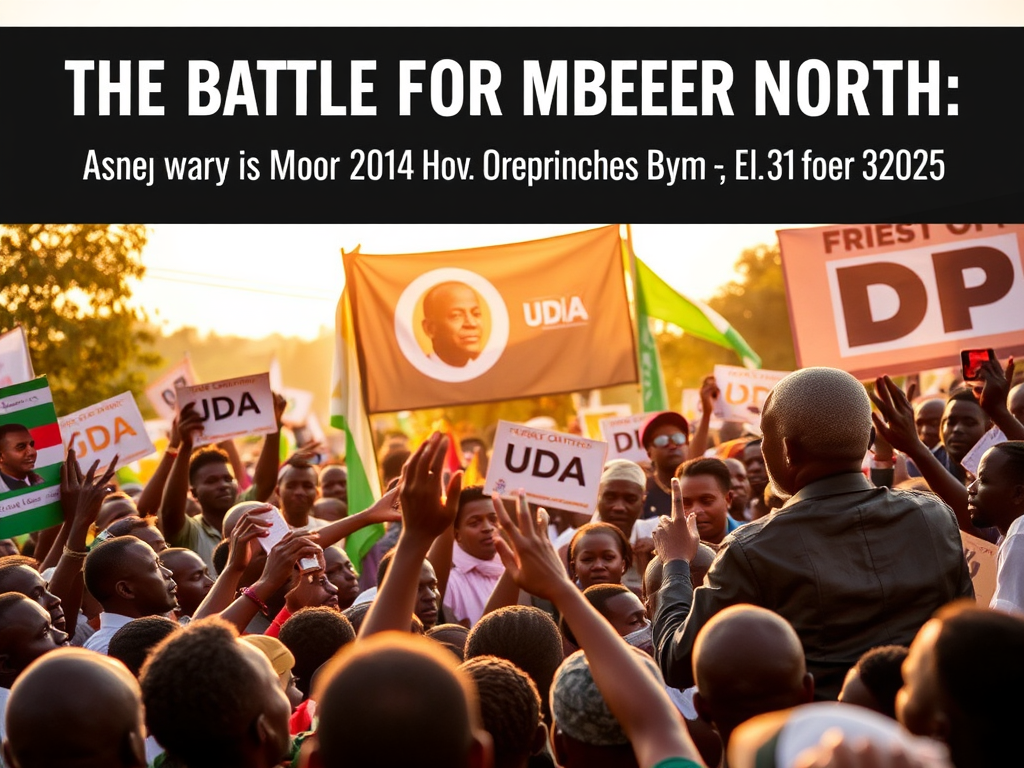
As of November 21, 2025, Mbeere North Constituency in Embu County has transformed into one of Kenya’s hottest political battlegrounds ahead of the November 27 2025, parliamentary by-election. The seat fell vacant in April 2025 when former MP Geoffrey Ruku (elected in 2022 on a Democratic Party ticket) was appointed Cabinet Secretary for Public Service by President William Ruto.
What began as a local contest has escalated into a high-stakes proxy war between Deputy President Kithure Kindiki (leading the Kenya Kwanza/UDA campaign) and his impeached predecessor, former Deputy President Rigathi Gachagua (spearheading the united opposition effort). With both leaders camping in the constituency for weeks, the by-election is widely viewed as an early referendum on President Ruto’s grip on the Mount Kenya region—and a litmus test for opposition unity ahead of 2027.
This article provides a detailed, up-to-date overview of the campaigns, key players, burning issues, and what the outcome could mean for Kenyan politics.
The Political Landscape and Historical Context
Mbeere North, a semi-arid constituency with approximately 55,000 registered voters, has a history of unpredictable voting patterns and clan-based politics. Once known as Siakago Constituency, it has alternated between KANU, NARC, and other parties in the multi-party era.
The 2022 election saw Geoffrey Ruku win on the Democratic Party (DP) ticket amid the broader United Democratic Alliance (UDA) wave in Mount Kenya. Ruku’s Cabinet appointment—replacing Justin Muturi—triggered the by-election and reignited old rivalries, turning a routine mini-poll into a national spectacle.
The Main Contenders
Nine candidates are vying for the seat, but the race is effectively a two-horse contest:
| Leonard “Leo” Wamuthende Muriuki | United Democratic Alliance (UDA) | Deputy President Kithure Kindiki CS Geoffrey Ruku (former MP) Embu Governor Cecily Mbarire President William Ruto (indirectly) | “Continuity and Development” |
| Newton “Karish” Kariuki | Democratic Party (DP) | Former DP Rigathi Gachagua Former CS Justin Muturi Wiper’s Kalonzo Musyoka DAP-K’s Eugene Wamalwa Mithika Linturi, Gitonga Mukunji | “Restore Dignity, Reject Imposition” |
Other candidates (Safina, NVP, etc.) have minimal traction.
Current Campaign Dynamics (As of November 21, 2025)
The UDA/Kenya Kwanza Side – “Development vs. Drama”
Deputy President Kindiki has virtually relocated to Mbeere North, holding daily rallies, door-to-door visits, and even sharing tea at local kiosks to project a “man-of-the-people” image.
Key messages:
- Continuity of projects started by CS Ruku (e.g., Siakago–Kanyuambora Road, Kanyuambora Irrigation Scheme worth Sh250 million, last-mile electricity, modern markets).
- Accusations that opposition offers only “insults, threats, and chest-thumping” while UDA delivers tangible results.
- Positioning Kindiki as the legitimate Mt Kenya kingpin.
CS Ruku has been aggressive on the ground, dismissing opposition claims of rigging as “drama” and urging focus on development.
The Opposition Side – “Dignity and Liberation”
Rigathi Gachagua has been in the constituency since mid-November, conducting marathon door-to-door walks, early-morning market visits, and church services.
Key messages:
- The by-election is a chance to “send a message” against the perceived marginalisation of Mt Kenya East.
- Promises to champion muguka marketing, fair prices for farmers, and an end to “state intimidation.”
- Framing a Karish win as restoring “respect and dignity” to the Embu community.
Supported by a broad opposition coalition (Azimio affiliates, Jubilee remnants), Gachagua has vowed to stay until polling day.
Key Campaign Themes Resonating with Voters
- Infrastructure and Water Poor roads, chronic water scarcity, and unreliable electricity dominate conversations. Both sides promise accelerated projects, but UDA highlights ongoing government funding.
- Muguka Farming and Economic Empowerment Mbeere North, is a major muguka-producing area. Opposition candidates emphasise better marketing and prices; UDA points to national stimulus policies.
- Security and Community Safety Leveraging his Interior CS background, Kindiki stresses community policing and anti-crime measures. Isolated incidents of chaos (e.g., looting at Kanyuambora on November 20) have heightened tensions.
- Youth Employment and SMEs Vocational training, business incubators, and loans feature in both manifestos, targeting the constituency’s youthful demographic.
- Clan Dynamics and “Imposition” Narrative Underlying clan rivalries are being exploited, with opposition accusing UDA of “imposing” a candidate.
Voter Engagement Tactics
- Grassroots Hustle: Both camps are using door-to-door campaigns, night vigils, and roadside meetings.
- Unorthodox Stunts: Kindiki sharing tea; Gachagua’s long walks and bread-sharing moments have gone viral.
- Digital Push: Heavy use of X (Twitter), WhatsApp groups, and TikTok targeting youth.
- Church and Market Forums: Sunday services and market days have become key battlegrounds.
Challenges and Controversies
- Rising Tensions: Mutual accusations of intimidation, planned violence, and bribery. Police have increased their presence.
- Voter Apathy vs. Turnout Fever: While some residents complain campaigns focus on “ego wars” over real issues, turnout is expected to be high due to national attention.
- Campaign Financing Scrutiny: Allegations of state resources being used by UDA; opposition claims of voter bribery.
Latest Opinion Polls (November 2025)
A Mizani Africa poll (released mid-November) showed:
- Leonard Wamuthende (UDA): 44.6%
- Newton Karish (DP/Opposition): 42.4%
- Undecided/Others: ~13%
The race remains statistically tied within the margin of error, making every ward crucial.
Implications for Kenya’s Political Future
The November 27 result will ripple far beyond Mbeere North:
- A UDA win strengthens President Ruto’s hold on Mt Kenya and validates Kindiki’s rising stature.
- An opposition victory (Karish) delivers a major psychological blow to Kenya Kwanza, boosts Gachagua’s comeback narrative, and signals opposition revival, and previews potential 2027 fault lines.
- Either way, it highlights the deepening rift in the once-solid Mount Kenya vote bank.
Conclusion
Six days to polling, Mbeere North is electric with anticipation. Residents are caught between promises of rapid development from the government side and calls for dignity and resistance from the opposition.
Beyond the rallies and rhetoric, voters face a clear choice: reward continuity under the Ruto administration or register a protest against perceived marginalisation. Whichever way the pendulum swings on November 27, one thing is certain—the “little constituency with a big say” will send shockwaves through Kenyan politics, shaping alliances and strategies for the 2027 general election.
The people of Mbeere North hold not just their local future, but a piece of the national political puzzle, in their hands.




 Sure Media Magazine
Leave a comment