

Gut health is at the forefront of wellness in 2025. Your microbiome, trillions of bacteria in your intestines, plays a role in digestion, immunity, mood, and even how your body responds to vaccines. A diverse and balanced microbiome is what leaves you feeling your best.
The best part? You don’t have to break the bank with expensive supplements. Simple and natural habits are what really make the difference. Science-backed data confirms this in 2025.
Here are seven proven ways to support your gut, which you can start today.
1. Include Fermented Foods in Your Daily Diet
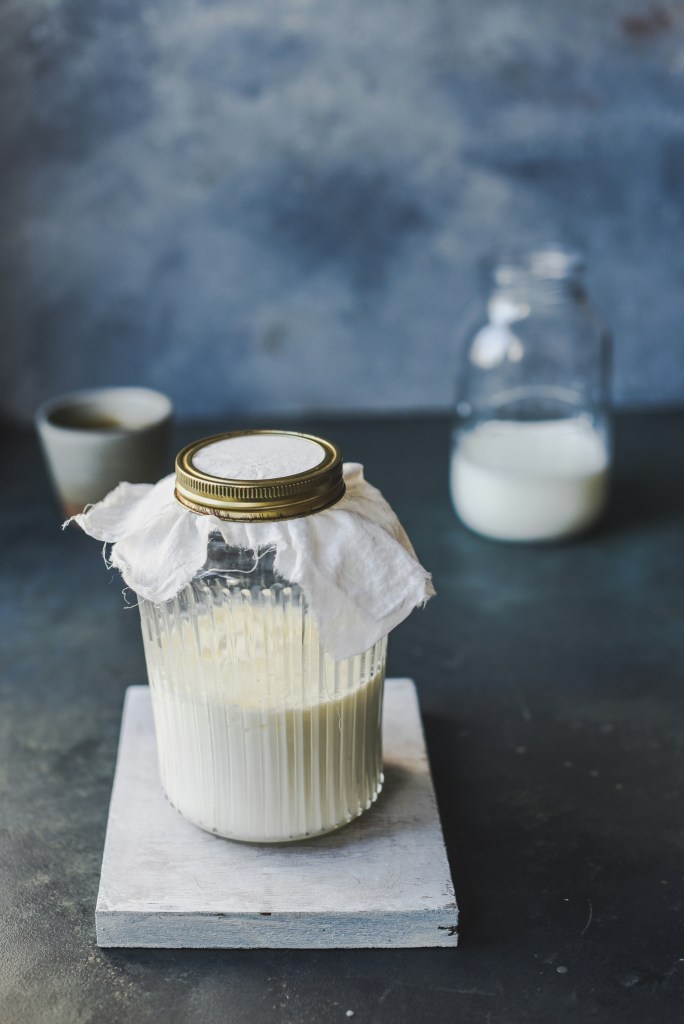
Fermented foods contain live probiotics. These good bacteria improve microbiome diversity and lower inflammation markers.
A groundbreaking Stanford study found that 10 weeks of fermented foods (yogurt, kefir, kimchi, sauerkraut, kombucha, miso) led to a marked increase in microbial diversity. Also in 2025, it is reported that moderate daily intake of these foods supports the immune system and has gut benefits.
Start with one or two servings. Choose unsweetened, live-culture varieties.
2. Focus on Prebiotic Rich Foods
Prebiotics are fibers that feed your existing good bacteria. They, in turn, produce short-chain fatty acids that strengthen the gut wall.
Great sources are garlic, onions, leeks, asparagus, bananas, oats, and beans.
High fiber diets are what we see time and again to have higher microbiome diversity and lower disease risk.
Aim for 25-35 grams of fiber daily. Include prebiotic foods with every meal.

3. Go For 30+ Different Plants Weekly
Plant diversity is number one when it comes to a healthy microbiome.
The American Gut Project reported that people eating 30+ different plants weekly had the most diverse gut microbes. This is still the case in the 2025 data.
Count in herbs, spices, nuts, seeds, legumes, fruits, and vegetables.

4. Drink Plenty of Water
Water helps maintain the gut’s protective mucus lining, while dehydration can upset the microbial balance. Studies suggest that adequate water consumption promotes better bacterial function and helps to reduce inflammation. So, drink 8 to 10 glasses a day (more if you exercise) and you can count herbal teas, too.

5. Move Your Body Regularly
Exercise boosts the diversity of the microbiome and lowers inflammation. In 2025 reviews, 150 minutes of physical activity a week, whether it’s walking, yoga, or weight lifting, was found to alter the composition of gut bacteria positively. It’s about consistency, not intensity, and finding what you like.

6. Manage Stress Every Day
Chronic stress can kill good bacteria and encourage bad ones, and it can even weaken the gut barrier. Meditating, practicing yoga, spending time in nature, or just doing deep breathing exercises helps lower stress hormones and allows your microbes to recover. Even 10 minutes a day can make a difference.

7. Prioritize 7–9 Hours of Quality Sleep
Poor sleep can mess up your microbiome in a single night. Good sleep helps put it back in order. People with diverse microbiomes tend to sleep better. When they get enough sleep, that further diversifies their microbiome, research shows. Keep your sleep schedule regular. Stop using your computer, tablet, or phone an hour before bed

Start Small, Stay Consistent
You don’t have to do all seven at once. Try to integrate two or three of them. It’s easy to build from there. Most people see a significant reduction in bloating, improved mood, and increased energy in a matter of weeks. In 2025, we’re expected to see a significant shift in the gut health landscape towards personalized, food-first solutions – which is exactly what these habits help you achieve. As always, see your doctor if you have ongoing digestive issues. Everyone’s microbiome is different. I guarantee your gut will thank you. Why not start today?




 Sure Media Magazine
Leave a comment