
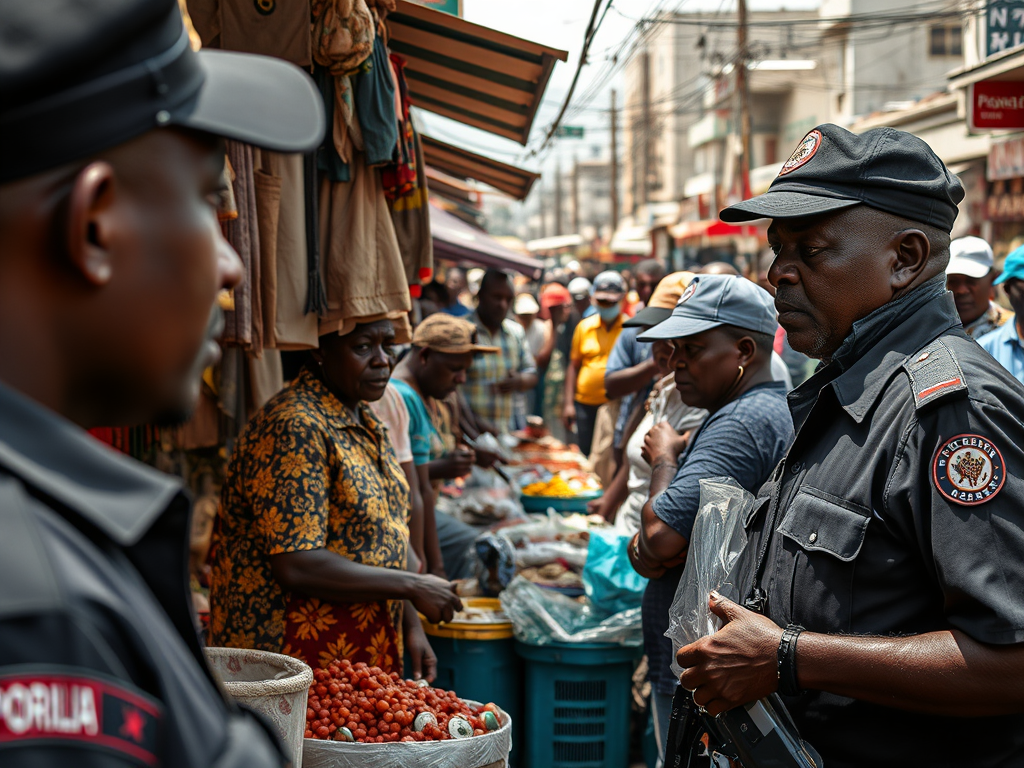
For thousands of Nairobi hawkers, survival is a daily negotiation — not just with customers, but with the very county officers meant to regulate them.Across the CBD and Eastleigh, a quiet war plays out every morning and evening: raids, bribe demands, confiscated goods, and intimidation.Hawkers have long been part of Nairobi’s economic backbone, especially for low-income families who rely on informal trade to pay rent, buy food, and send children to school. But in recent months, the environment has grown more hostile.—Unannounced Raids and Rising HarassmentHawkers report that kanjo officers often appear without warning, rounding up traders, seizing merchandise, and demanding payments on the spot.In areas like Tom Mboya, Moi Avenue, and Ronald Ngala, bribes range from KES 100 to 1,000 per week — or even daily — for “peace,” “space,” or simply to avoid arrest.In Eastleigh, traders describe losing entire stock worth KES 3,000–10,000 in a single raid, pushing families into debt overnight.—Women Face Increased VulnerabilityFemale hawkers report facing unique threats, including:harassment during crackdownsverbal abuse For thousands of Nairobi hawkers, survival is a daily negotiation — not just with customers, but with the very county officers meant to regulate them.
Across the CBD and Eastleigh, a quiet war plays out every morning and evening: raids, bribe demands, confiscated goods, and intimidation.
Hawkers have long been part of Nairobi’s economic backbone, especially for low-income families who rely on informal trade to pay rent, buy food, and send children to school. But in recent months, the environment has grown more hostile.
Unannounced Raids and Rising HarassmenHawkers report that kanjo officers often appear without warning, rounding up traders, seizing merchandise, and demanding payments on the spot.
In areas like Tom Mboya, Moi Avenue, and Ronald Ngala, bribes range from KES 100 to 1,000 per week — or even daily — for “peace,” “space,” or simply to avoid arrest.
Women Face Increased Vulnerability.Female hawkers report facing unique threats, including:harassment during crackdown verbal abusebeing cornered for favors in exchange for protectionthreats of jail if they refuse demandsFor mothers who hawk to support school fees and rent, the pressure becomes unbearable.A Policy Shift That Made Things WorseIn January 2025, the Nairobi County Government announced a ban on hawking across major CBD streets.This forced traders into crowded backstreets where enforcement officers now exploit the chaos.Instead of reducing conflict, the crackdown has increased extortion, as kanjos use the new rules to intimidate or punish anyone who defies relocation.The Human Cost Behind the NoiseBehind every confiscated bag of fruit or stolen bundle of clothes is a real story:A family sleeping hungry.A child missing school because fees went unpaid.A trader too injured to work after resisting arrest.These stories rarely make the news, yet they represent thousands of Nairobi households balancing on the edge of survival.Why This Issue MattersInformal traders are not criminals they are workers.They contribute to the city’s economy, keep goods affordable, and fill gaps in a job market with limited opportunities.Accountability and regulation should protect them, not punish them.As national debates continue on how to reform county enforcement practices, hawkers are still waiting to be seen, heard, and respected.
Conclusion
The struggles of Nairobi’s hawkers reflect larger issues of unemployment, corruption, and inequality.Until policies prioritize humanity and fairness, these quiet battles will continue hidden in plain sight, on every street corner of the city.





 Sure Media Magazine
Leave a comment