
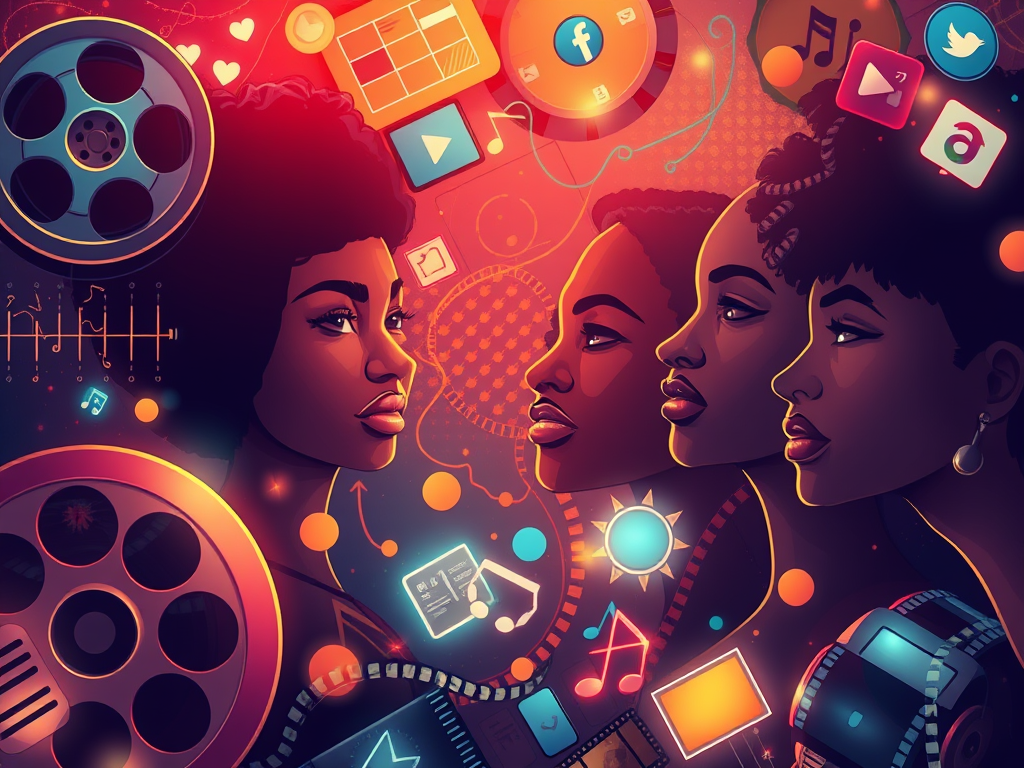
I’ve been thinking a lot about how culture has changed in the last decade or so. It used to unfold slowly, over generations, shaped by a handful of powerful institutions like Hollywood studios, big publishing houses, or major record labels. But now? It’s accelerating at a pace that’s almost dizzying. What starts as a fleeting online moment can ripple out and redefine how we connect, think, and even live. And at the heart of it all is entertainment—not as some side show, but as the driving force keeping us engaged and human in a fragmented world.
This isn’t just a tweak to the old ways; it’s a full-blown transformation.
The Digital Boom That’s Democratizing Culture
Remember when creating culture required gatekeepers? A film needed studio backing, a song needed a label deal, a book needed an agent’s approval. Those days are fading fast. Today, anyone with a phone and an idea can spark something huge. Think about how a simple dance challenge on TikTok, like the Renegade, exploded into a worldwide phenomenon, influencing everything from music videos to ads. Or how artists like Lil Nas X bypassed traditional routes, going viral on social media and landing at the top of the charts without a big machine behind them.
Memes aren’t just jokes anymore—they shape fashion trends, political discourse, and even how generations communicate. Entertainment has merged with everyday life; it’s no longer something we consume passively. It’s the fuel for cultural shifts.
Why Stories Remain Our Anchor in the Chaos
At our core, we’re still the same storytelling creatures we’ve always been, even as tech races ahead. Stories do more than entertain—they bind us. They let us process emotions, escape the daily grind, and feel less isolated. A movie like Everything Everywhere All at Once can upend your worldview with its wild multiverse take on family and regret. A song, say from Taylor Swift’s deeply personal albums, might pull you through a rough patch by making your pain feel shared. Books or even short videos on YouTube can offer that “aha” moment where you think, “Finally, someone gets it.”
In uncertain times—like the post-pandemic world we’re still navigating—stories aren’t luxuries. They’re lifelines, helping us make sense of our fears, hopes, and identities.
Amplifying Voices That Were Once on the Margins
One of the best things about this shift is how it’s elevating voices that were sidelined for far too long. Creators from diverse backgrounds are now at the forefront, reshaping fashion, music, film, and online spaces. Take someone like Ayo Edebiri, who’s bringing fresh perspectives to comedy and acting, or musicians like Bad Bunny blending Latin roots with global pop. These aren’t token additions; they’re fundamentally changing the landscape.
Social movements gain traction through this too—think #BlackLivesMatter or climate activism amplified by viral art and videos. Authenticity rules now, and diversity isn’t a buzzword; it’s the foundation of what’s resonating in modern culture.
Entertainment as Both Mirror and Guide
What we consume doesn’t just pass the time—it reflects and shapes society. Today’s films, shows, and content tackle real issues head-on, sparking conversations about identity, justice, and change. Series like The Bear capture the grit of everyday struggles, while documentaries on platforms like Netflix expose forgotten histories. Even viral shorts can challenge stereotypes or highlight injustices, turning passive viewers into active participants.
In essence, entertainment holds up a mirror to our world, showing us where we’re at, and acts as a teacher, pushing us toward where we could be. It builds communities, from fan groups rallying around a show to global discussions ignited by a single tweet.
Creativity: The Ultimate Human Edge
With AI and algorithms everywhere, creativity stands out as our irreplaceable superpower. Artists today aren’t confined to galleries or stages—they’re innovators and leaders. People like Banksy use street art to provoke thought, or podcasters like Joe Rogan (love him or not) influence millions with unfiltered ideas. These cultural architects dare to experiment, blending tech with human insight to create what’s next.
In this era, creativity isn’t a hobby; it’s a survival skill, essential for navigating and influencing a tech-driven world.
The Bonds That Culture Forges
Beyond the trends and buzz, culture is really about human connection. It reminds us that, despite divisions, we share universal experiences: the thrill of a good laugh, the pull of a catchy beat, the comfort of a familiar story. In a polarized world, things like shared memes or blockbuster events (hello, Taylor Swift’s Eras Tour) bring us together, grounding us and sparking joy.
Why This Evolution Deserves Your Attention
Culture molds our thoughts, entertainment stirs our emotions, and stories define our paths. This rapid change isn’t abstract—it affects how we relate, what we believe, and who we aspire to be. We’re in the midst of a massive cultural pivot, one that could lead to more inclusive, innovative societies if we steer it right.
The Thrilling Part: You’re Part of It
Here’s what keeps me optimistic: you’re not a passive spectator. That doodle in your notes app, the rant you tweet, the video you edit on your phone—it all adds up. I’ve dabbled in writing myself, and it’s wild how one post can spark a conversation that ripples out. We’re co-creating this era, flaws and all. The future’s unfolding, and honestly, I’m stoked to see what we build next.




 Sure Media Magazine
Leave a comment