

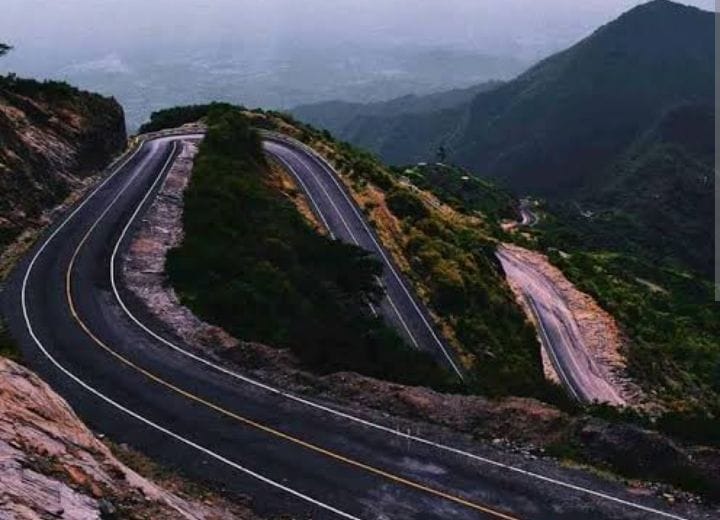
Anyone who has traveled often on the Kitale–Lodwar highway knows that there is one place where even the most confident driver falls silent: the Kamatira Slope. Long before you reach the descent, the whispers start. “Shika brake mapema.” “Usikimbie hapa.” “Hapa ndipo watu wengi wamepoteza maisha.” It is a slope that commands respect, fear, and caution all at once.
But behind the warnings and hushed conversations lies something far more painful: a long history of tragic accidents, families shattered, goods lost, and drivers who vanish into the statistics of road fatalities. For many communities in Trans Nzoia, West Pokot, and Turkana, Kamatira is not just a place on the map. It is a wound that keeps reopening.
This is the story of that slope—why it has become one of the deadliest stretches in northern Kenya, the human cost behind the headlines, and the urgent steps that must be taken to stop the losses.
The Beauty and the Danger
At first glance, Kamatira is stunning. The hills roll gracefully, the view of the escarpment stretches wide, and on a clear day, the sun lights the valley like a painting. But that gentle beauty hides a harsh truth: the slope is dangerously steep, with sharp curves that challenge even the most experienced drivers.
1. A Descent That Even Pros Fear
The slope drops quickly, and the corners are blind. A driver descending at the wrong speed has only a few seconds to react—and unfortunately, that is rarely enough. For truck drivers, the slope is an even greater threat. The weight of their cargo pushes them downhill faster than expected. Brakes heat up. Control becomes difficult. And once you lose momentum at Kamatira, you rarely get it back.
2. Heavy Trucks and Brake Failure:
A Deadly Combination The Kitale–Lodwar road is a lifeline for northern Kenya. Trucks ferry goods, fuel, relief supplies, and building materials daily. Many of these trucks are heavy, overloaded, or worn down from long journeys. When such a vehicle begins the descent at Kamatira, especially without proper braking systems, the risk of brake failure becomes dangerously high.
Truck drivers talk about the slope with the same seriousness as a soldier talks about battlefields. Some say they begin praying as soon as they reach the warning signs. Others say they reduce gears even before seeing the slope itself—because they have seen too many colleagues fail to make it down.
3. Poor Signage and Inadequate Warnings
One of the biggest tragedies of Kamatira is that many drivers do not realize how dangerous it is until it’s too late. The warnings are too few, too small, or too faded to be effective. At night or during heavy rain, they are almost invisible. A driver unfamiliar with the region can find themselves on the slope before their brain has fully processed the danger ahead.
4. A Road Wearing Out Faster
Than It Is Repaired Years of heavy traffic have eaten into the road surface, leaving cracks, uneven patches, and narrow shoulders. When a vehicle swerves to avoid a pothole or tries to regain control on a slippery patch of road, disaster can come swiftly. Many drivers say the slope “punishes” even small mistakes.
The Human Stories Behind the Statistics
Numbers alone don’t capture the full weight of what happens at Kamatira. Every accident leaves behind a trail of grief. In villages across West Pokot and Trans Nzoia, mothers speak of sons who never returned from the road. Wives remember last phone calls from husbands who promised to arrive before nightfall. Children grow up hearing the story of the day a father’s truck “iliteleza Kamatira.”
Locals remember each tragedy vividly:
- The overturned fuel tankers that caught fire and lit up the night sky.
- Buses crushed by runaway trucks.
- Goods strewn across the road as rescuers worked desperately to pull survivors from twisted metal.
- Bodies covered gently with jackets by fellow drivers until help arrived.
For long-distance drivers, Kamatira is a ghost whose presence is always felt. For the families left behind, it is a wound that may never fully heal.
A Problem We Can Fix — If We Choose To

The painful truth is that the tragedies at Kamatira are not accidents of fate. They are signs of problems that can be solved—if the right steps are taken with urgency. Other countries with slopes just as steep have reduced fatal accidents through infrastructure, training, and strong regulation. Kenya can do the same.
1. Emergency Escape Ramps: A Life-Saving Necessity
Escape ramps—runaway truck lanes filled with soft gravel—can stop a truck that has lost its brakes. Countries like Ethiopia, South Africa, and Rwanda have used them successfully. Kamatira urgently needs at least one or two such ramps. Many drivers say that if escape ramps existed, dozens of lives would have been saved already.
2. Highly Visible Road Signs
Big, reflective warning signs should begin kilometers before the slope, reminding drivers to slow down, check brakes, and shift to low gears. The goal is to make drivers aware early, not when they are already descending.
3. Introduce Rumble Strips and Speed-Control Measures
Rumble strips, raised markers, or controlled bumps before the slope can force drivers to reduce speed. This alone could significantly lower the severity of accidents.
4. Mandatory Brake and Weight Checks
Trucks heading toward the slope should be checked regularly. A weighbridge or inspection center near Kapenguria or Makutano would prevent overloaded or poorly maintained vehicles from attempting the descent.
5. Improve the Road Structure
Widening the road, repairing damaged sections, reinforcing guardrails, and improving drainage would make the slope safer. Road engineering is not just about convenience—it saves lives.
6. Train Drivers on Handling Steep Slopes
Transport companies should invest in training drivers on how to approach and descend steep terrain safely. Knowledge reduces panic, and informed drivers make better decisions under pressure.
Conclusion: The Time to Act Is Now
Kamatira has claimed too many lives already. The stories of loss echo across counties, families, and generations. But this does not have to continue. The tools to fix the problem exist. The solutions are clear. What remains is the will to act.
Every driver who descends Kamatira should do so without fear. Every mother should expect her son to return home. Every passenger should reach their destination safely.
It is time we turn Kamatira from a symbol of danger into a testament of progress. Because no stretch of road should cost this many lives.
And no family should have to mourn because safety was delayed.





 Sure Media Magazine
Leave a comment