
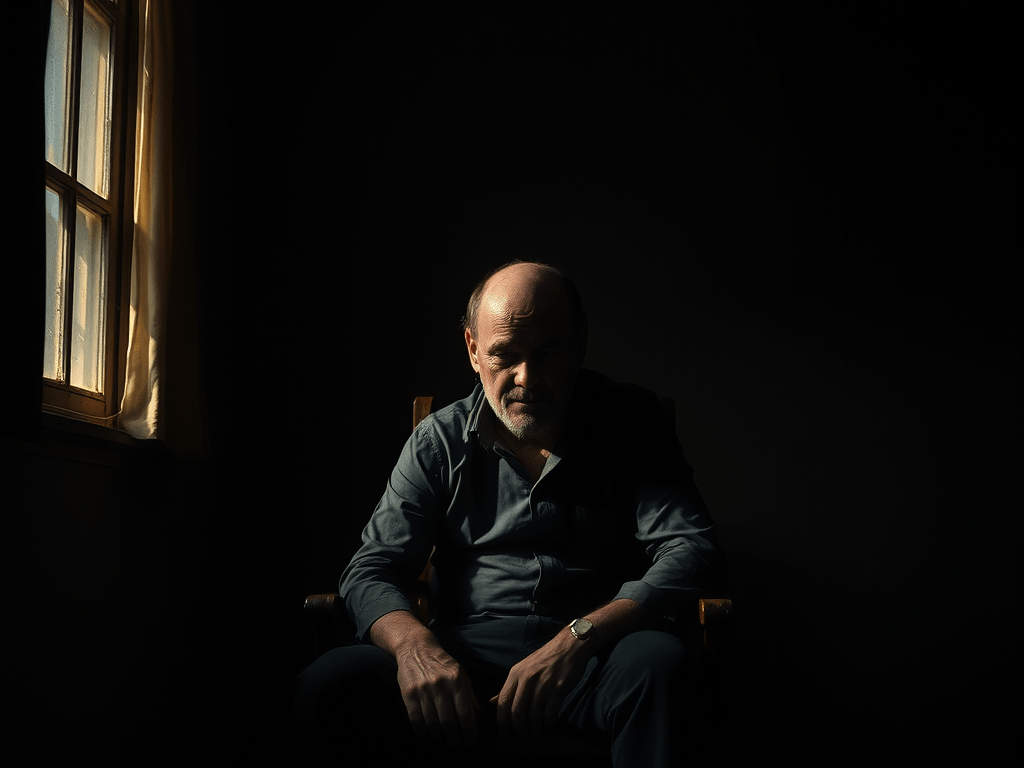
In a world that praises the stoic provider, there’s a hidden cost. It applauds the unflinching protector. It values the man who “has it all together.” No one talks about this. Good men—the ones who show up, shoulder the load, and rarely complain—are often carrying invisible wounds. They suffer in silence. It’s not because they don’t feel pain. It’s because they’ve been taught that admitting it makes them less of a man.
This isn’t about weakness. It’s about a cultural script that equates masculinity with emotional suppression—and it’s taking a devastating toll.
The Silent Epidemic: Men’s Mental Health in Crisis
Men die by suicide at rates nearly four times higher than women in the United States. Globally, the gap is more than double. Yet men are far less likely to seek help. Why? Because from childhood, boys absorb messages like “Man up,” “Don’t cry,” and “Be the rock.” These phrases, meant to build resilience, often create prisons of isolation instead.
The result? Emotional suppression becomes the default setting. Stress, grief, anxiety, and depression don’t vanish—they fester. Over time, they erupt as anger, addiction, burnout, or worse.
Four Reasons Good Men Stay Silent
- The Fear of Being Seen as Weak Vulnerability is still treated as the opposite of masculinity in too many circles. A man who admits he’s struggling risks being called “soft,” “dramatic,” or worse.
- The Protector Myth Many men believe their job is to absorb life’s blows so their loved ones don’t have to. Asking for help feels like failing at the one role they’ve been told defines them.
- No Safe Spaces Women are often socialized to lean on friends and therapy; men rarely are. Opening up to buddies can feel like breaking an unspoken code, and many fear burdening their partners.
- Strength Misinterpreted as Silence Society rewards the man who never complains. The one who speaks his pain? He’s often dismissed. So silence becomes the path of least resistance—even when it’s killing him inside.
This Isn’t Anti-Women—It’s Pro-Connection
Good women aren’t the enemy here. Most want to help but don’t always know how. A man’s withdrawal can feel like rejection or coldness. In reality, it’s a learned coping mechanism from years of “toughen up.”
The goal isn’t blame—it’s understanding. When women grasp why he hides his pain, they can become the safest person he’s ever had.
How to Create Space for Him to Open Up
- Listen without fixing → Men often need to vent before they want solutions. A simple “I’m here—that sounds really hard” can mean more than advice.
- Normalize emotions → Casually share your own feelings first. When he sees vulnerability isn’t punished, he’s more likely to risk it.
- Celebrate small disclosures → Thank him when he shares, even if it’s minor. Positive reinforcement works.
- Suggest side-by-side activities → Men often open up more easily while doing something together. This could include walking, driving, or fixing things. It’s usually better than engaging in intense face-to-face talks.
- Encourage professional help without shame → Frame therapy as strength training for the mind. Even the strongest guys need a coach sometimes.
The Real Strength: Vulnerability
Research shows that men who embrace vulnerability experience better mental health, stronger relationships, and greater life satisfaction. True strength isn’t hiding pain—it’s having the courage to share it with someone safe.
If you’re a man reading this: Your feelings are valid. You don’t have to carry everything alone.
If you’re a woman who loves a good man: He’s probably hurting more than he lets on. Your understanding could be the first safe place he’s ever had.
The silence doesn’t have to win. Real strength starts with one honest conversation.





 Sure Media Magazine
Leave a comment